
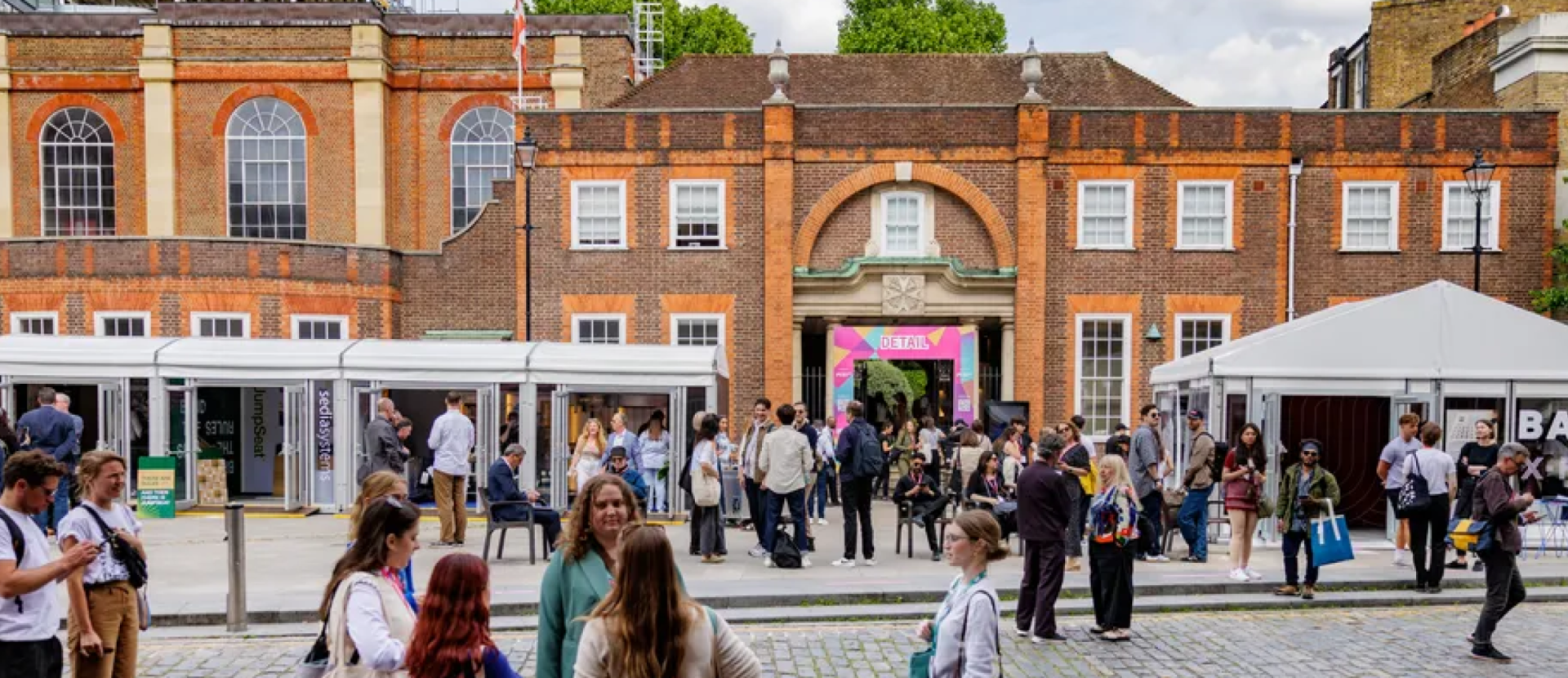
Clerkenwell Design Week 2025. We went, we walked (a lot), and we brought back more than just pictures of beautiful furniture. Across three days of installations, talks and launches, we distilled key insights to guide client conversations, shape design strategy, and inform project decisions.
Design for Circularity, Not Just Sustainability
The conversation around sustainability has matured. It’s no longer enough to specify “sustainable” and move on. This year, circular design principles moved from aspiration to expectation. From materials and manufacturing to logistics and end-of-life planning, the focus has shifted to designing with the entire product lifecycle in mind.
Rebecca Earley, Professor of Circular Design Futures at UAL, stressed the need to move beyond sustainability to regenerative, circular thinking. Her talk at Camira Fabrics explored the complexity of textile recyclability and the urgent need to design for longevity, reuse, and renewal.
It poses critical questions for workplace design: Can this piece be repaired? Renewed? Remanufactured? Does its end-of-life pathway support reuse, not just recycling?
What it means for your next project:
- Expect increasing demand for transparency around material origins, recyclability, and carbon footprint – especially from clients with ESG priorities.
- Look for suppliers designing with circularity in mind: Andreu World’s fully recyclable Bolete collection, Senator’s re:work and Sustain initiatives, and Flokk’s “Every. Piece. Counts” installation all reflect a shift toward smart material use, local sourcing, and easy disassembly.
- Build lifecycle strategies into early project planning including repairability, take-back schemes, and remanufacture potential.
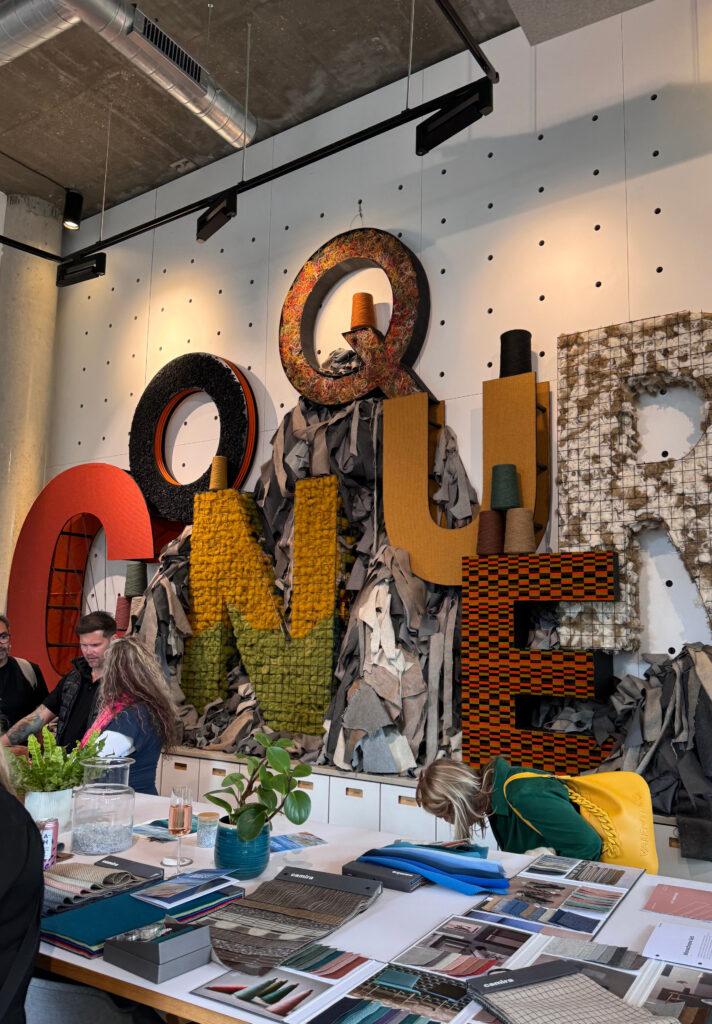
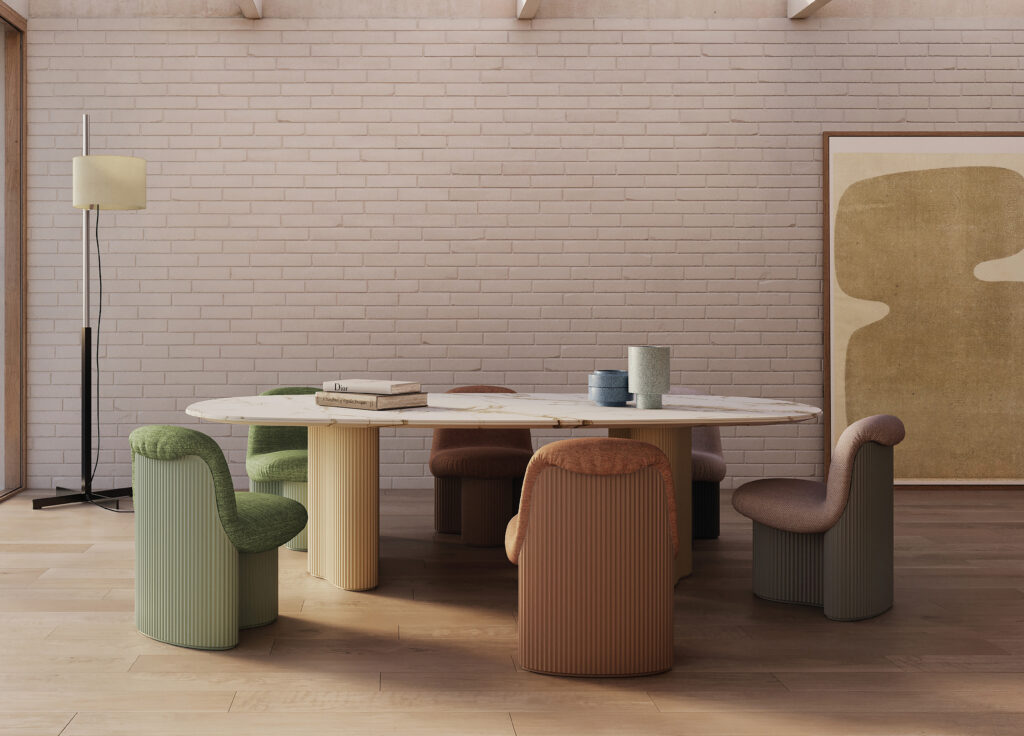
Conquer installation by Camira Fabrics (left). Andreu World’s Bolete Lounge BIO collection designed for the circular economy (right).
It poses critical questions for workplace design:
Can this piece be repaired? Renewed? Remanufactured? Does its end-of-life pathway support reuse, not just recycling?
The message was clear: circularity is no longer a niche selling point – it’s a necessary part of responsible specification.
This mindset also encourages earlier conversations around furniture strategy. It’s not just about what’s needed now, but how the same assets can adapt, remain useful over time, and contribute to the environment.
Furniture as an Experience, Not Just Equipment
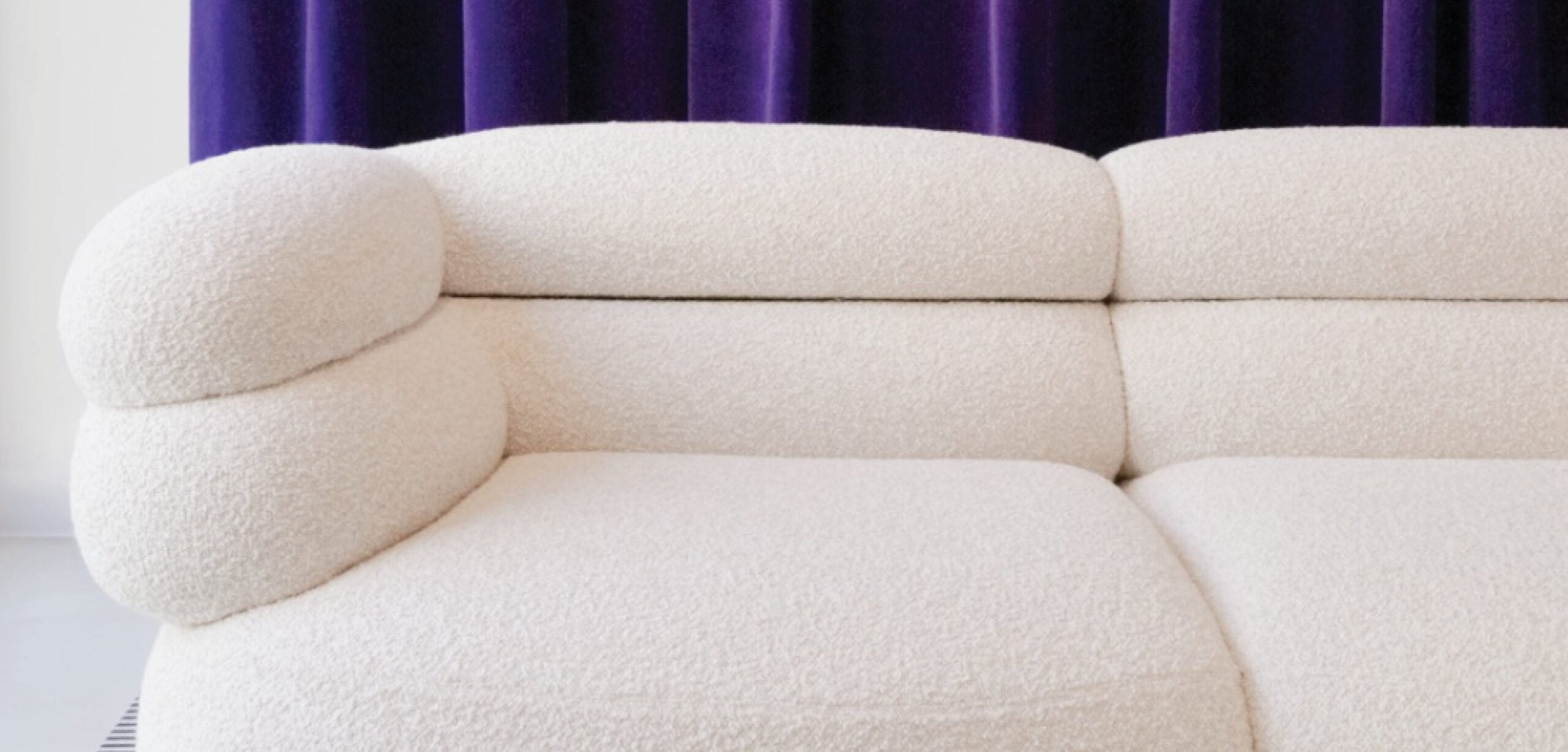
This year, the focus shifted from product to experience. Furniture is becoming more emotional. Sculptural sofas, textured surfaces, materials with story and soul, all pointing to a workplace that feels less “office” and more human.
What it means for your project:
- Sculptural and soft-edged furniture, such as Knoll’s Biboni Sofa, points to a growing desire for relaxed, welcoming spaces that encourage informal interaction.
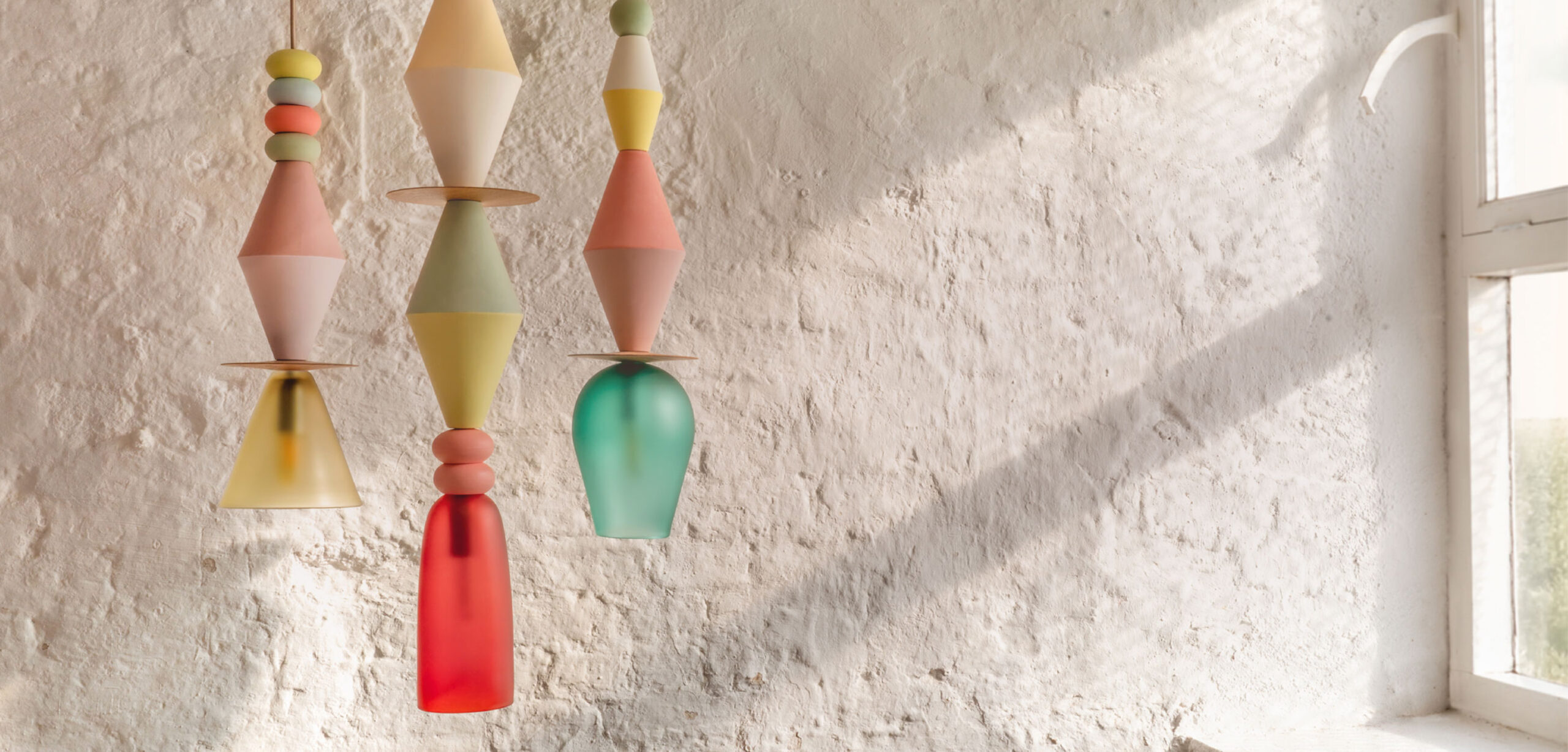
- Lighting was a notable theme, with designs from Studio Haran, Curiousa, and Nuflow Design positioning it as both a visual anchor and a form of spatial storytelling – elevating lighting from utility to art.
- As employee experience remains high on the agenda, sensory design from acoustic control to natural materials will influence product selection and space planning.
“Furniture has evolved beyond pure functionality.
Lucy Robertson, Account Manager
Today’s pieces are sculptural, soft, and emotionally resonant, designed to elevate a space and invite conversation.”
“Lighting had evolved beyond function into art.
It’s being used to soften the workplace and create an atmosphere that feels inviting, and distinctly human.”
Jo Harvey, Sales Manager
Influential Technology from AI to Integrations
Workplace tech continues to evolve – becoming smarter, more seamless, and far more intuitive.
In his “Future of Work and Place Enabled by AI” talk, Oliver Baxter emphasised one key message: adapt to AI or fall behind. While AI is still in its early stages, with much learning and development ahead before we see significant impact across the industry, it’s already making waves when it comes to productivity. Tools are streamlining tasks like floorplanning, heatmapping and visualisation.
But what AI can’t replicate is human creativity, reinforcing the importance of people-led design in an increasingly tech-enabled world.
What it means for your project:
- Integrated tech is evolving. Workbench showcased moving power inlays and retractable screens and Boss added HVAC integration into pod systems. These solutions simplify design coordination while enhancing user experience.
- Enabling or investigating AI tools that can offer value in early-stage design work, visualisation and performance analysis.
- Think beyond tech for tech’s sake. Focus on solutions that enhance wellbeing (temperature, acoustics, lighting) and user autonomy (easy control, intuitive features).
The design process itself is evolving. Keeping pace with technology means staying ahead of client expectations.
“Tech engineered to feel seamless from elevated cable management to retractable screens.
Details like these go a long way where high end design if a priority.”
Ethan Jones, Sales Associate
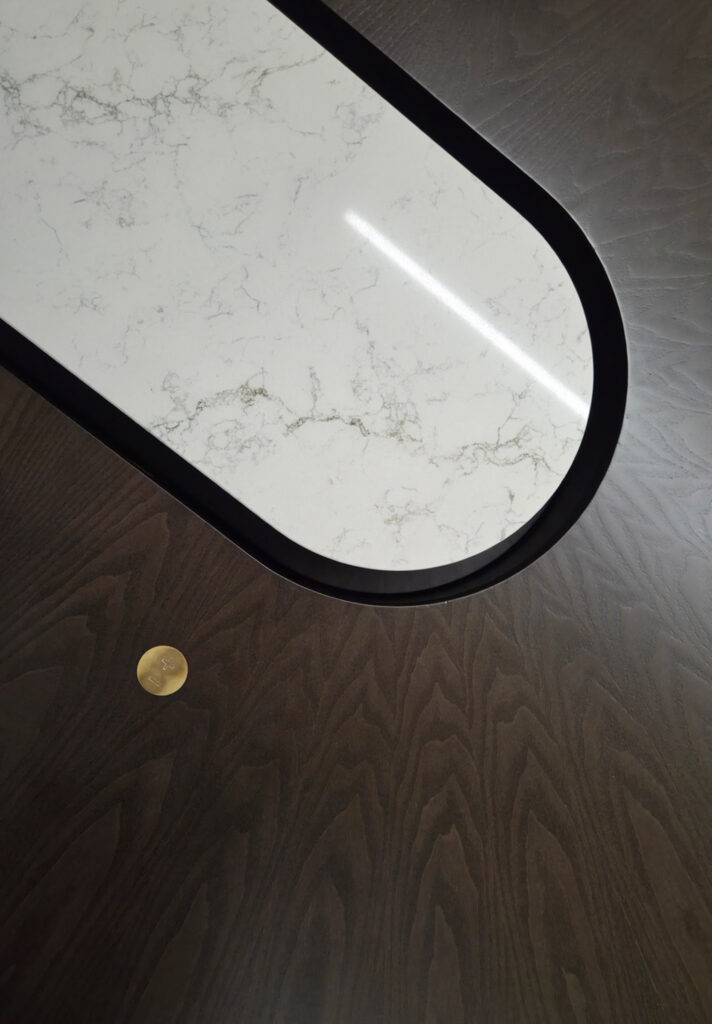
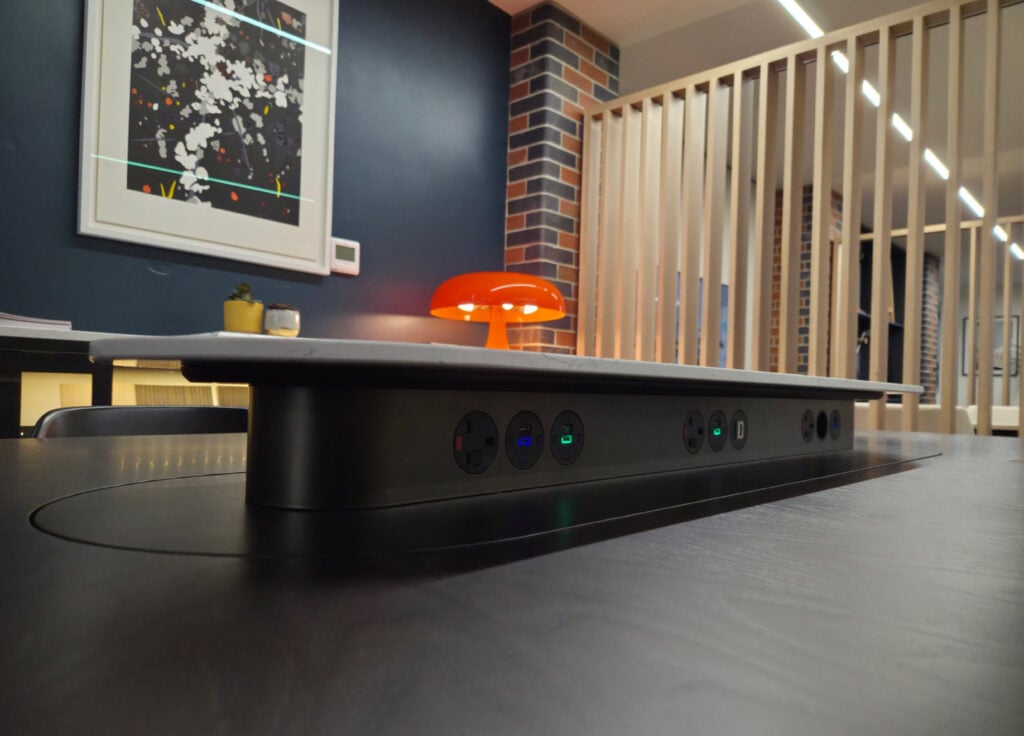
Horizon table, Workbench
Modularity is the New Bespoke
Flexibility has become a hallmark of effective workplace design, but modularity is now delivering more than just rearrangeable components. What stood out this year was the level of thought behind it – modular systems that feel bespoke, without the time or cost implications
What it means for your project:
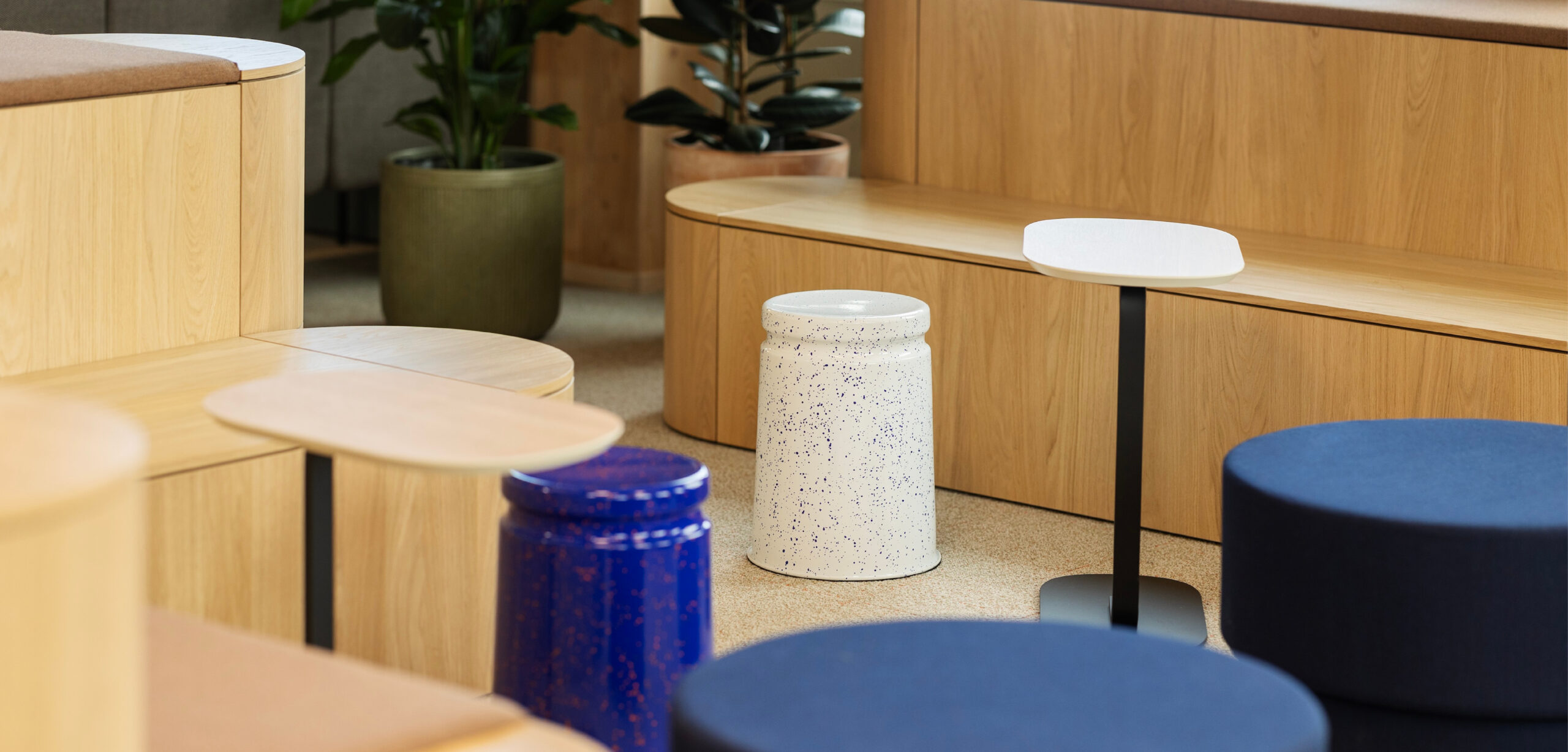
- Products like Icons of Denmark’s expanded BLOX range, Spacestor’s Aeonica configurable dividers, and modular storage from Modus reflect this shift, offering clients more design freedom with practical benefits.
- This kind of flexibility also supports sustainable strategies, enabling future reconfiguration without waste or full replacement.
- Designers can specify with confidence knowing modular systems can evolve with client needs, reducing long-term costs and complexity.
Well-executed modularity supports spatial agility, commercial efficiency and sustainable outcomes.
“It’s not just about flexibility.
It’s about giving clients confidence that their space can evolve.”
Andi George, Sales Manager
Hybrid is Here to Stay. So Let’s Design Like It.
The hybrid workplace isn’t a temporary compromise – it’s the new normal. Physical workspaces need to work harder to support the full spectrum of working patterns, supporting fluidity, flexibility and experience.
What it means for your project:
- Meeting spaces are evolving. With 70% of meetings now hybrid or digital, AV integrations, acoustics and comfort from the outset need to be considered, not as add-ons.
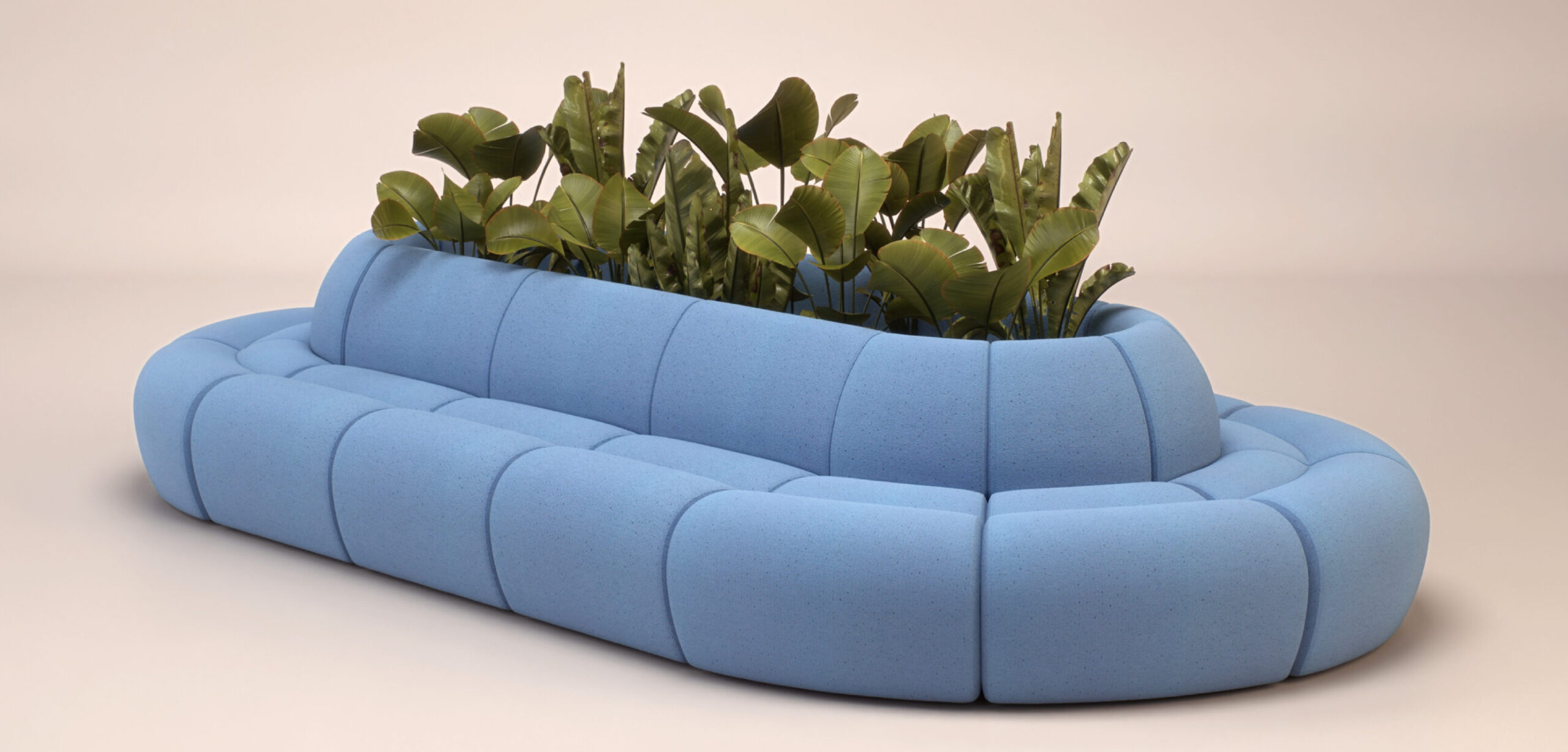
- Furniture is expected to flex with teams. Icons of Denmark’s new BLOX system, Frovi’s Big Softie, and Spacestor’s dividers all offer ways to build-in adaptability for flexibility and growth without reinventing floorplans.
For clients, adaptability is becoming a priority and the workplace must respond accordingly.
“The Big Softie is perfect for hybrid spaces that require flexibility and adaptability. It’s easy to plan around and works in a variery of settings.”
Ashleigh Capes, Sales Support
Final Thought: Every Detail Counts
From the installations exploring regenerative design to the technical innovations embedded in everyday products, CDW 2025 underscored a central message: workplace design today requires both creativity and rigour. The materials we specify, the stories we tell, the choices we make in design, furniture and office planning all shape not just the workplace, but the world we work in.
If you’d like to explore how these trends translate into your next project, we’d love to chat. Whether it’s modular lounge settings, future-proof pods or a rethink on reuse, we’re here to help curate smarter, more sustainable spaces.