
Every person experiences the workplace differently. For Tsunami Axis, understanding those differences is an important part of selecting and specifying furniture that supports the people using each space. As organisations place greater emphasis on wellbeing, inclusivity and employee experience, neuroinclusive design is becoming an increasingly important consideration within workplace strategy and furniture specification.
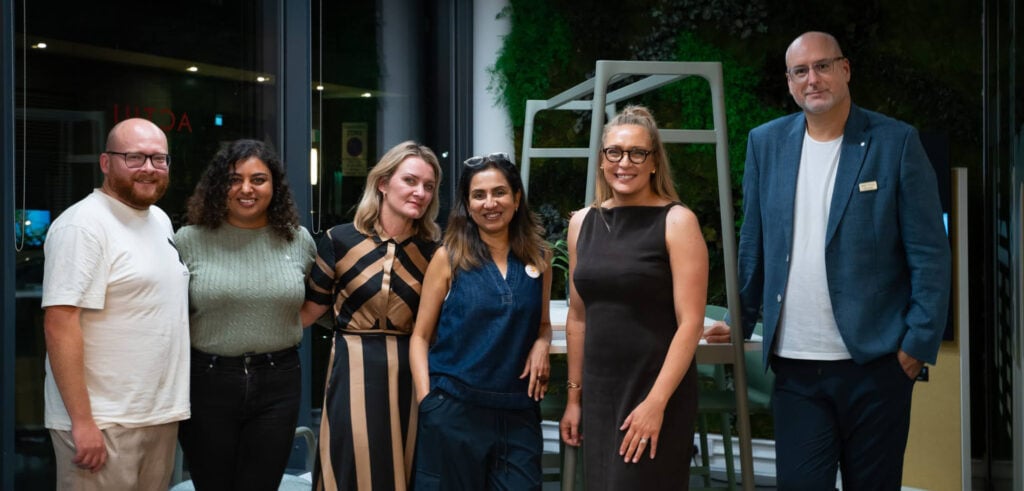
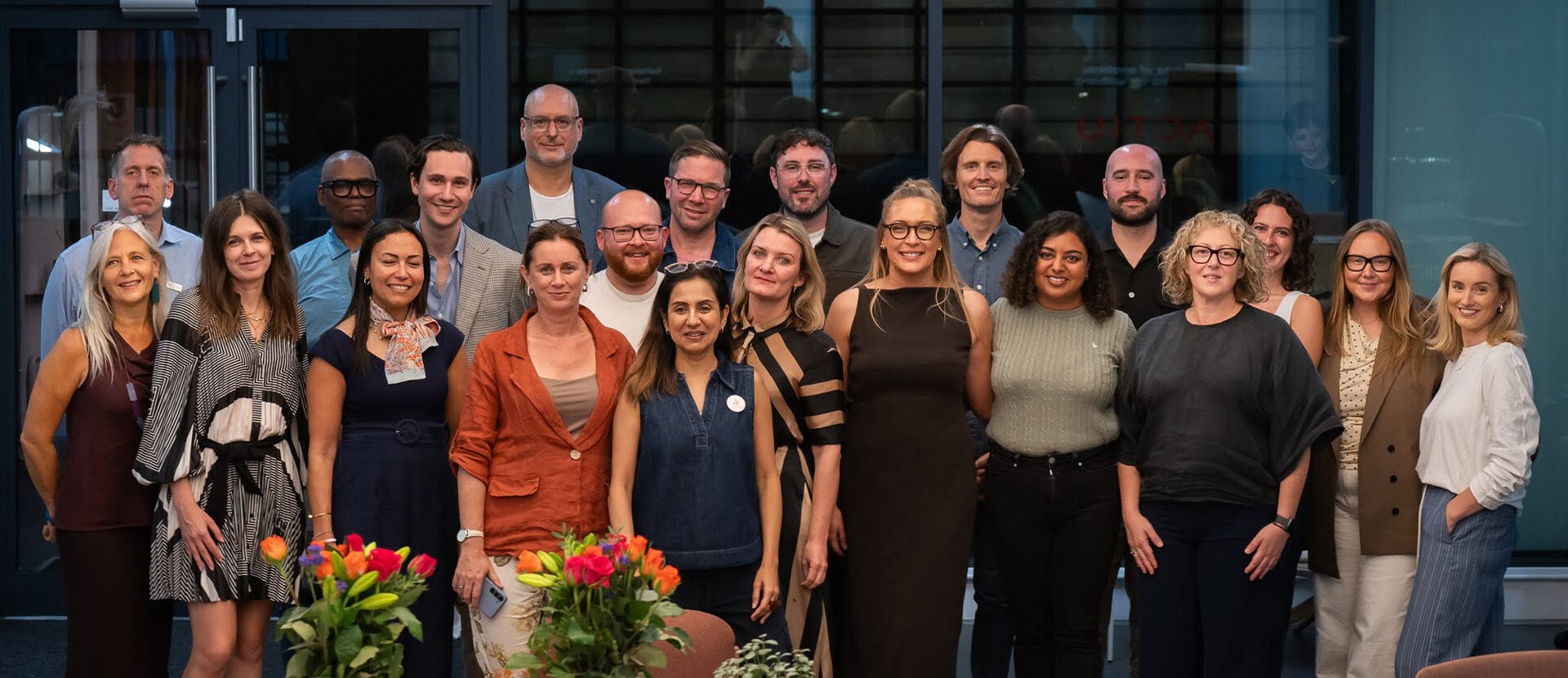
Our Furniture Consultant, Riddhi Lodhia, recently joined Katie Bowes, Head of Design, and Kieron Heffernan, Designer, from Axis Environments, at a neuroinclusive design workshop hosted by WOD – Women in Office Design in collaboration with the University of Cambridge.
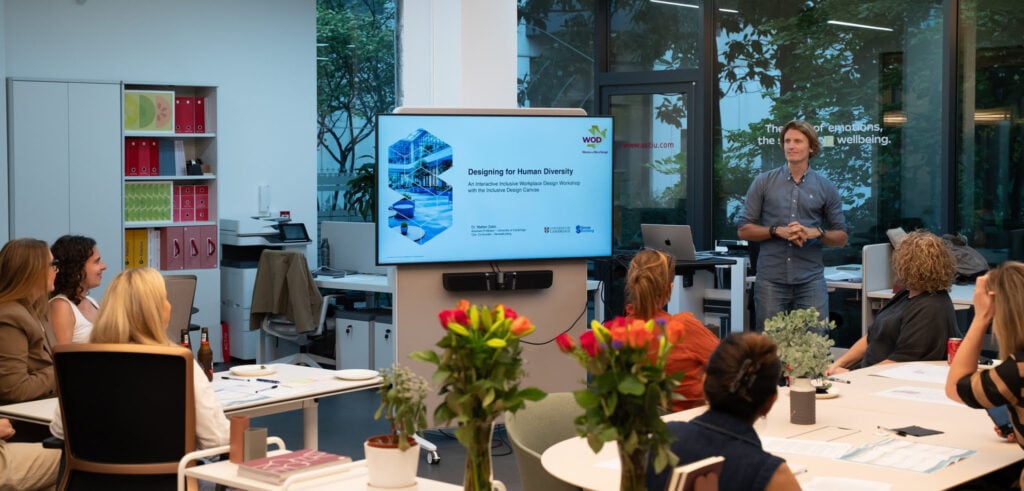
Led by Matteo Zallio, Assistant Professor in Design at the University’s Department of Architecture and lead of the Centre for Inclusive Design Futures, the workshop explored emerging research into how people experience the built environment through physical, sensory and cognitive perspectives. Participants included design teams from The Torrington Group (Tsunami Axis and Axis Environments), Gensler, Basha-Franklin, MF Design Studio, and tp bennett.
Understanding Needs Before Selecting Solutions
Using the University of Cambridge’s Inclusive Design Canvas, participants explored user personas, workplace journeys and behavioural patterns. Applying the framework to real workplace scenarios encouraged teams to question assumptions and consider whose needs were being addressed, and whose might be overlooked.
Through collaborative exercises, participants developed and presented design responses informed by these different experiences.
Reflecting on the session, Riddhi shared:
“It’s not often you get the chance to step back and think about the process between the research and the final solution, taking time to understand the actual problem and what the user needs. It was great to hear the different insights and perspectives from experts across the industry.”


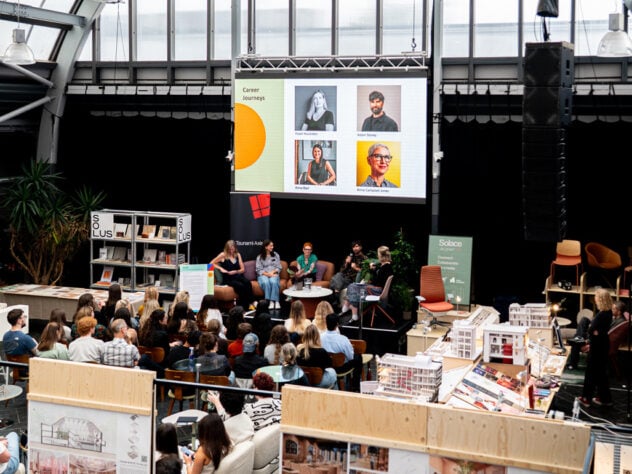
Riddhi Lodhia, Furniture Consultant at Tsunami Axis (right), presenting group findings from the workshop.
Providing Choice Through Furniture
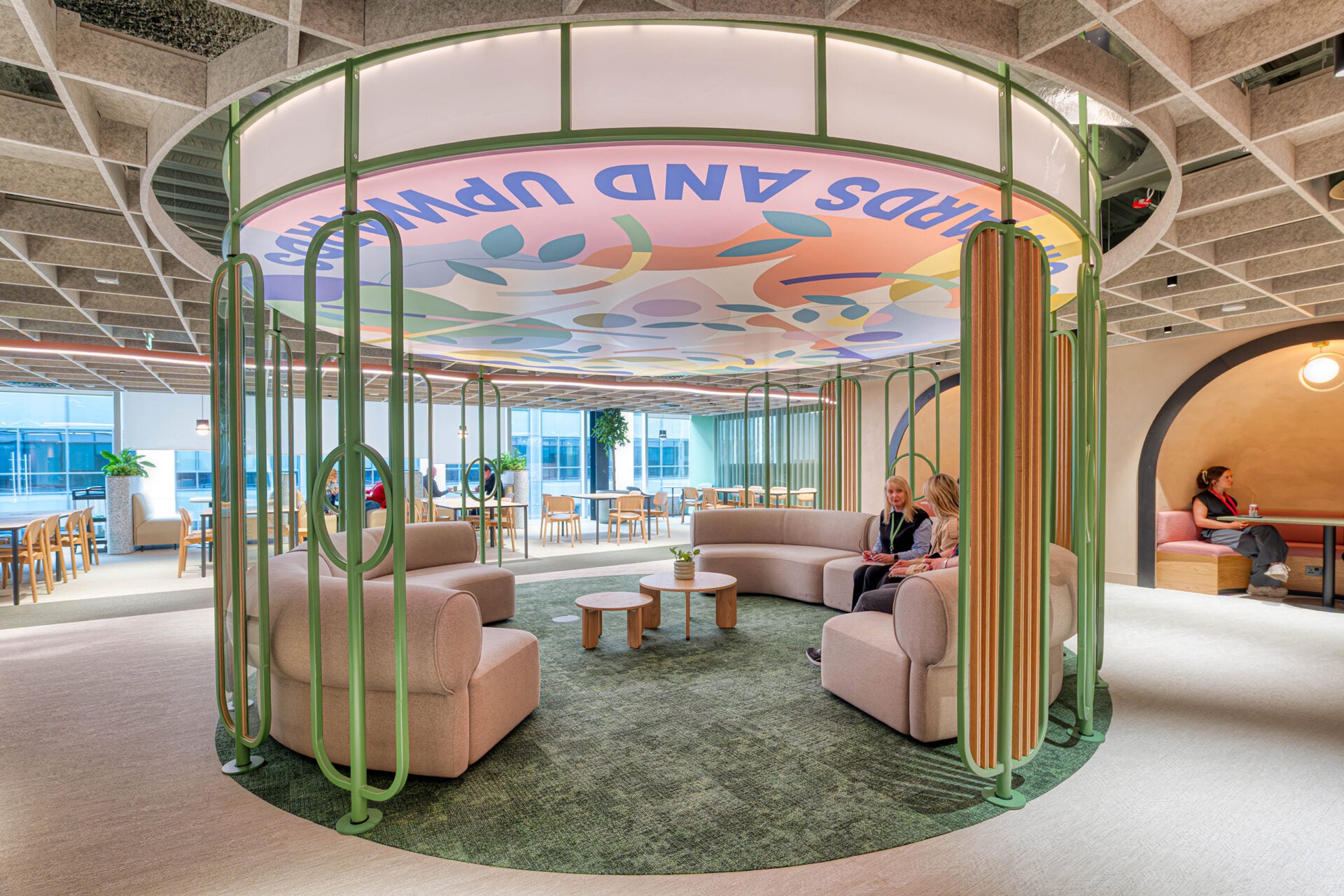
For furniture specification, this reinforces the value of offering a range of settings that support different activities and preferences. Enclosed spaces for focused work, comfortable areas for informal conversation and adjustable workstations can give people greater choice in how they use the workplace.
Furniture also contributes to the sensory experience of a space. Upholstery, finishes, colour and the arrangement of settings can influence comfort, acoustics and how easily people navigate their surroundings. Considering these elements alongside the wider design brief helps make informed decisions about how furniture will support users in practice.
Learning Beyond Installation
The workshop also highlighted the importance of post occupancy evaluation and regular user feedback. Understanding how people use a workplace, which settings they choose and where they encounter difficulties helps identify opportunities for adjustment as needs change.
For Tsunami Axis, the session reinforced the value of bringing these conversations into the furniture process early. Working with clients and design teams to understand users’ needs provides a stronger foundation for specification, helping create workplaces that offer choice, comfort and accessibility.
Thank you to WOD and the University of Cambridge for bringing the industry together to explore a more informed approach to inclusive workplace design.