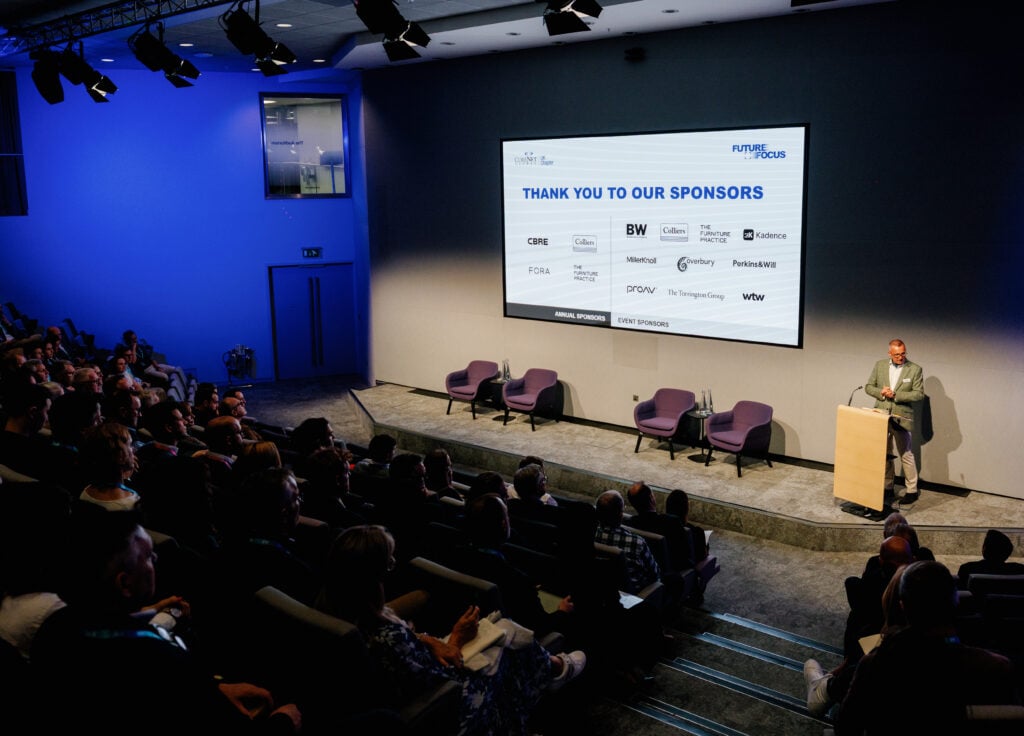


AI dominated the agenda at CoreNet Future Focus 2026, but perhaps the most interesting takeaway wasn’t about technology at all.
Across the day’s discussions, a consistent theme emerged: as artificial intelligence becomes increasingly capable of handling routine, structured and output-driven tasks, the value of distinctly human skills only grows.
From strategic judgement and creativity to relationship-building and mentoring, attendees were challenged to think less about what AI can do and more about what people, workplaces and organisations should prioritise in an AI-driven future.
Don’t compete with AI
In her keynote, ‘Don’t Compete with AI: Amplify What Makes You Unique’, Stefanie Sword-Williams argued that professionals should focus on developing and communicating the qualities that technology cannot easily replicate.
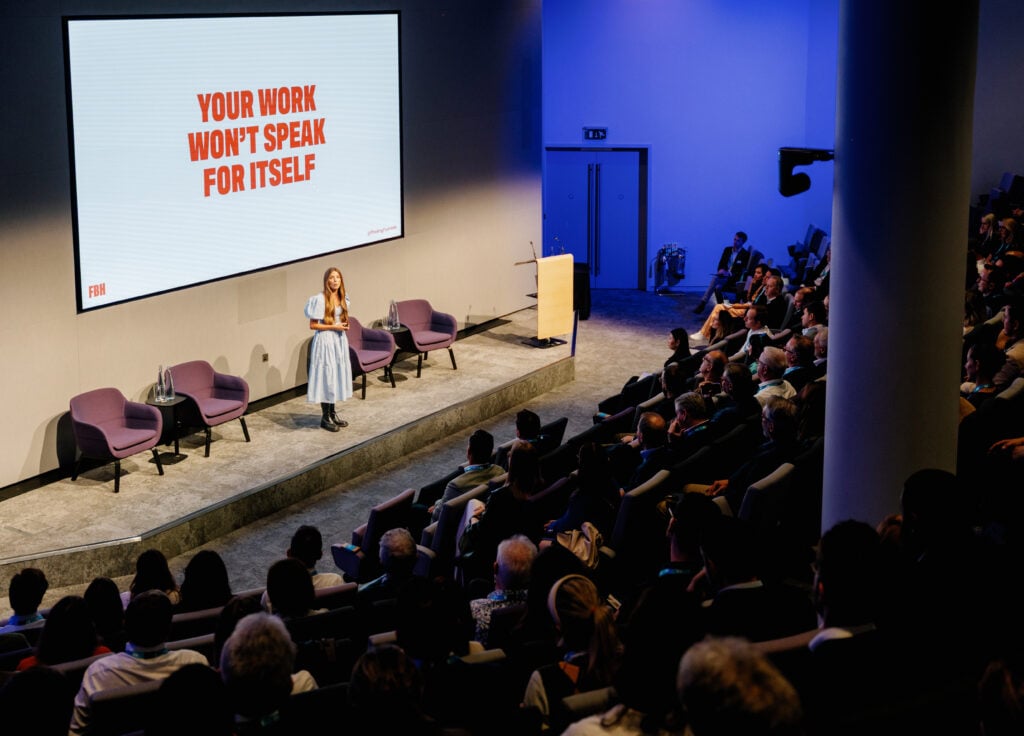
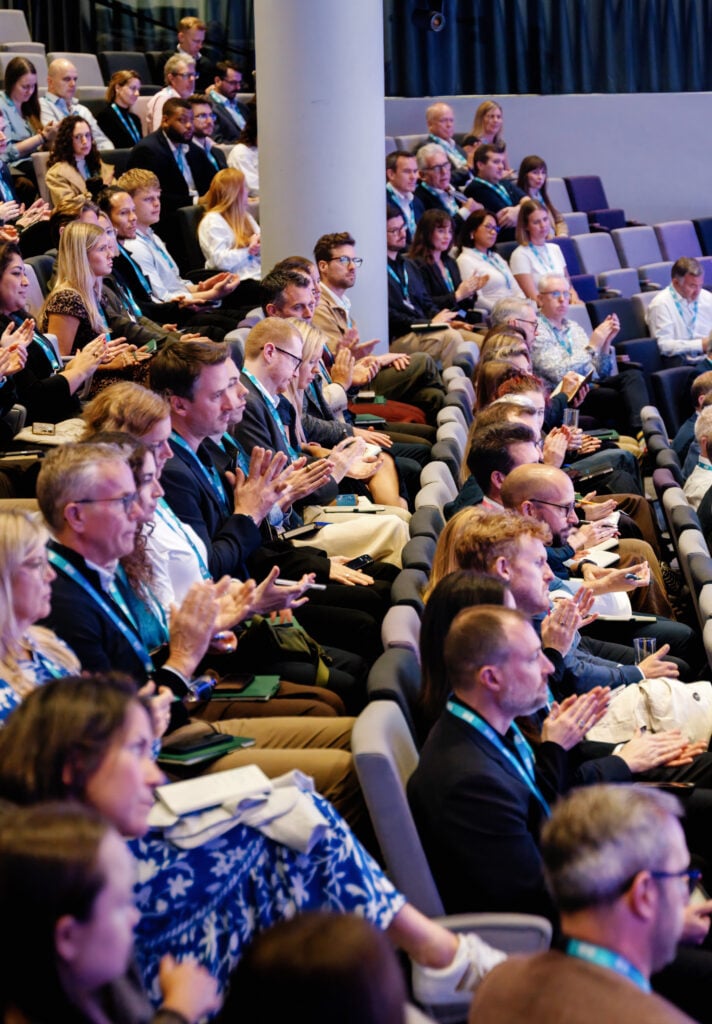
AI can automate processes, accelerate research and improve efficiency, but individual value increasingly lies in expertise, experience, creativity, empathy and personal perspective. In a world where AI-generated content risks making everyone sound the same, authenticity becomes a differentiator.
“What stood out to me was the idea that AI is making everyone sound the same, so it’s increasingly important to understand what genuinely differentiates you, whether that’s your experience, perspective or the outcomes you deliver. Keeping a record of the moments you’re most proud of and the impact you’ve made helps you communicate your value to clients and stakeholders in a way that feels authentic and human.”
– Ethan Jones, Sales Associate at Tsunami Axis
Another takeaway was that professionals shouldn’t be trying to become AI experts overnight. Instead, they should focus more on what makes them uniquely human and use that to their advantage.
Fast work versus slow work
Another thought-provoking session from the day was delivered by Naomi Sakamoto from Gensler. Her presentation, ‘The Workplace: Fast and Slow’, explored the distinction between work that AI excels at and work that still depends on people.
Using the analogy of AI as the “hare” and people as the “tortoise”, Naomi challenged the assumption that faster is always better. While AI performs exceptionally well when tasks are clearly defined, linear and output-focused, many organisational challenges aren’t that black and white. Complex stakeholder engagement, strategic decision-making, cultural leadership and innovation often require ambiguity, discussion and what Naomi described as more deliberate, thoughtful forms of work.
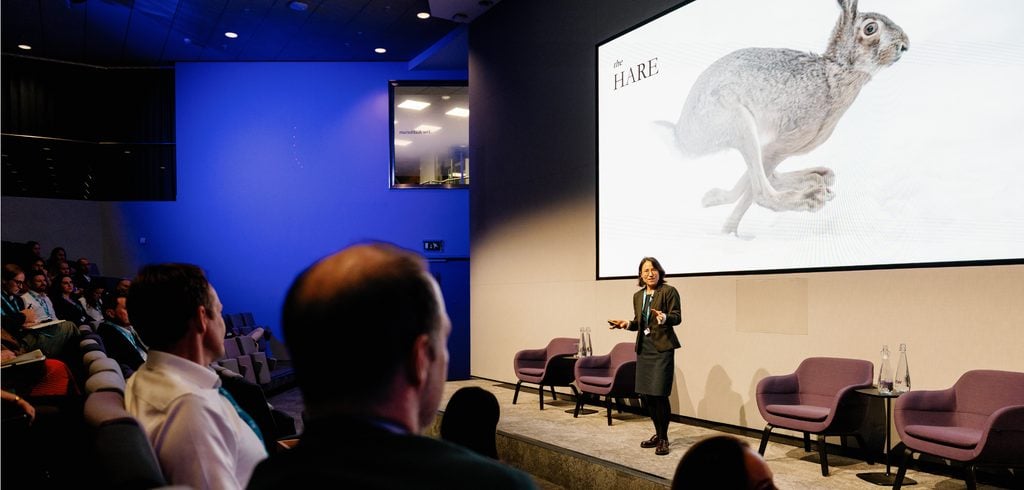
The concept of creating space for “productive friction” stood out. Rather than removing every obstacle in pursuit of efficiency, valuable outcomes often emerge when ideas are challenged, perspectives collide and teams are given the time to think.
In an AI-powered workplace, slowing down may become a competitive advantage.
What happens to workplace learning?
One debate that surfaced throughout Chris Moriary’s discussion, ‘AI will destroy / save work’, concerned the future of entry-level work.
Many of the repetitive administrative tasks now being targeted by AI have traditionally served another purpose: they provided opportunities for junior employees to develop skills, understand processes and gain experience.
If those tasks disappear, organisations face an important question: how do we create the next generation of experts if technology performs many of the activities through which expertise is traditionally developed?
“As AI becomes more prevalent, independent thinking and authenticity will become increasingly valuable. We need to make sure AI supports the development of human skills, rather than becoming an easy substitute for the thinking and learning that builds expertise.”
– Nick Pell, Business Development Lead at The Torrington Group
The answer may require more intentional approaches to mentoring, coaching and workplace learning, alongside new ways of exposing less experienced employees to real-world decision-making.
What does this mean for the workplace?
For workplace designers and occupiers, the implications could be significant.
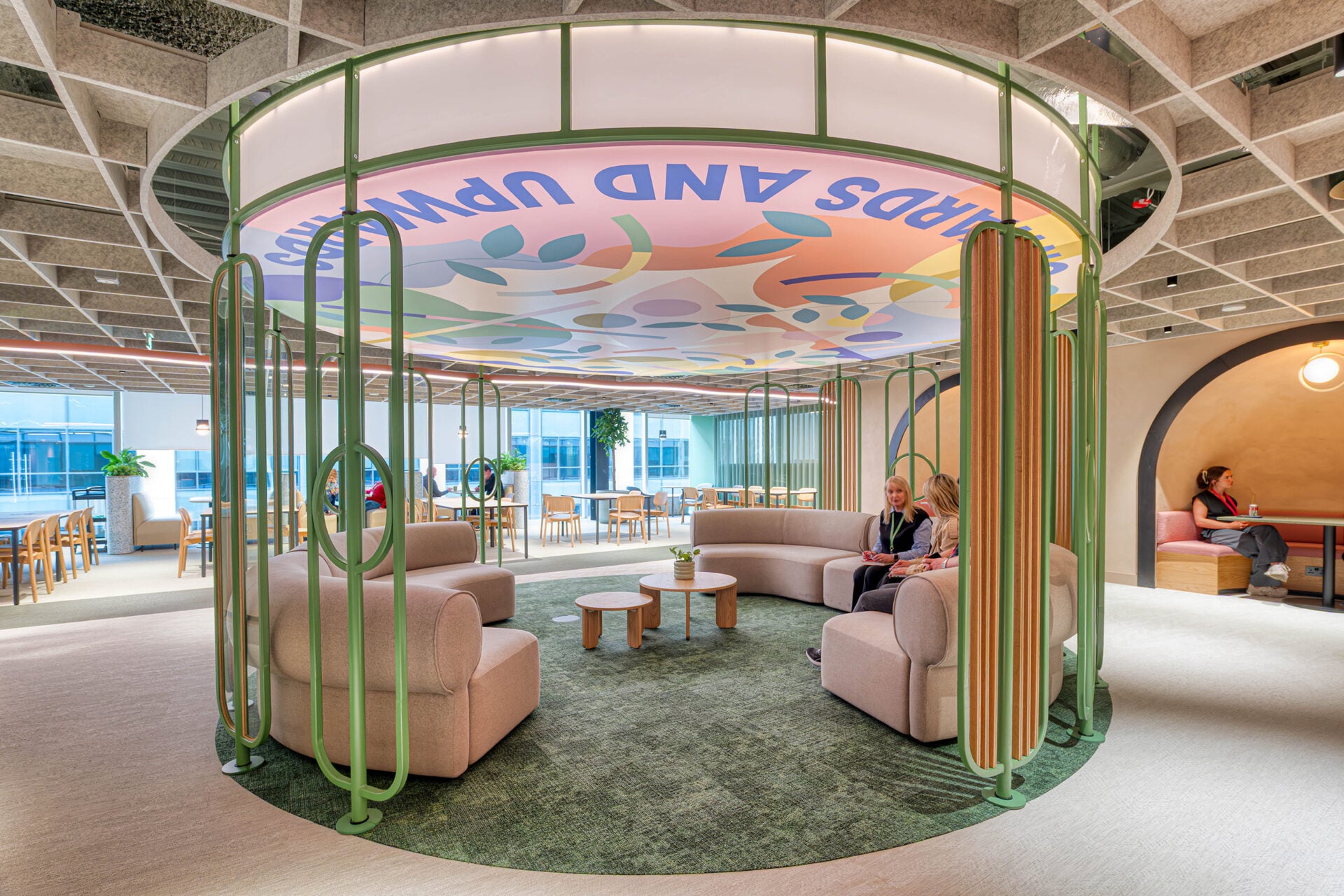
If AI can increasingly support individual focused tasks, the office no longer needs to be designed primarily around providing people with a desk and a screen. Instead, workplaces may need to place greater emphasis on the activities that benefit most from human interaction:
- Collaboration and knowledge-sharing
- Learning and apprenticeship
- Relationship-building
- Creative problem-solving
- Strategic thinking
- Focused deep work
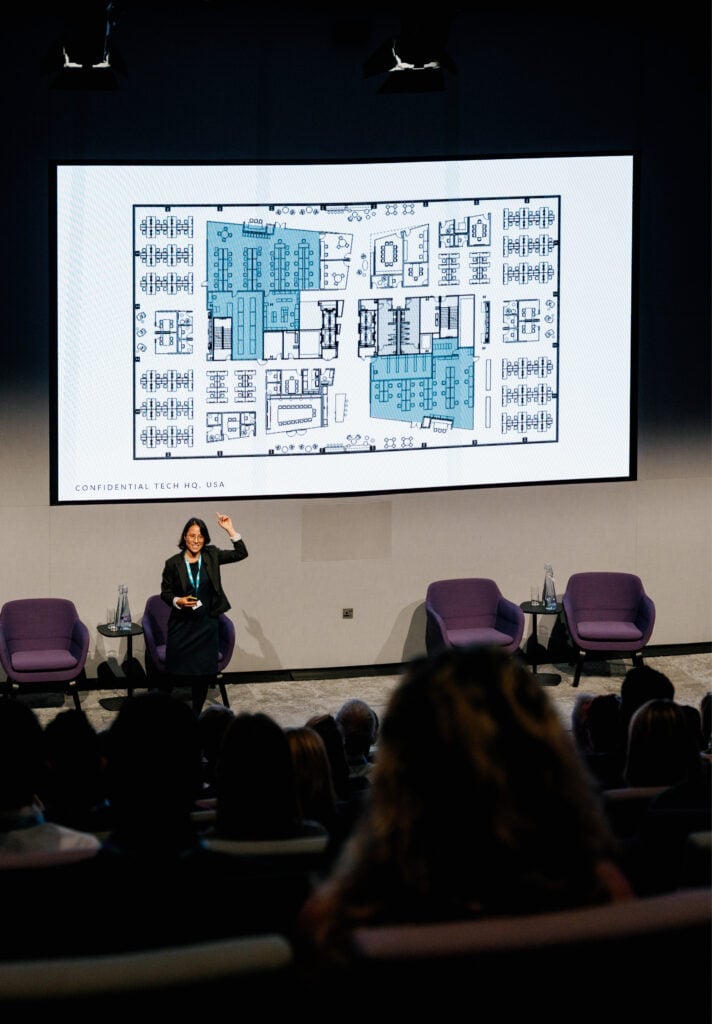
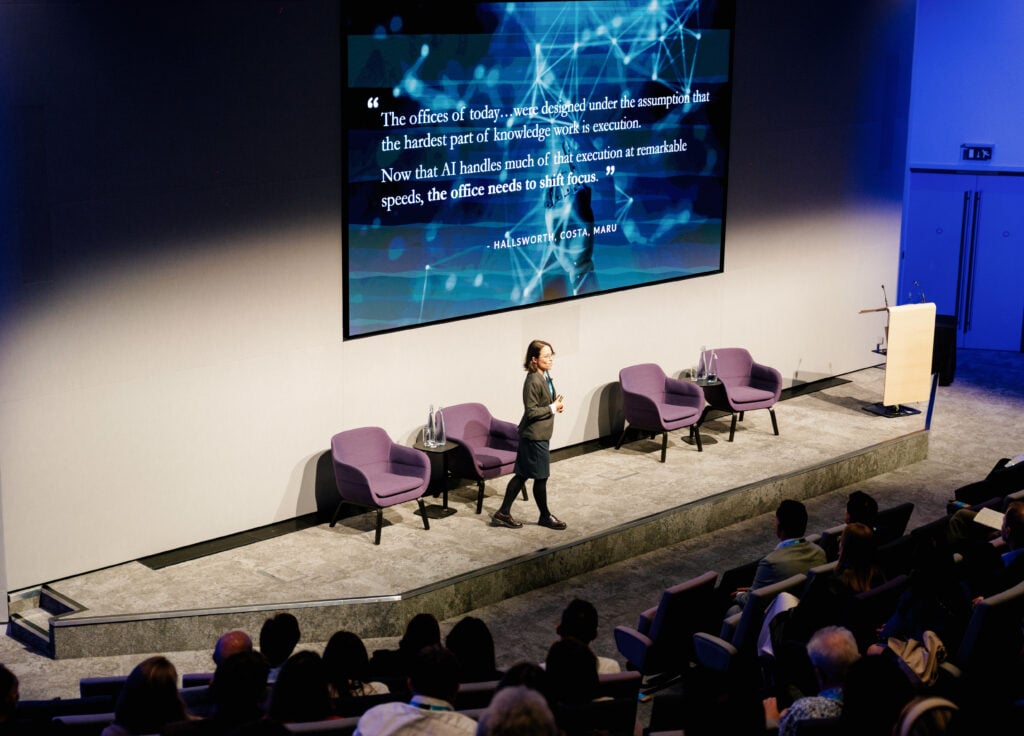
The conversation is beginning to shift away from occupancy and efficiency alone towards creating environments that actively support the human experience.
The real opportunity
CoreNet Future Focus offered a useful reminder: the organisations that thrive won’t simply be those that automate the fastest, but those that use AI to remove low-value tasks while investing in the activities where people create the greatest value.
Technology may change how work gets done, but judgement, trust, creativity and human connection remain difficult to automate. That may be exactly what makes them more important than ever.
“It’s clear that shaping what we need AI to become begins now, we need to put in place the right guide rails and apply the right decision making to harness it’s potential whilst prioritising the human experience in the workplace. The research and observations presented by the Speakers were challenging but also hopeful and I firmly believe that we can get the balance right”
– Jim Brondbjerg, Head of Marketing and New Business Development at The Torrington Group
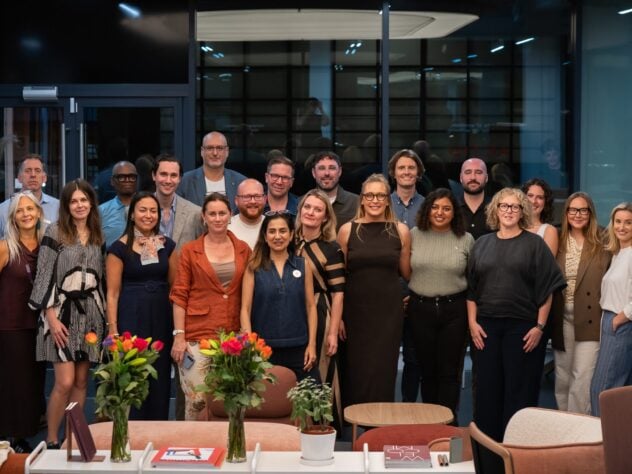
Thank you to CoreNet Global UK Chapter, the speakers and organisers who contributed to Future Focus 2026. We were delighted to co-sponsor, under The Torrington Group, an event that provided such a valuable opportunity to challenge assumptions, explore emerging trends and continue the conversation about what the future of work, and the workplace, should look like in the age of AI.