
Design is about more than aesthetics. The environments we create shape how people feel, connect and belong, which is why the voices behind them matter. As Pride Month encourages reflection on representation across industries, the furniture and design world has an opportunity to recognise the LGBTQ+ creatives who continue to challenge conventions, bring fresh perspectives and expand what design can be.
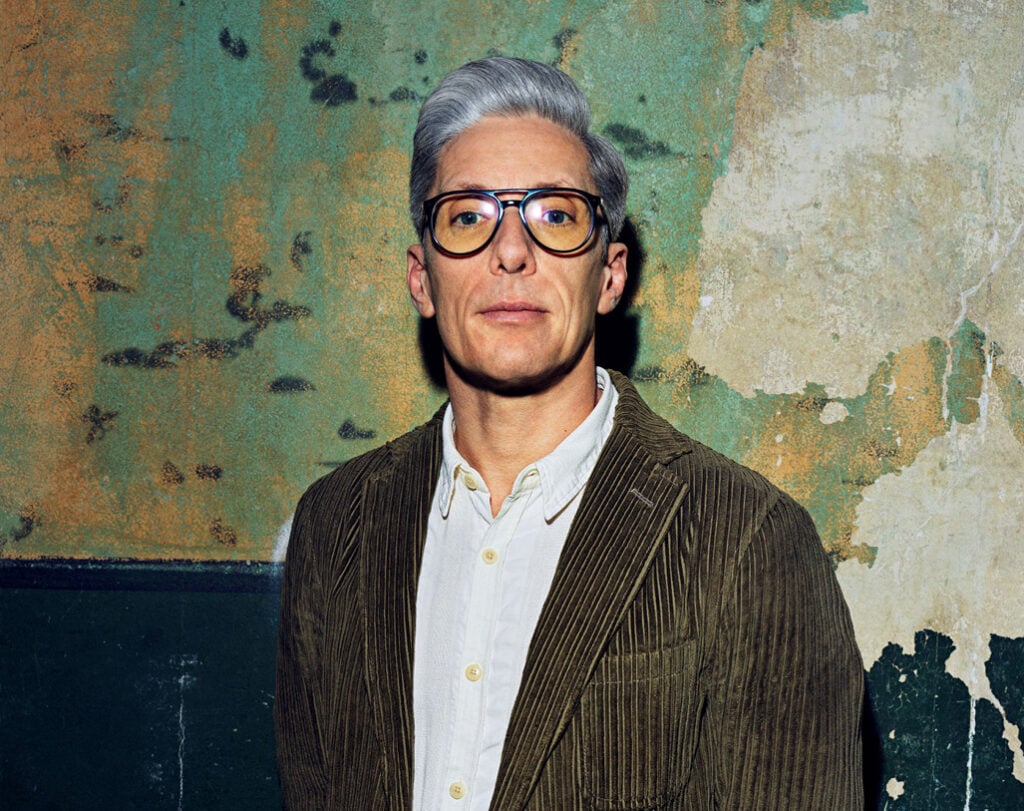
We sat down with Kevin Craig, Furniture Consultant (A&D) at Tsunami Axis, to discuss the importance of championing LGBTQ+ talent, the designers inspiring him today, and what the commercial interiors sector can learn from a more curious, expressive and inclusive approach to design.
From your perspective, why is it important that the furniture and design world continues to champion LGBTQ+ voices and talent?
The furniture and design world is inherently people focused. The environments we create need to reflect the diversity of those who use them. By elevating LGBTQ+ perspectives, we ensure that spaces are not only functional and beautiful, but also inclusive, representative and genuinely welcoming.
More importantly, diverse voices drive better design outcomes. Different lived experiences bring new ways of thinking, challenging assumptions and pushing the industry forward creatively and culturally. Without that, design risks becoming repetitive, exclusionary, or disconnected from the people it serves.
There’s also a responsibility piece. As an industry that influences workplace culture, hospitality experiences and public environments, we have a platform to normalise inclusion. Championing LGBTQ+ talent isn’t just about visibility during Pride Month, it’s about creating pathways, trust and opportunity year-round. Ultimately, when people feel seen and valued, they do their best work.
Does your own life experience ever influence the way you respond to a piece of design or the designers you find yourself drawn to?
Design is never neutral. Our personal experiences inevitably shape what resonates with us. I’m often drawn to designers who create with clarity and a strong sense of identity, work that feels considered, inclusive and human. It’s usually the spaces and products that go beyond aesthetics and genuinely understand how people live, work and connect that stay with me. That perspective isn’t accidental, it comes from lived experience, and it’s what keeps design evolving.
Which designers working within or alongside the queer design community do you think are doing some of the most exciting work right now, and what is it about their approach that stands out to you?
Designers such as Tino Seubert and Germans Ermičs are doing some of the most exciting work for me right now. Tino’s furniture often explores the relationship between industrial and handcrafted materials, while Germans has become known for his distinctive use of coloured glass in pieces such as his Where the Rainbow Ends – a rainbow-tinted glass pavilion created to commemorate the 50th anniversary of the Stonewall Rebellion – and his Ombre Glass Chairs, where colour, light and materiality combine to transform how we perceive familiar forms.
Both Tino and Germans have a willingness to push materials beyond their “usual” language to soften, distort or reframe them into something more expressive. It mirrors the idea that identity isn’t fixed or singular – it can be fluid, layered, and unapologetically individual.
Gabriel Hendifar, owner and creative director of Apparatus, is another designer creating thoughtfully crafted collections that fuse sensual materials with hand-finished details to balance mechanisation with the expressive irregularity of the human hand.
For me, it’s designers such as these that make objects feel distinctive: design that’s not just well-made but deeply considered in how it expresses difference and challenges what’s expected. What stands out is a real sense of freedom in how materials are approached – almost a refusal to be defined by expectations.
2LG Studio have been actively curating and platforming other queer designers, such as during LDF 2025 at their You Can Sit With Us, Green Carnation exhibition. Why do you think that kind of community-building matters, and do you see more of it happening?
What Jordan Cluroe and Russell Whitehead at 2LG are doing is great and I think it’s important. We need to see more initiatives like The Green Carnation happening across the industry. Work like that creates visibility, which absolutely matters, especially in an industry where LGBTQ+ voices haven’t always been centred. It also creates opportunities for connection, collaboration and the discovery of new talent. These kinds of exhibitions don’t just showcase great work, they start conversations and encourage the industry to think differently about representation and inclusion. They help create momentum and provide a platform that can lead to bigger opportunities.
I do think we’re seeing more of this kind of community-building, which is really positive. The next step is making sure that visibility continues beyond those moments. It’s about who gets commissioned, who holds decision-making roles, and whose work is seen as commercially viable day-to-day. For me, the real shift will be when diversity and visibility are embedded as the norm.
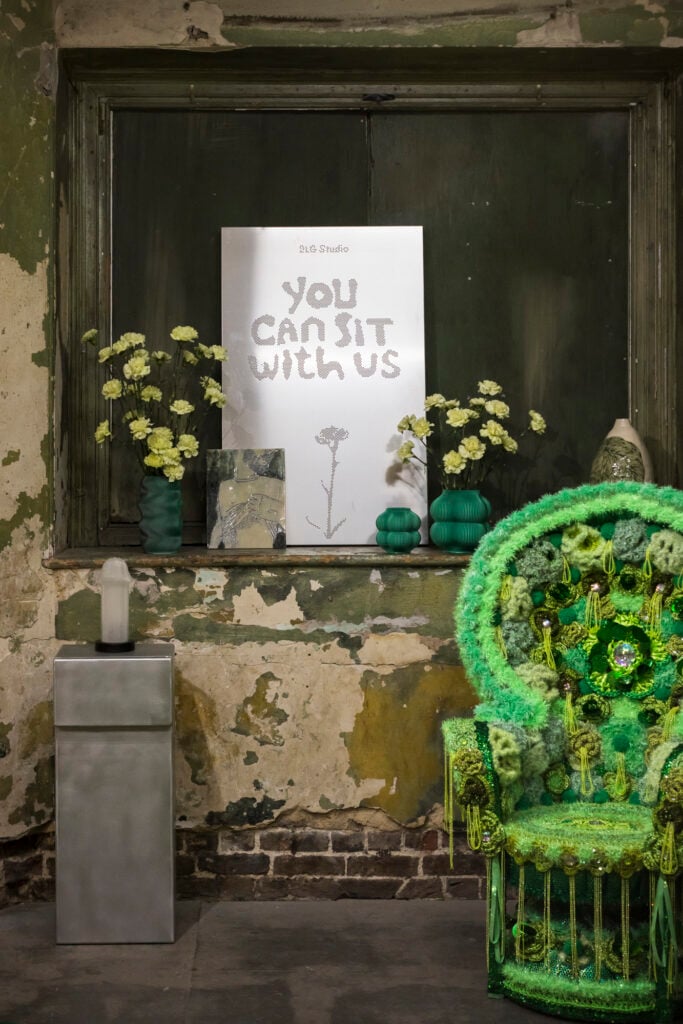
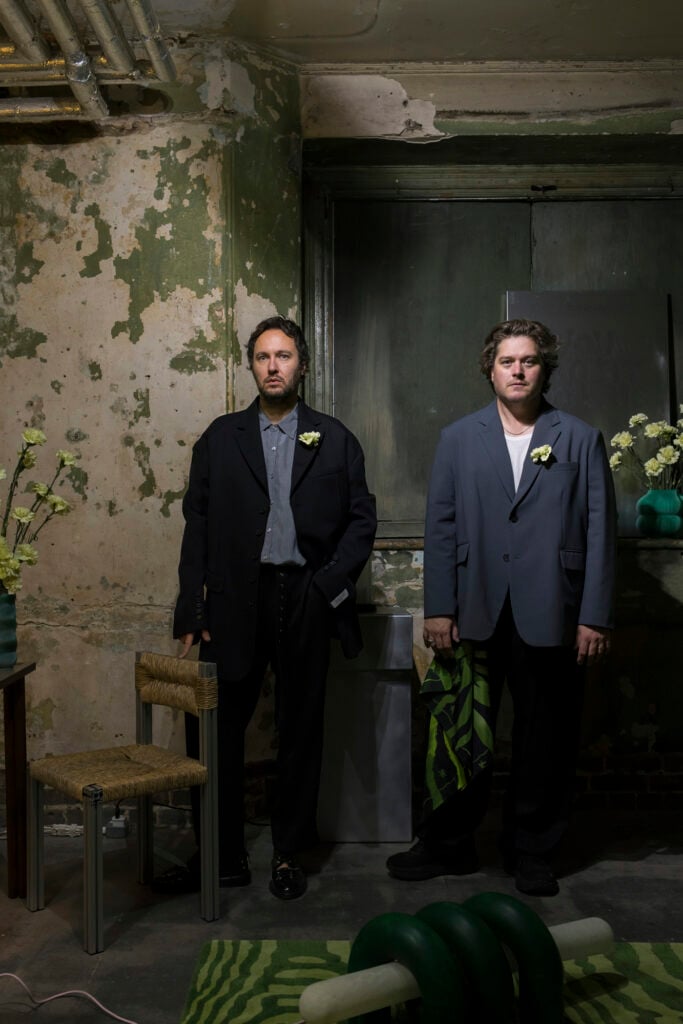
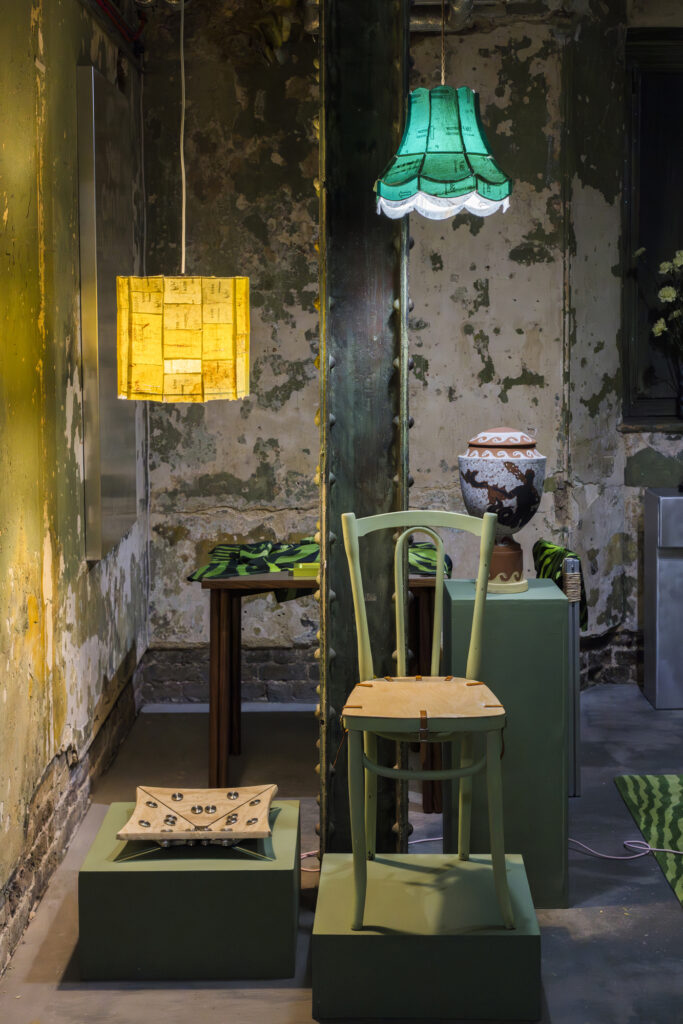
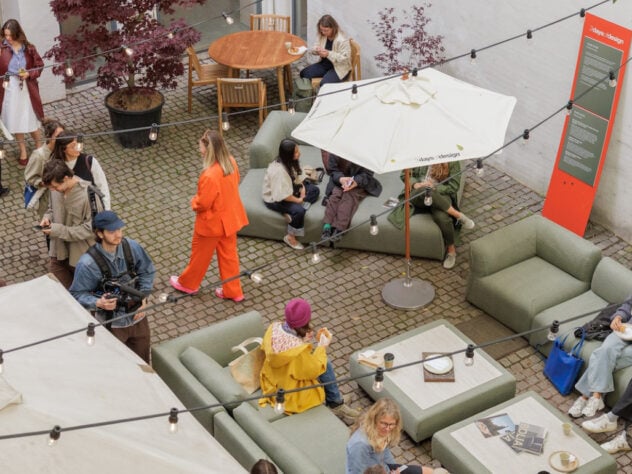
2LG Studio: “You can sit with us” Green Carnation Exhibition at LDF 2025. Photography by Megan Taylor.
Commercial interiors often favour proven solutions and familiar aesthetics. As someone working closely with workplace designers and clients, what do you think the sector could gain by embracing some of the curiosity, experimentation and individuality we’re seeing from designers like 2LG, Tino Seubert and Gabriel Hendifar?
I think there’s a huge opportunity there. Commercial interiors can sometimes default to what’s proven but bringing in that level of curiosity and experimentation would push the sector forward in a meaningful way. Designers like these challenge material expectations and bring a stronger sense of identity into their work and that’s exactly what workplaces are starting to need more of. People want environments that feel distinctive, human and engaging, not just efficient. Even small shifts in materiality, detailing or expression can create spaces that feel more inspiring and memorable. Ultimately, embracing that individuality doesn’t mean losing practicality, it means elevating it.
If you could put one piece of furniture by a queer designer into every workplace project tomorrow, what would it be – and why?
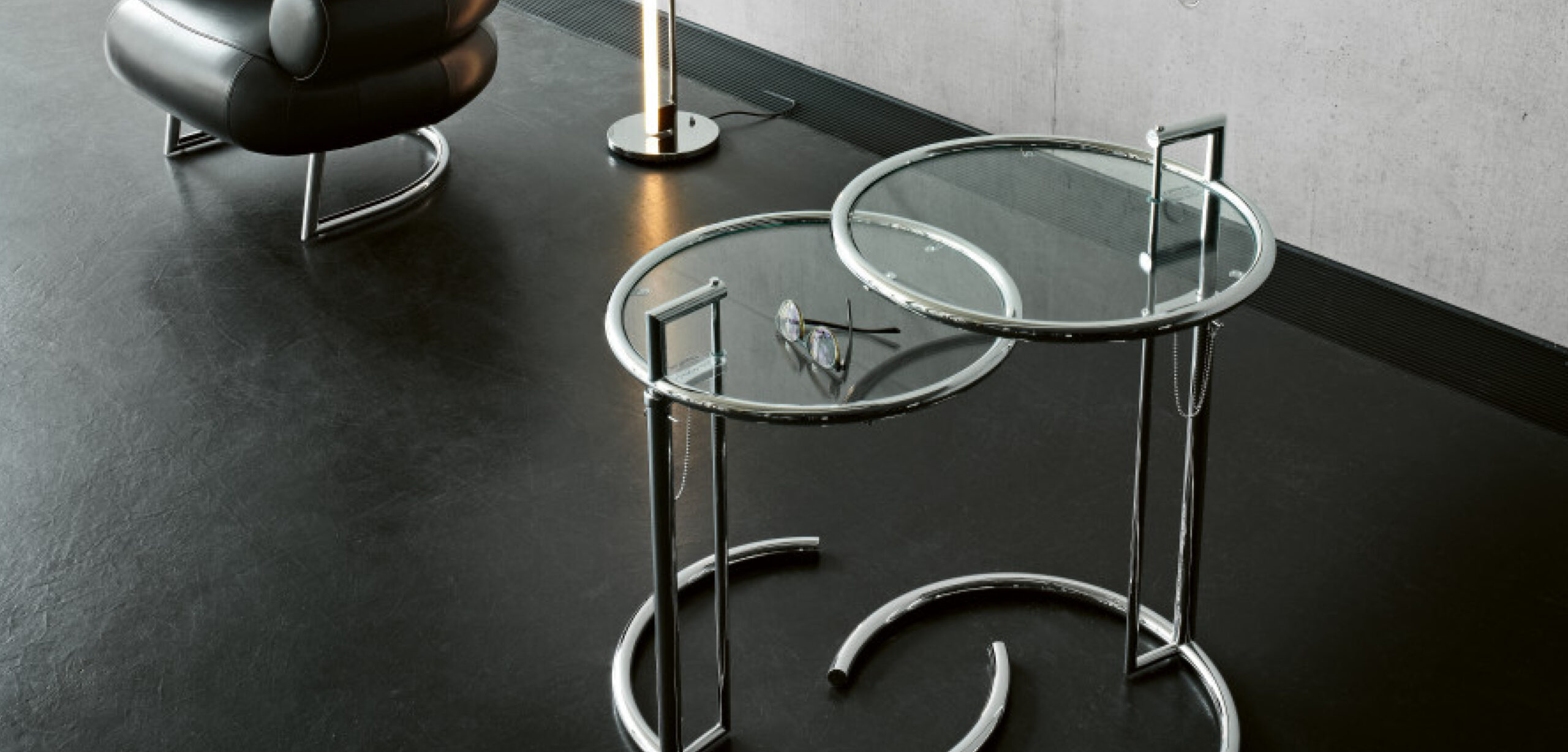
It would have to be Eileen Gray’s adjustable side table. For me, it’s a perfect balance of elegance and function. It’s quietly radical in how it rethinks something so familiar. There is a lightness and precision to it, but also a sense of adaptability that feels incredibly relevant to how we work today. I’m also drawn to the story behind it. As a queer designer working in a male-dominated modernist movement, Gray challenged expectations in a way that still resonates.
It’s a reminder that the best design doesn’t shout, it endures, and it shifts how we live without us even realising.