
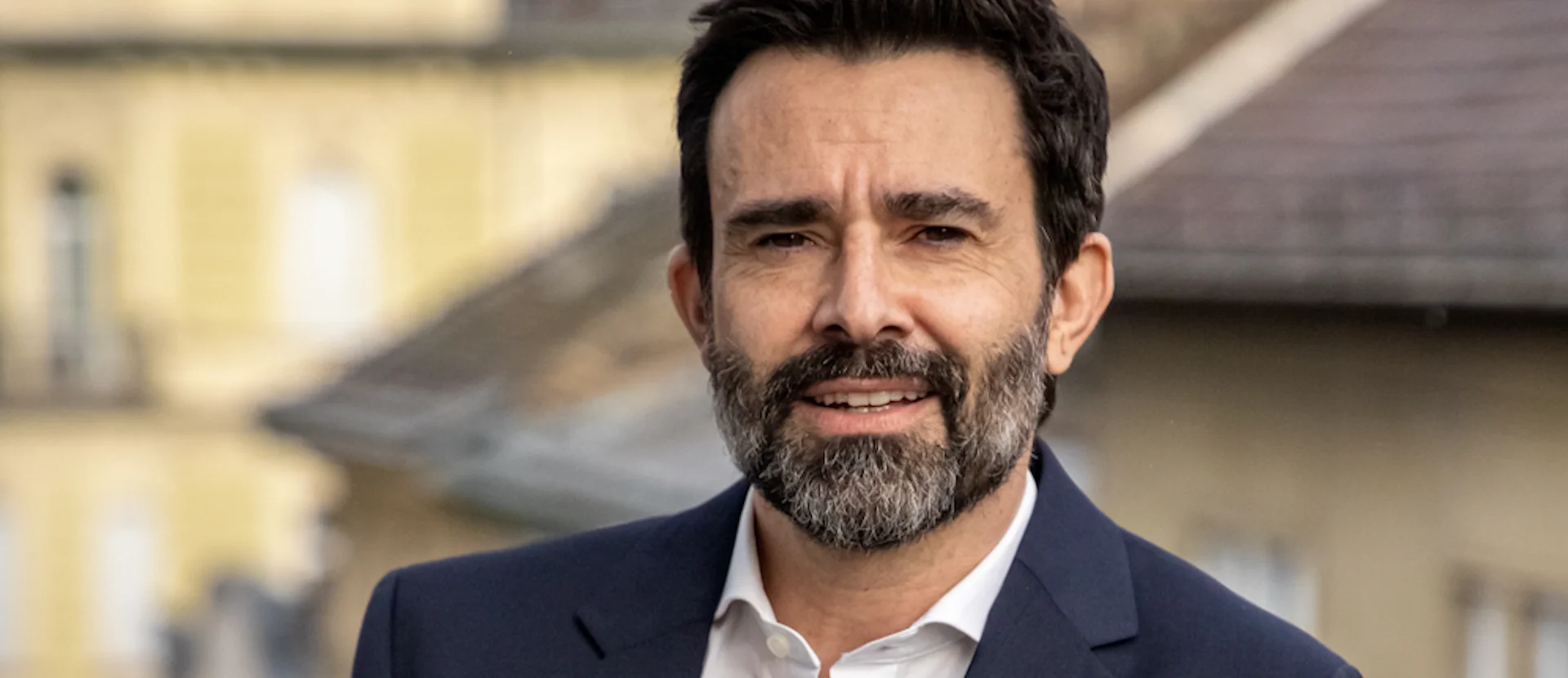
As hybrid working, sustainability, and cost pressures reshape the European workplace, French-speaking markets are evolving in distinctive ways. We sat down with Olivier Bouvet, Director of French-speaking Regions at Tsunami Axis, to explore how France, Switzerland and Luxembourg are responding — and what these shifts mean for occupiers, landlords, and workplace leaders looking ahead.
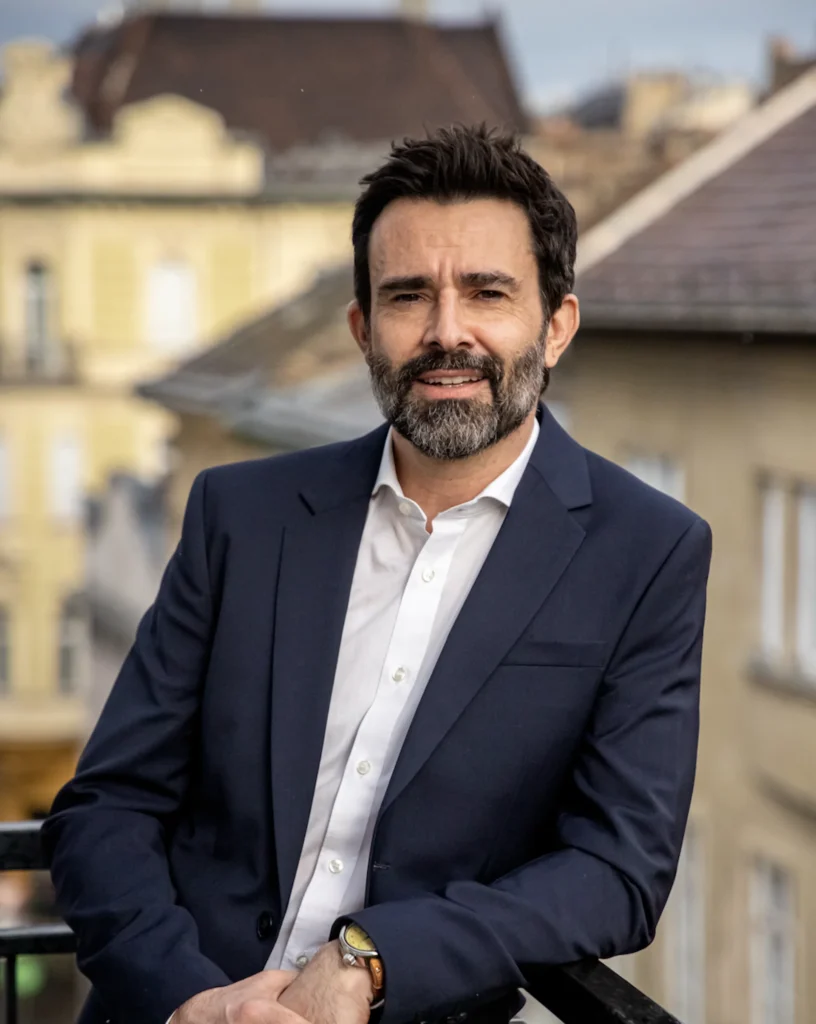
Olivier, you’ve recently taken on responsibility for our French-speaking regions. What excites you most about the opportunities here?
Growth — and the chance to take what’s worked so well in the UK and apply it in new markets.
Tsunami Axis’s design expertise and global portfolio create real momentum, and it’s exciting to help shape that next phase across the French-speaking regions.
How would you describe the unique character of the French and Swiss-French workplace markets?
All three markets are mature and relationship-driven, but they operate at different speeds and scales.
France balances creativity with competition, particularly in Paris, where global occupiers expect choice and flexibility. Switzerland is anchored in precision and long-term value, with decisions driven by quality and reliability.
Luxembourg sits slightly differently. It’s highly international, fast-moving, and compliance-led. Many organisations operate across borders, which means workplace decisions are often influenced by regulatory alignment, governance, and consistency across multiple locations. That makes clarity, coordination, and trust especially important.
Culturally, what distinguishes how clients approach office design and investment across these regions?
In Switzerland, investment decisions are long-term and exacting — quality is non-negotiable.
In France, there’s a strong appetite for comparison and customisation, with design playing a visible role in expressing identity.
Luxembourg combines elements of both. Clients expect high standards and durability, but also require speed, clarity, and confidence that solutions will work across jurisdictions. Design still matters, but it’s often evaluated through the lens of governance, risk, and long-term operational performance.
This is where a multi-location partner adds real value – understanding local nuance while delivering consistency across borders.
Flexibility is accelerating across these markets. What’s driving that shift?
Flexibility has become a baseline expectation across France, Switzerland and Luxembourg.
Rising real estate costs, changing work habits, and a move away from city centres have pushed organisations towards more adaptable solutions. In Luxembourg in particular, dense urban footprints and high costs are driving more efficient use of space, with many organisations consolidating, decentralising, or adopting hub-and-spoke models aligned with hybrid working.
The result is smaller, more intentional workplaces – spaces that support collaboration, focused work, and culture rather than sheer capacity. Furniture and layouts now need to work harder, adapting to multiple uses without compromising quality or longevity.
How do you build long-term partnerships with clients when their needs are shifting so quickly?
Client needs may appear to shift quickly, but their core strategies are anchored in long-term goals. The real value comes from looking beyond immediate requests and helping translate long-term strategy into the workplace.
That’s how you build trust – by understanding where clients want to go and aligning their workplace with that vision. Cost and speed will always matter, but our role goes deeper. We’re shaping the environments where people perform, connect, and thrive, and that takes insight, continuity, and time.
The long-standing partnerships we’ve built with clients such as Sage, AstraZeneca and Adobe demonstrate our ability to evolve alongside them, delivering consistency and value as their strategies progress.
How is sustainability shaping decision-making across the French-speaking regions?
Across all three markets, there’s a clear shift away from unnecessary waste.
In France, refurbishment is increasingly mandated through public tenders. In Switzerland, sustainability is tied closely to quality and lifecycle value. In Luxembourg, it’s often driven by governance, reporting requirements, and alignment with wider European ESG frameworks.
As workspaces become leaner, reuse and remanufacturing make both environmental and commercial sense. Circular solutions allow organisations to meet sustainability goals while maintaining control over cost and quality.
From your perspective, how does Tsunami Axis’s circular economy approach — re-use, refurbishment, and ethical clearance — resonate with clients in these markets?
Clients respond strongly to sustainability they can evidence.
EcoClear resonates because it helps them reuse and repurpose furniture rather than send it to waste — a visible, tangible impact. The next step is strengthening that impact locally through partnerships across France, Switzerland, Luxembourg, and beyond.
The strategy is global, but success is delivered on local scales.
Looking ahead, what will the French-speaking workplace will look like in 2030?
By 2030, reconditioned furniture will be standard practice across France, Switzerland and Luxembourg. The circular economy will no longer be a side conversation – it will be at the heart of how workplaces are designed, built, and managed.
We’ll see more regional hubs closer to where people live, and smaller, richer and more meaningful spaces that prioritise quality and experience over size.
The future workplace will be leaner, smarter, and more responsible.
If you could give one piece of advice to business leaders planning their next workplace project, what would it be?
Make people happy at work. After 23 years in this industry, I’ve never done a better job than when I was making people happy at work.