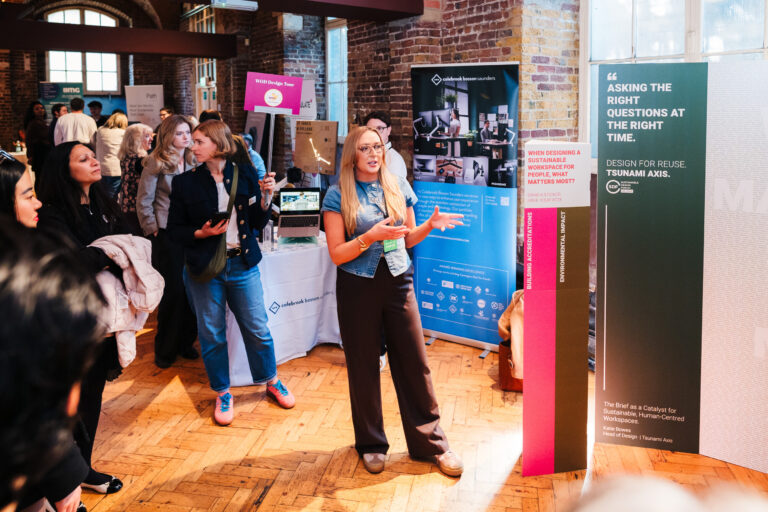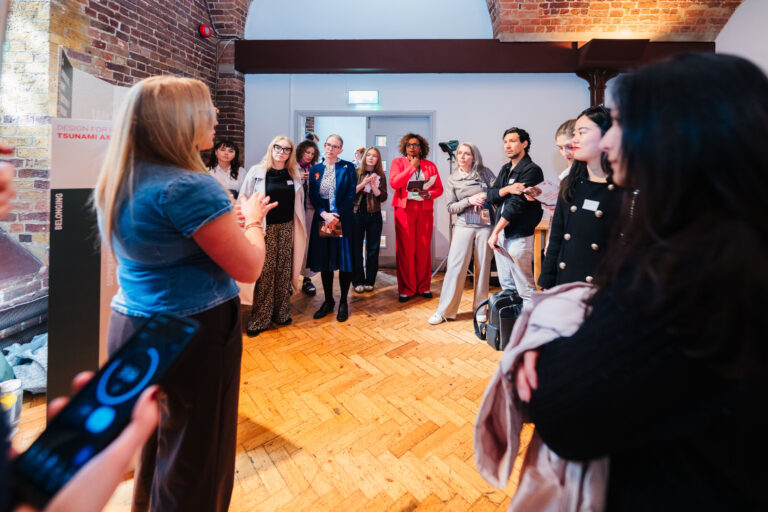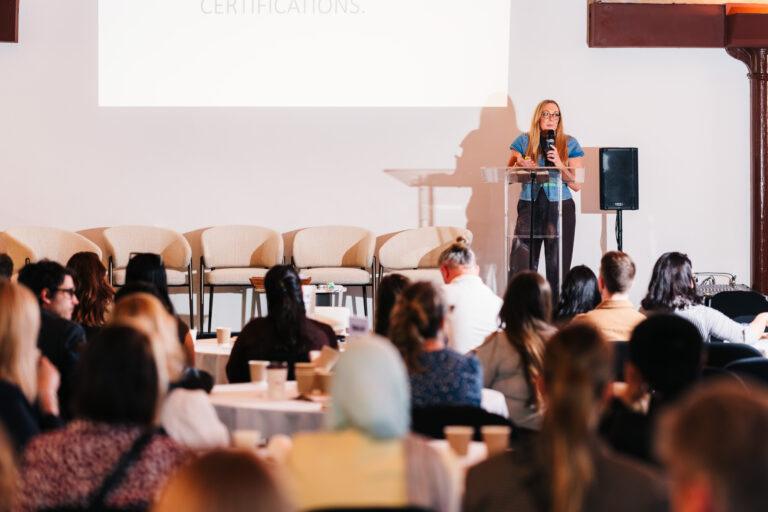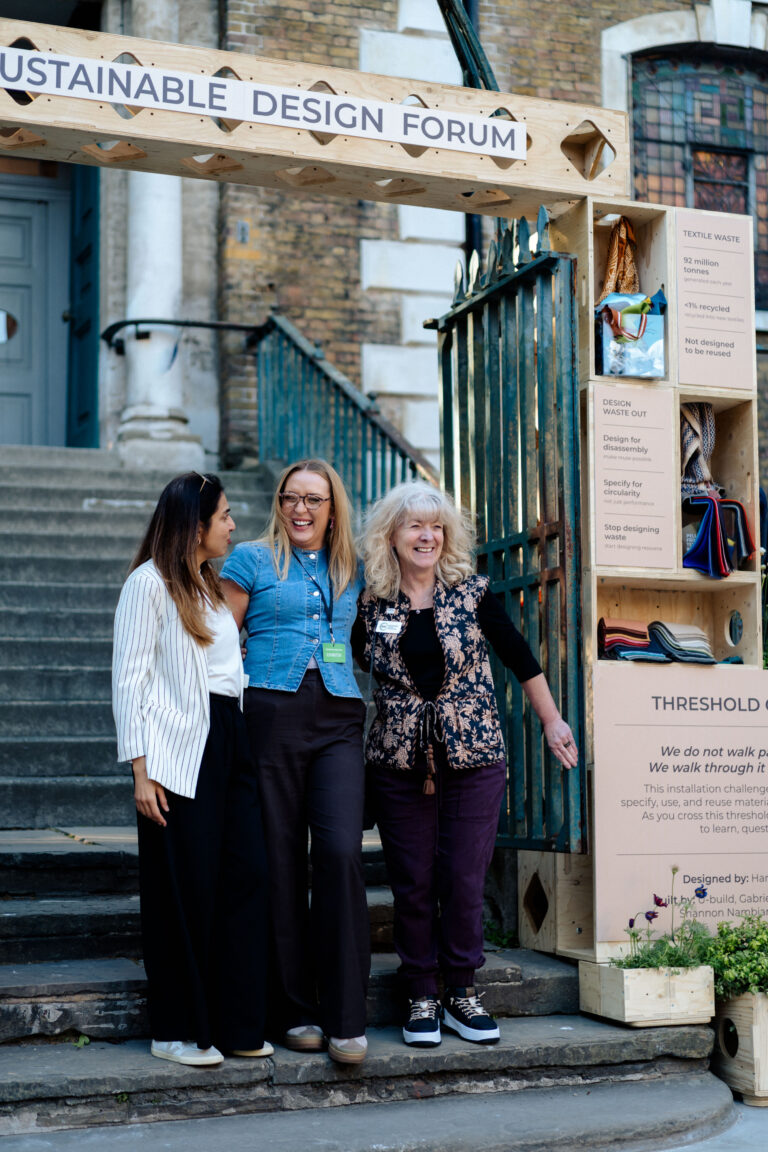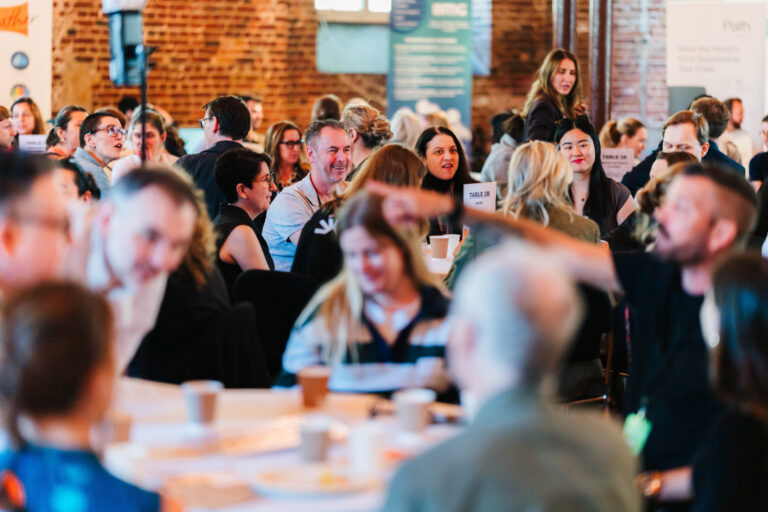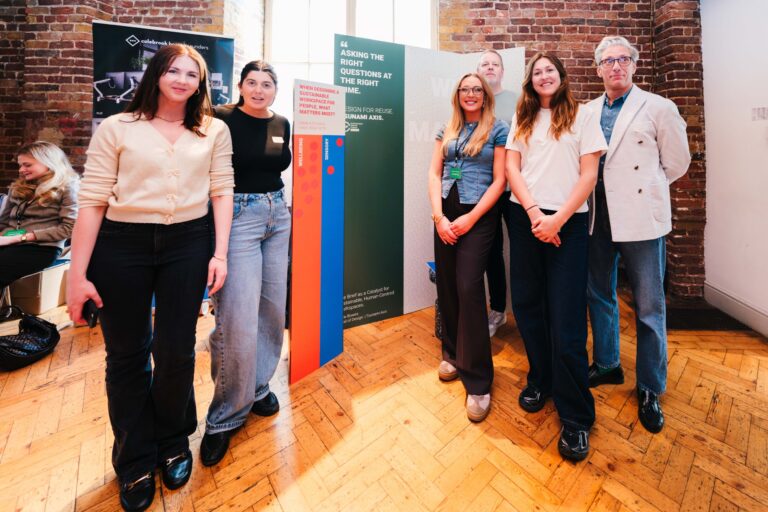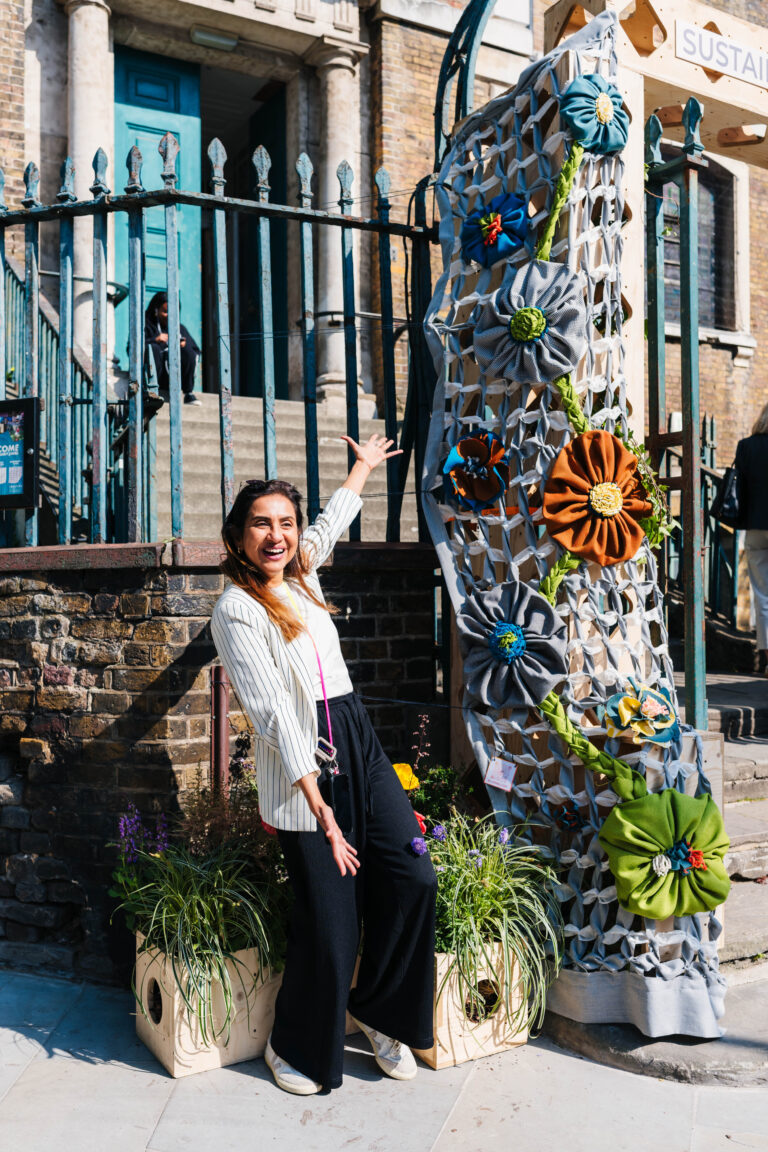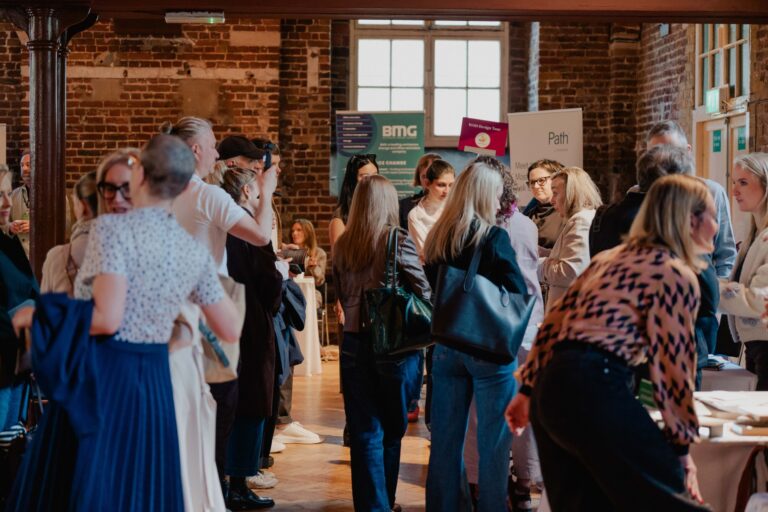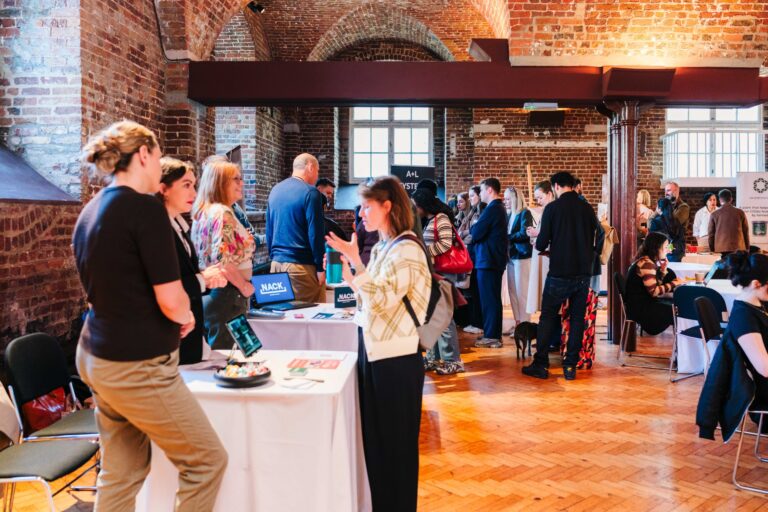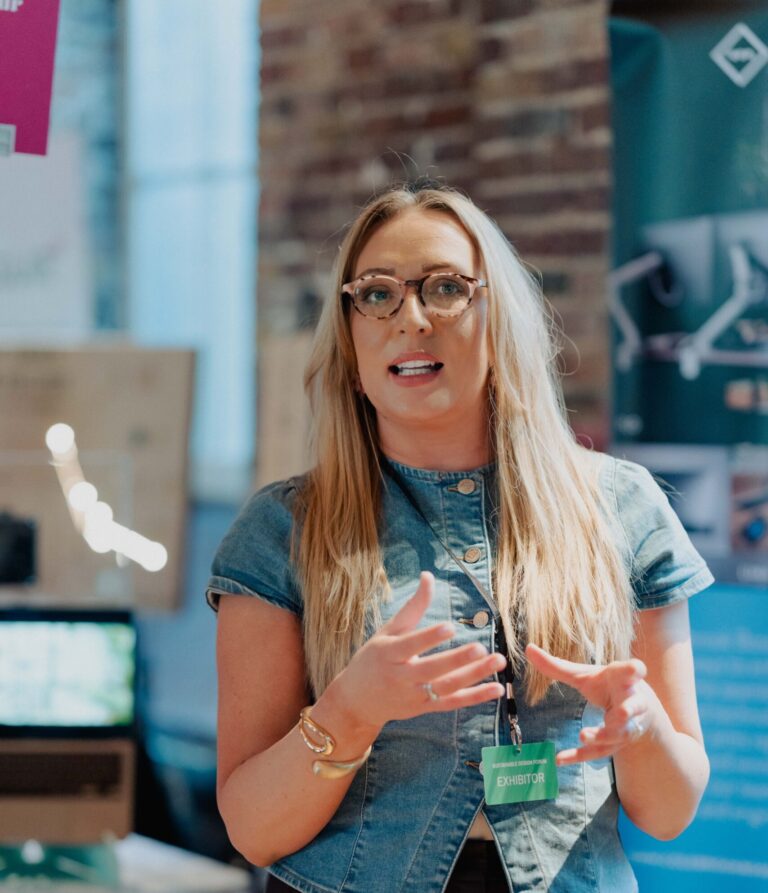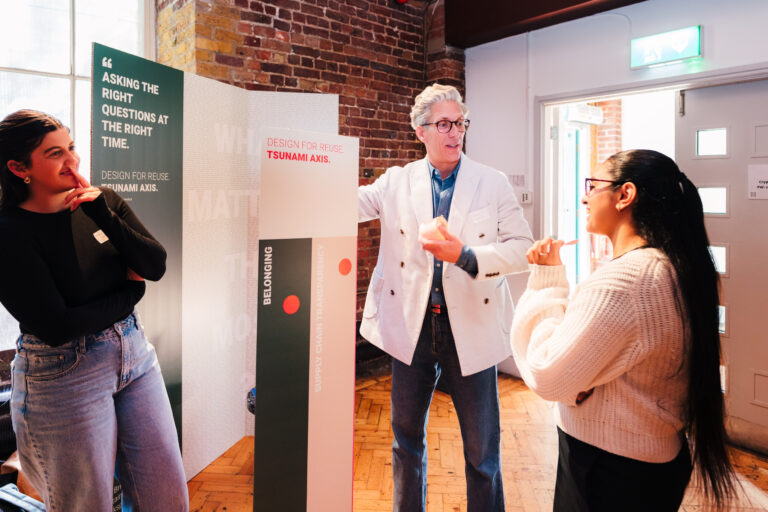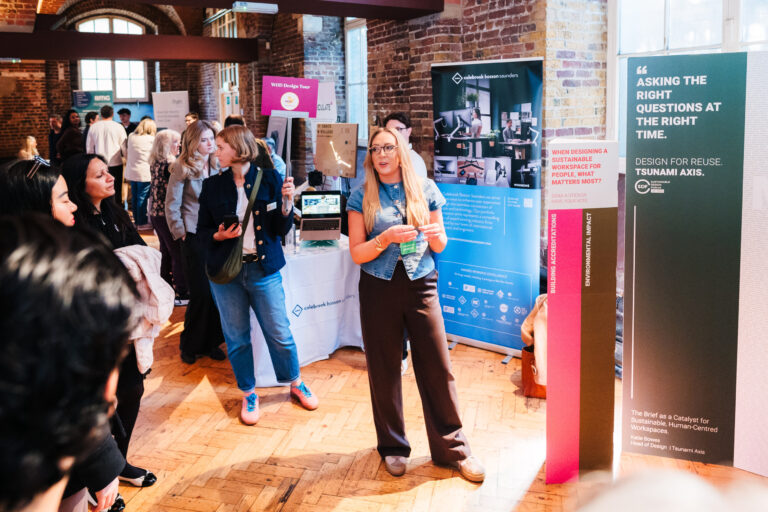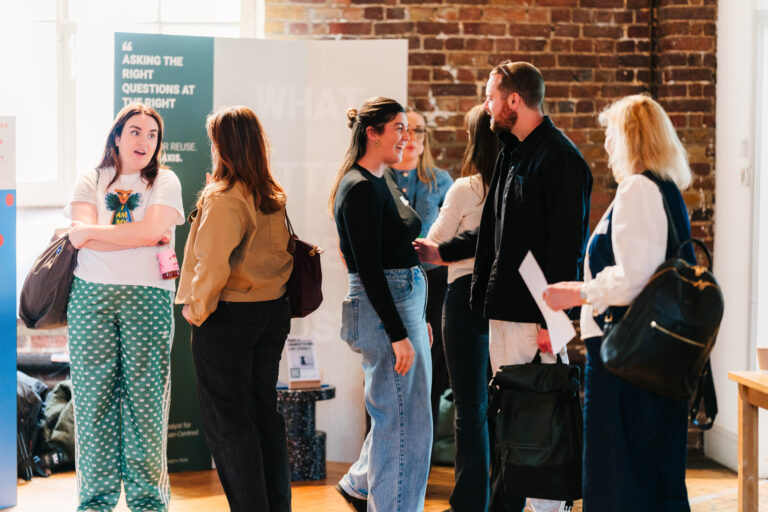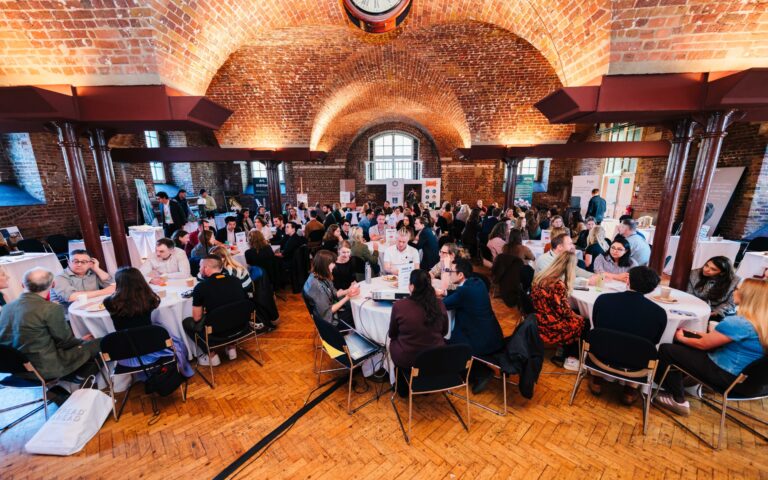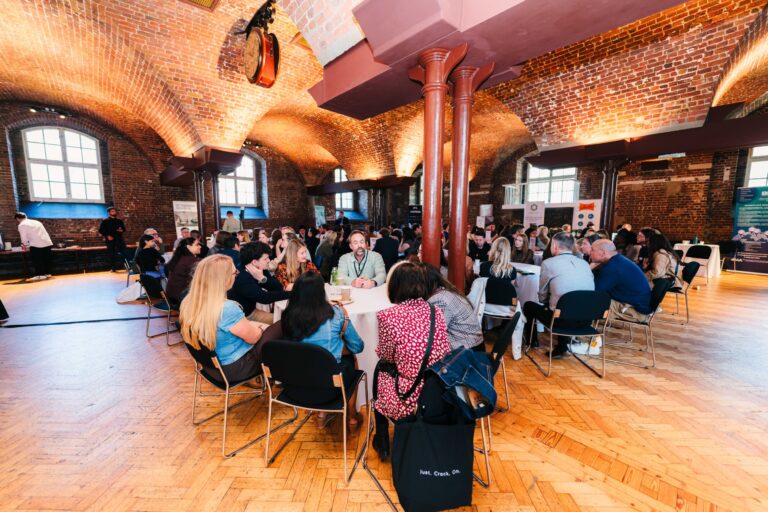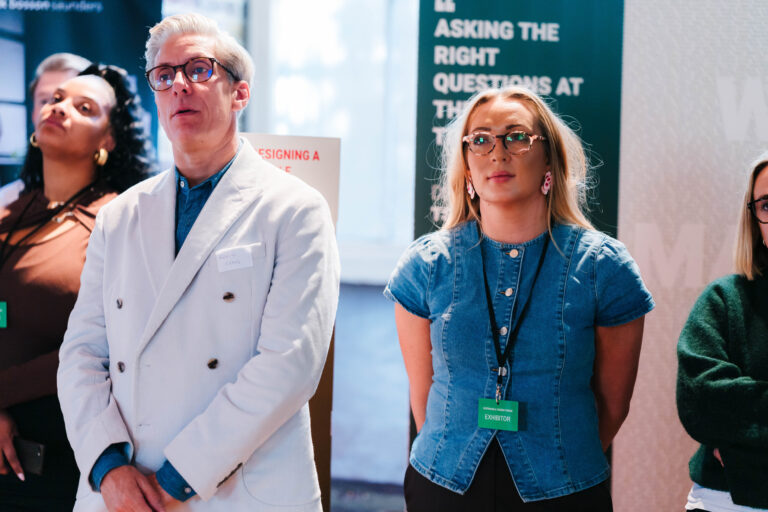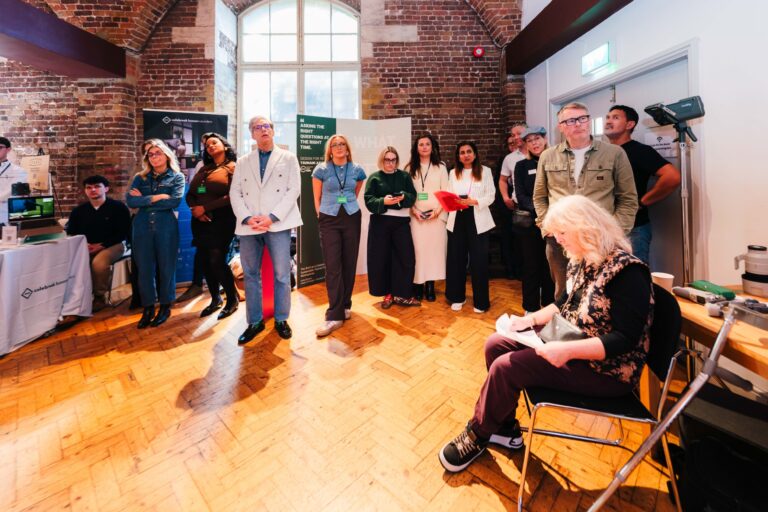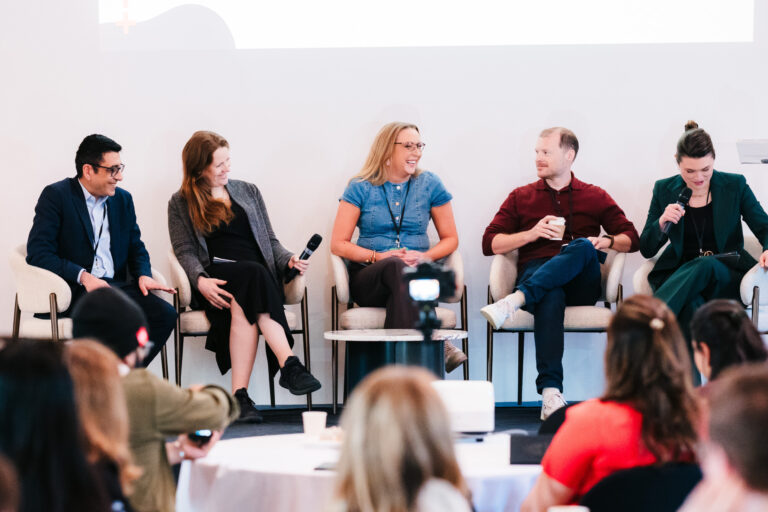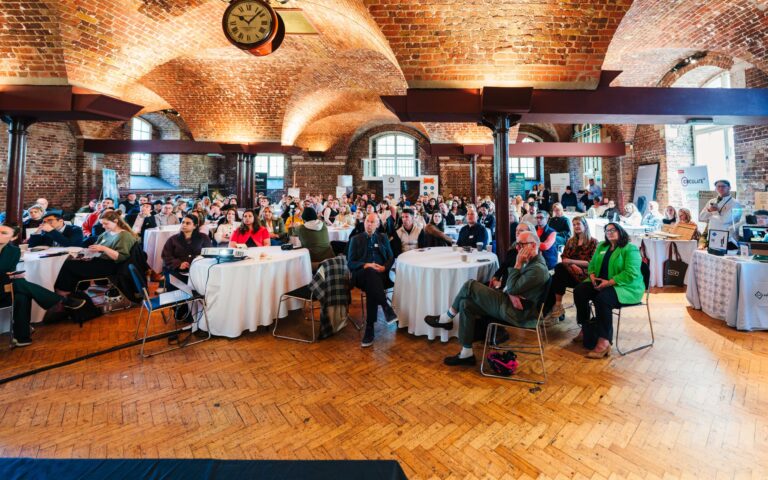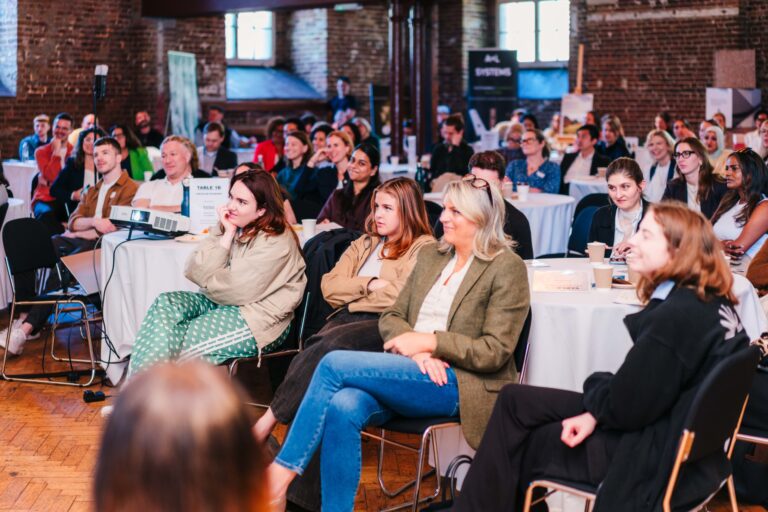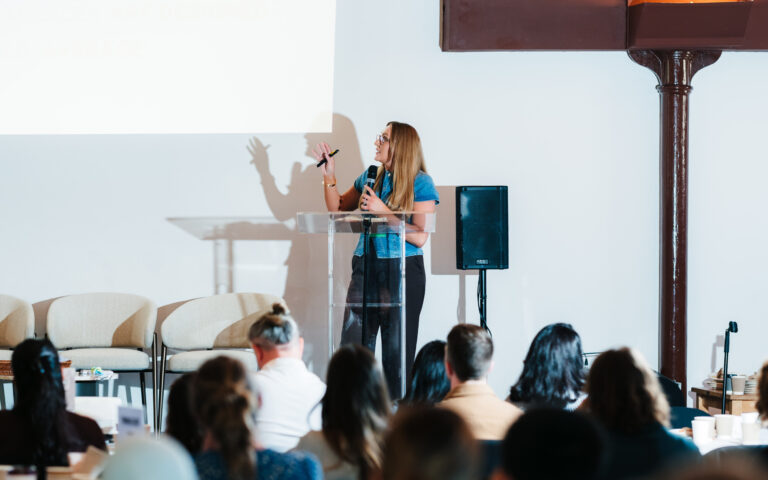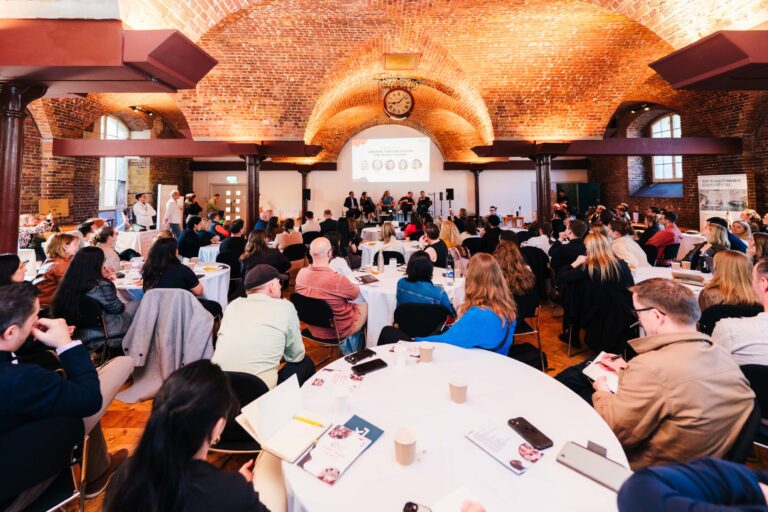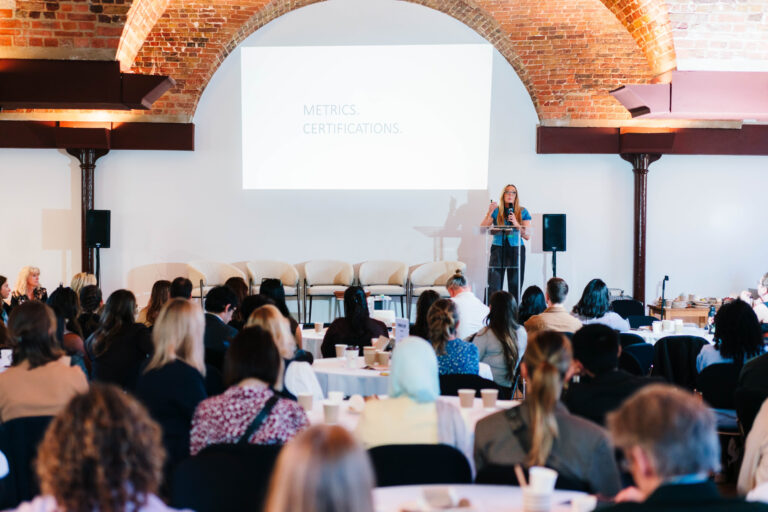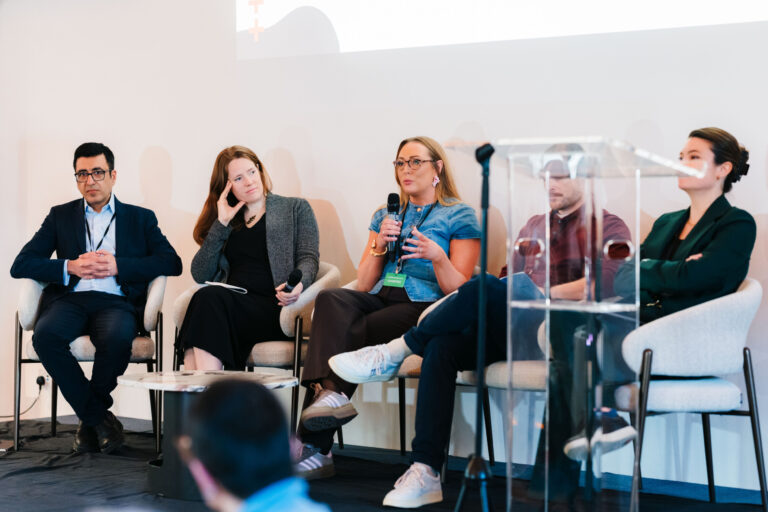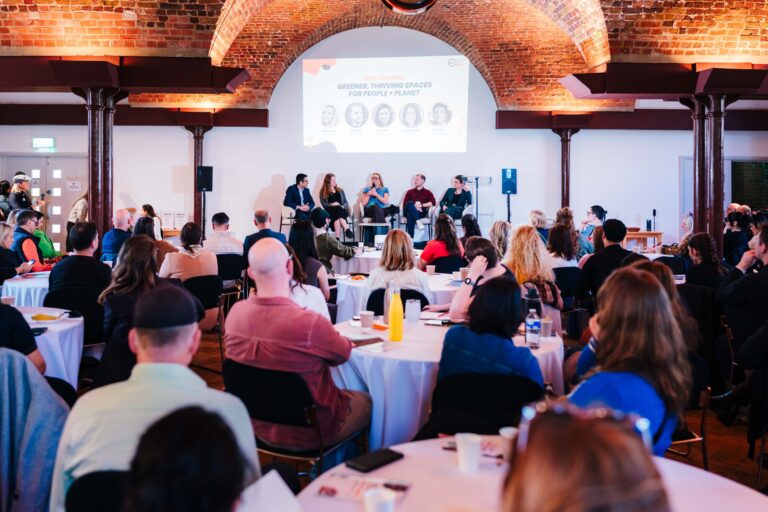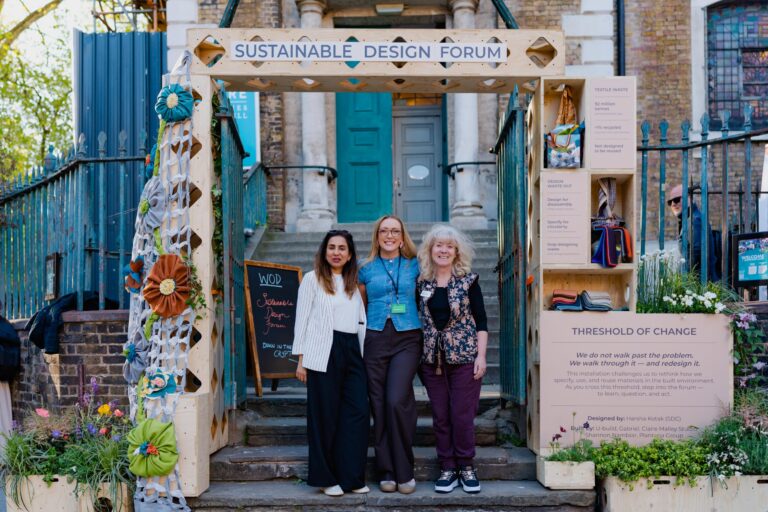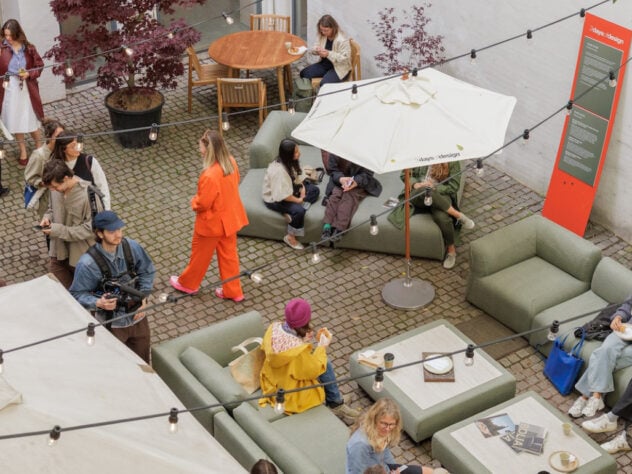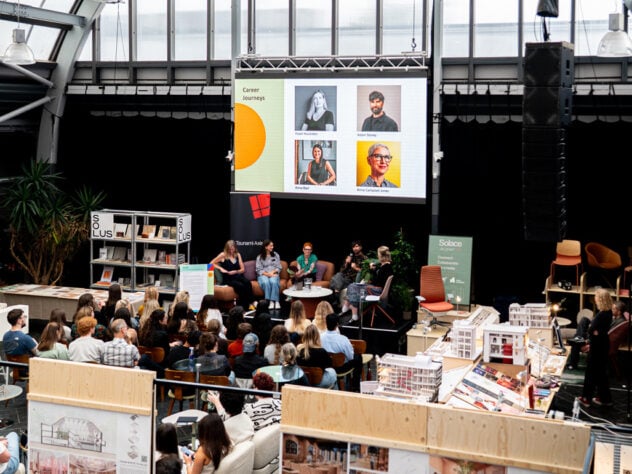

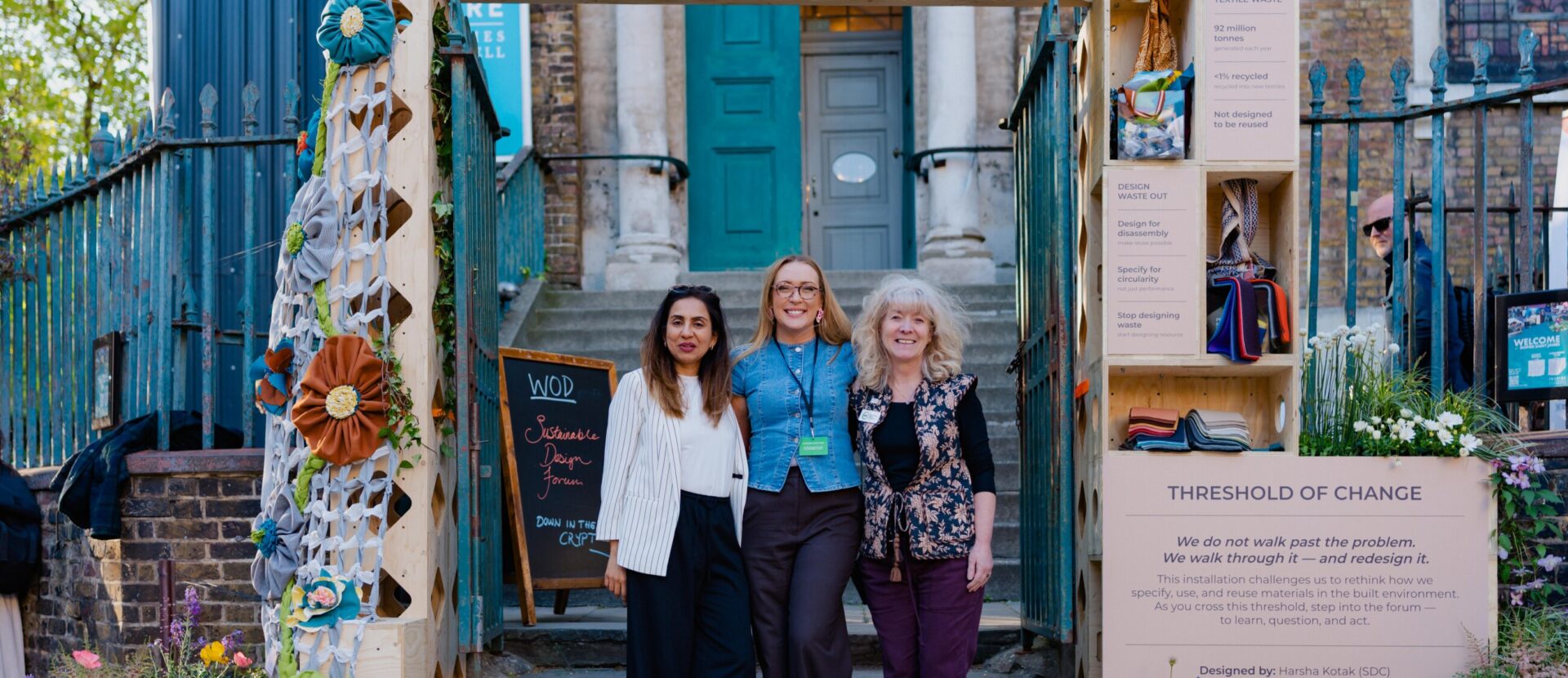
We were proud to be headline sponsors of the Sustainable Design Collective’s Sustainable Design Forum for 2026 in Clerkenwell. Set within the distinctive surroundings of Crypt on the Green, the event brought together designers, consultants and industry partners for a day of open conversation and shared ambition.

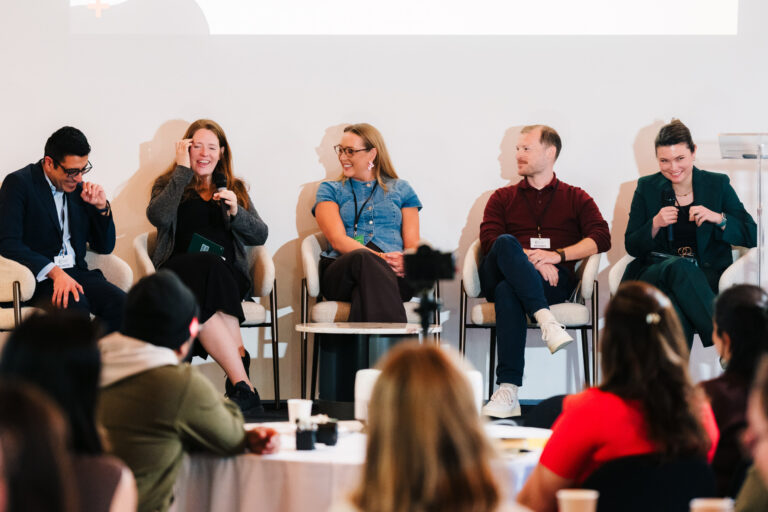
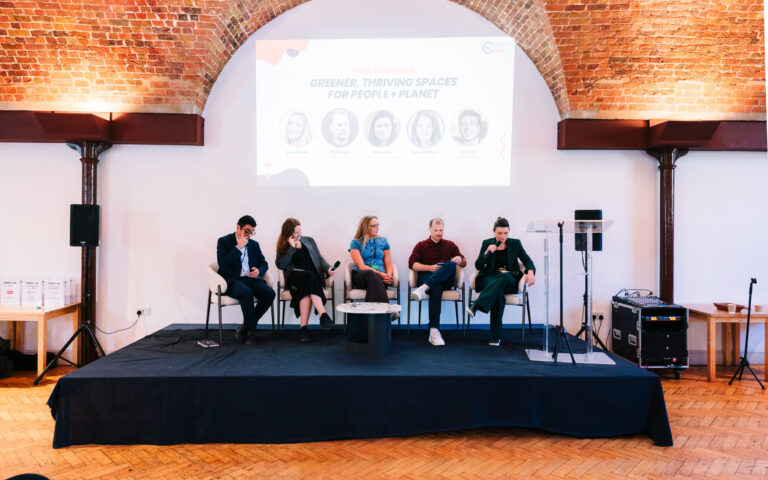
Our own Katie Bowes, Head of Design, joined both the speaker line-up and panel discussions, exploring how the earliest stages of a project influence not only environmental outcomes, but how people experience and connect with a space over time.
Key takeaways
Several themes carried through the day.
The decisions made at the very beginning of a project have a lasting impact. A brief does more than define scope – it sets intent and responsibility. When it is centred around people, belonging and wellbeing, spaces are more likely to be valued, cared for and sustained over time.
Environments that reflect identity and purpose tend to endure. When people feel connected to a space, they are more likely to invest in it, use it well and keep it for longer.
Sustainability is inseparable from people. It is shaped by how spaces are experienced, and increasingly by what individuals expect from the organisations they work for.
There was also a strong sense that while standards and certifications matter, progress depends just as much on clarity, transparency and practical decision-making aligned with both client and end users.
Across panels and conversations, one thing was clear. Real progress comes from shared dialogue and a willingness to challenge how we design, specify and deliver.
Continuing the conversation
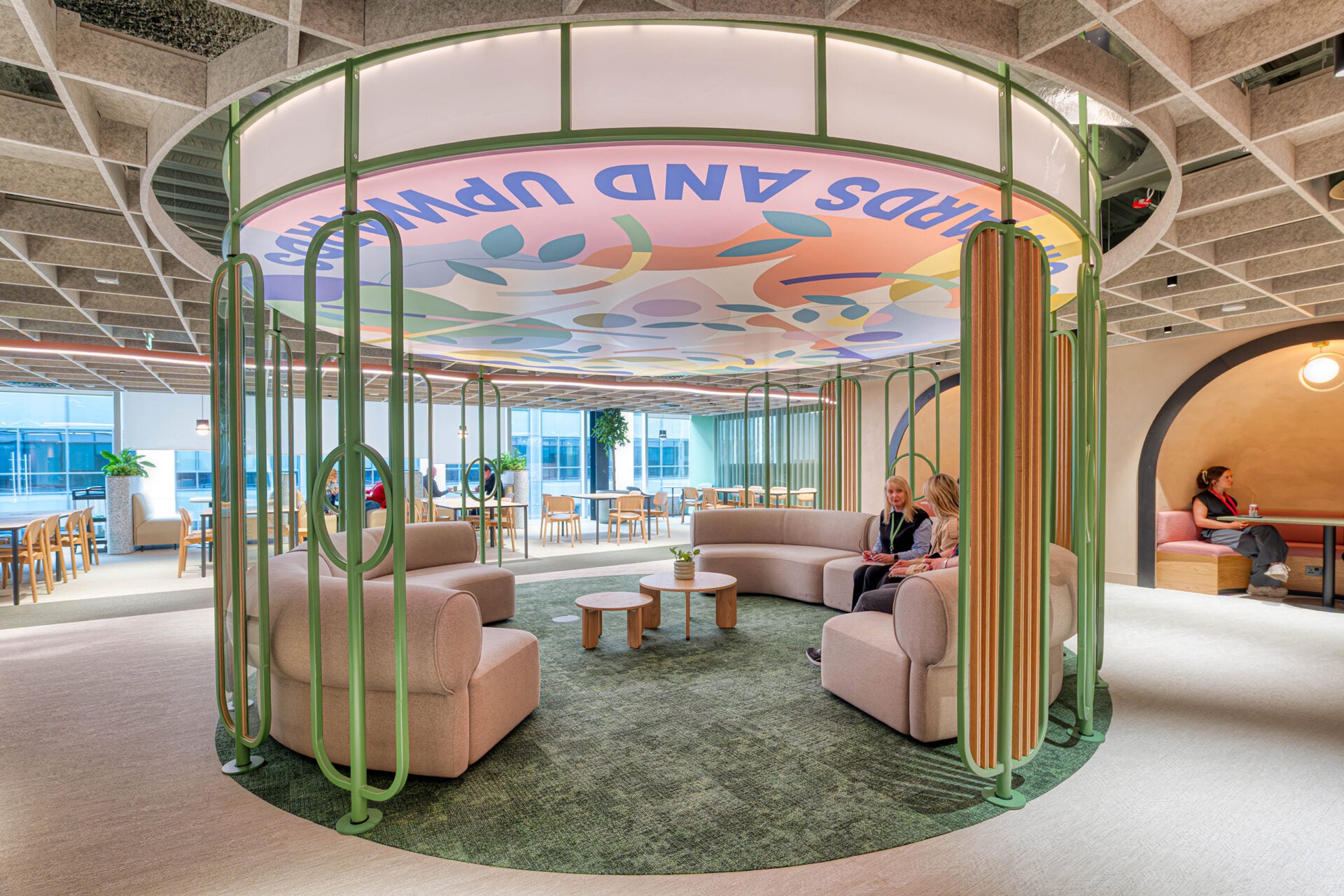
At Tsunami Axis, our Design for Reuse methodology offers a design-led alternative, where existing furniture becomes part of the brief rather than a constraint.
Through early asset assessment and thoughtful design adaptation, retained furniture is integrated into new environments while meeting performance, aesthetic and compliance requirements.
By treating inherited assets as a creative resource, we support a more circular approach to procurement. One that protects investment, adds character and enables more considered workplace strategies.
The result is a design approach that reduces embodied carbon, preserves material value and supports more responsible decision-making.

Thank you to Harsha Kotak and Joanna Knight, founders of the Sustainable Design Collective, for creating a forum that encouraged openness, challenge and collaboration in equal measure.