
April marks Stress Awareness Month, a dedicated time to explore how we can better support mental and physical wellbeing in our daily lives. As many of us spend a significant portion of our week at work, it’s no surprise that the workplace plays a crucial role in how we manage stress. At Tsunami Axis, we believe thoughtful workplace design is key to facilitating healthier, happier, and more productive teams.
How the Workplace Shapes Wellbeing
Our work environment has a powerful influence on our focus, energy, and overall satisfaction. When designed with people in mind, office spaces can promote collaboration, concentration, and comfort. On the other hand, certain design elements may unintentionally create barriers to productivity or wellbeing. By recognising these factors, organisations can make informed changes that lead to more balanced and engaging work experiences.
Understanding how specific design choices impact our day-to-day can help create spaces that actively support wellbeing. Here are a few areas to consider:
Sound and Acoustics
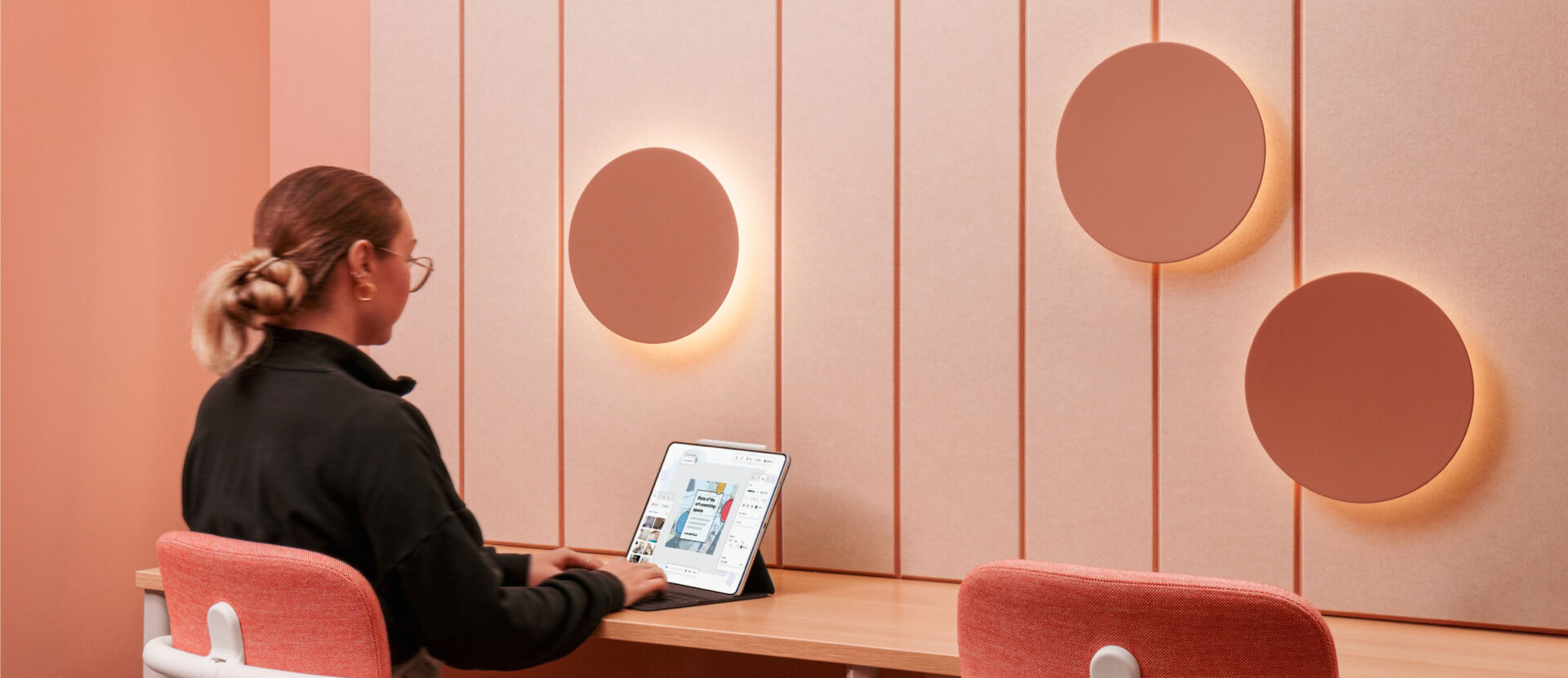
Open-plan offices offer great opportunities for teamwork but can become noisy without proper acoustic solutions. Research by the British Council for Offices (BCO) shows that 70% of employees feel noise increases their stress levels. Thoughtful additions like acoustic panels, quiet zones, and soundproof meeting rooms can help create a more focused atmosphere.

Natural Light and Lighting Design
Lighting has a direct effect on mood, energy levels, and visual comfort. Employees with access to natural light report 56% lower levels of drowsiness and 51% less eye strain (World Green Building Council). Positioning desks near windows, using glass partitions, and installing adjustable lighting can significantly enhance the working environment.

Air Quality and Temperature Control
Comfortable air quality and consistent temperatures make a big difference to how people feel and perform. The Harvard T.H. Chan School of Public Health found that poor ventilation can reduce cognitive function by up to 10%. Air purifiers, effective HVAC systems, and individual climate control options can improve both comfort and concentration.

Ergonomics and Comfort
The right furniture helps prevent discomfort and long-term health issues. Ergonomic chairs, adjustable desks, and supportive monitor setups can reduce physical strain and support better posture, making it easier for teams to stay focused and energised throughout the day.
The Cosm Chair by Herman Miller is a strong example of ergonomic chair, designed to minimise fatigue and stress. Research by Herman Miller found that users of the Cosm Chair showed a statistically lower heart rate variability (HRV) ratio compared to users of a non-adjustable, non-ergonomic chair. A lower HRV indicates reduced stress levels, suggesting users were more relaxed while seated.
Another popular Herman Miller chair, the Mirra 2, combines immediate comfort with personalised ergonomic support. Designed to adapt to the user’s body, it helps reduce physical strain while supporting healthy posture throughout the workday.

Dedicated Spaces for Wellness and Focus
Providing breakout rooms, quiet zones, or wellness areas gives people the chance to recharge, work independently, or reset during a busy day. The Leesman Workplace Index notes that well-designed quiet areas can increase productivity by 15%.

Fun and Social Zones
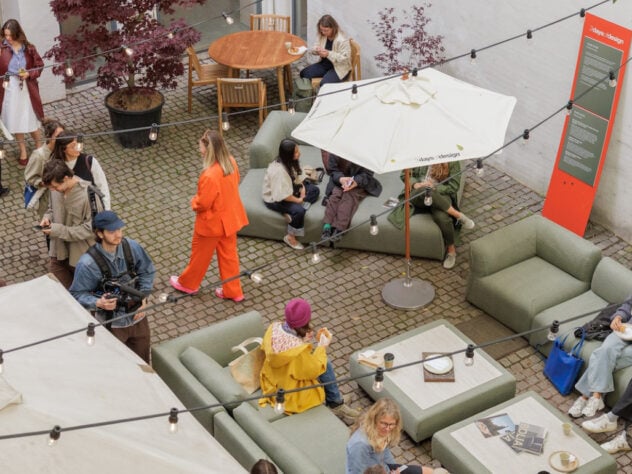
Incorporating fun zones within the office — such as game areas, lounges, or casual social spaces — can offer employees a welcome mental break during the workday. These areas encourage spontaneous connection, creativity, and laughter, which all help reduce stress and promote a more positive work culture. By integrating playful, engaging spaces into the workplace, companies can reinforce the idea that relaxation and enjoyment are valuable parts of a healthy, productive work environment.

Biophilic Design
Incorporating greenery, natural textures, and elements inspired by nature has been shown to boost mood and reduce stress by 37% (Human Spaces Report). Simple additions like indoor plants, natural materials, and outdoor views can make a noticeable impact.

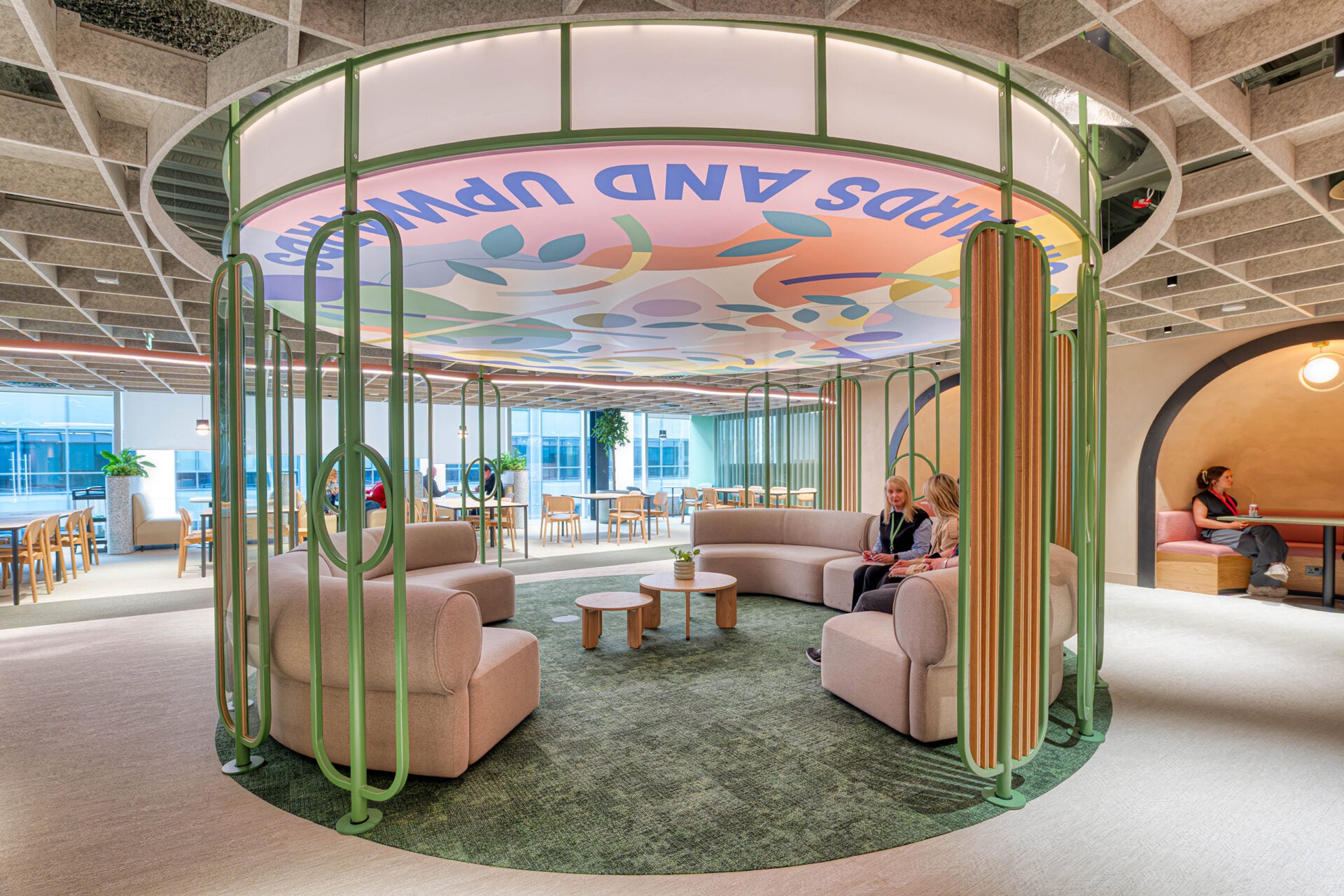
Biophilic design was prioritised in Zurich Insurance Group’s UK headquarters in Swindon (above). The workspace design emphasises light and bright spaces, creating an environment that is not only functional but also uplifting. The incorporation of large trees and planters brings greenery into the workspace, contributing to a sense of calm.
Designing for a Healthier, Happier Team
Workplace design isn’t just about aesthetics; it plays a key role in how people feel and perform. By addressing stress-related factors and prioritising wellbeing, businesses can create environments that inspire, energise, and support their teams.
At Tsunami Axis, we help companies build spaces that work for people – blending function, comfort, and inspiration into every design.
This Stress Awareness Month and beyond, consider how your workplace supports your team’s health and happiness. With the right design choices, it’s possible to create a space where wellbeing and productivity go hand in hand