
Throughout history, LGBTQIA+ designers have reshaped our spaces by rethinking how furniture can feel, function, and reflect identity. From modernist pioneers to today’s bold boundary-pushers, these creatives have challenged convention and left an impact on the world of furniture.
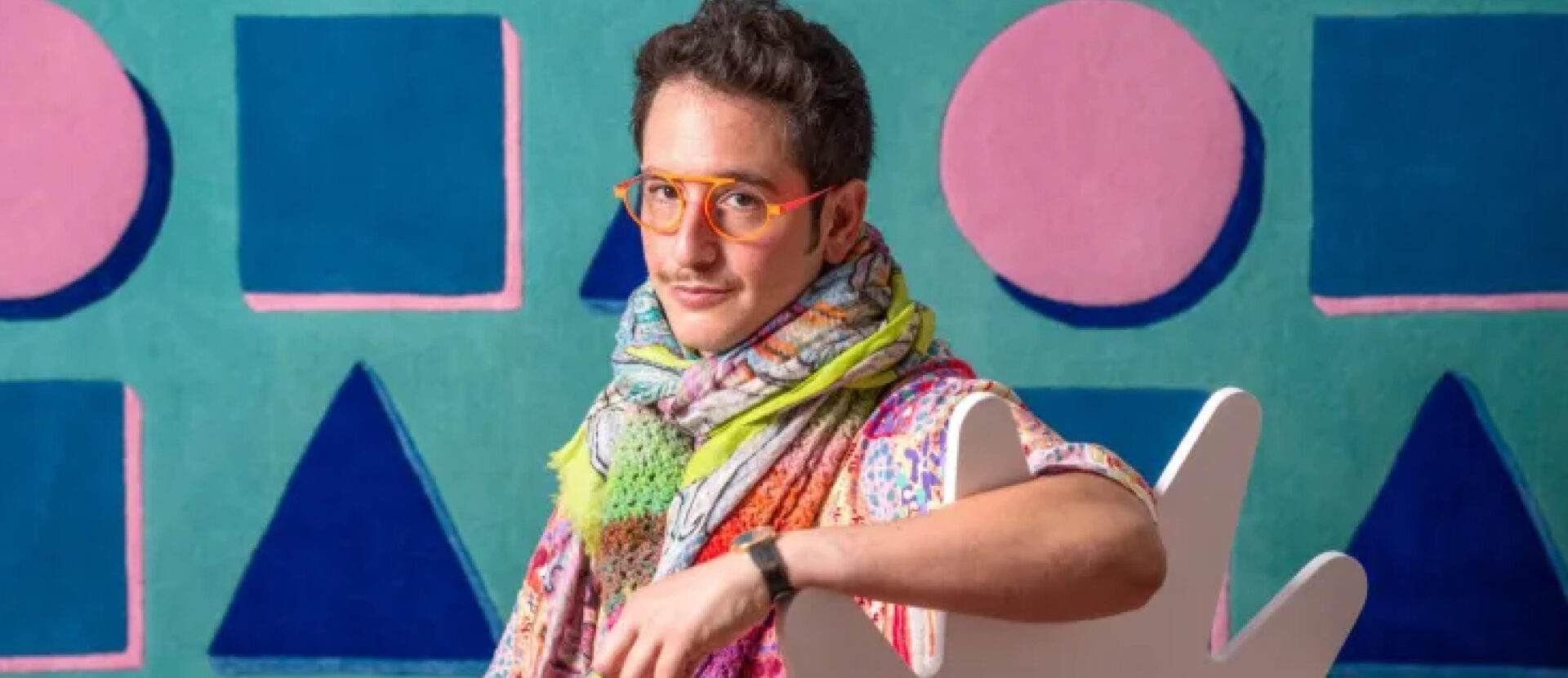
Adam Nathaniel Furman is a leading voice in joyful, queer maximalism. Furman champions colour, ornamentation, and storytelling as tools of visibility and self-expression. Their 2023 collaboration with Gubi, the Scarabesque chair, reimagined the bestselling Beetle chair into a flamboyant, beetle-throned statement — its pearlescent fibreglass shell and exaggerated scale suggesting a new, theatrical context for seating. Furman’s public and commercial installations reject sterile minimalism, offering instead spaces that are vibrant, inclusive, and human.
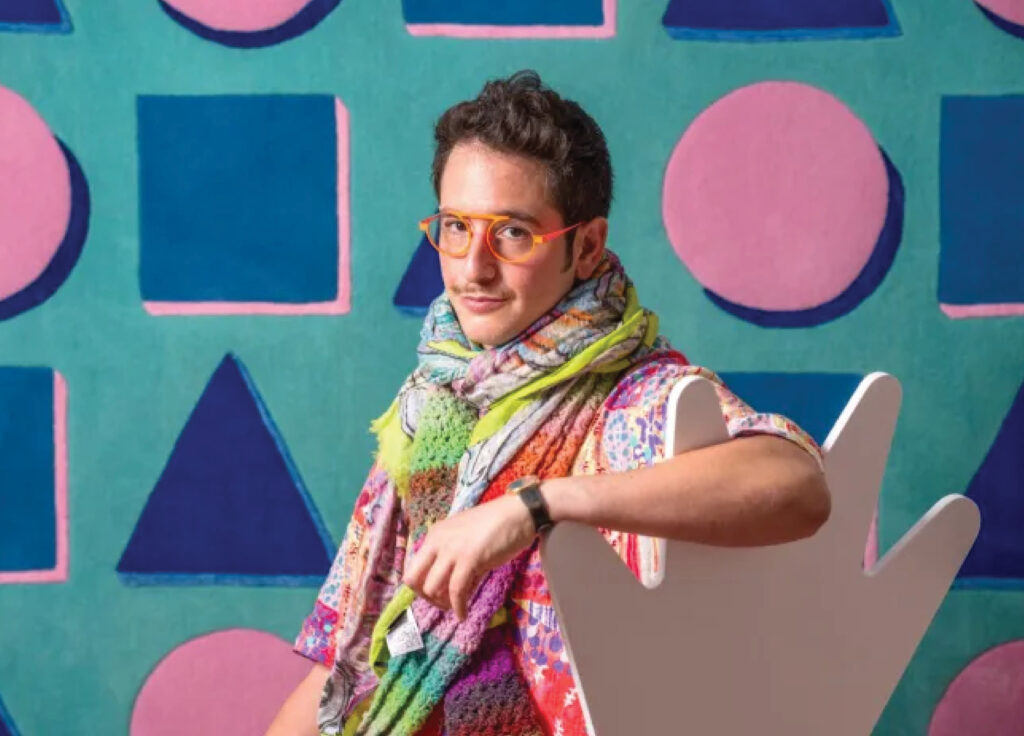
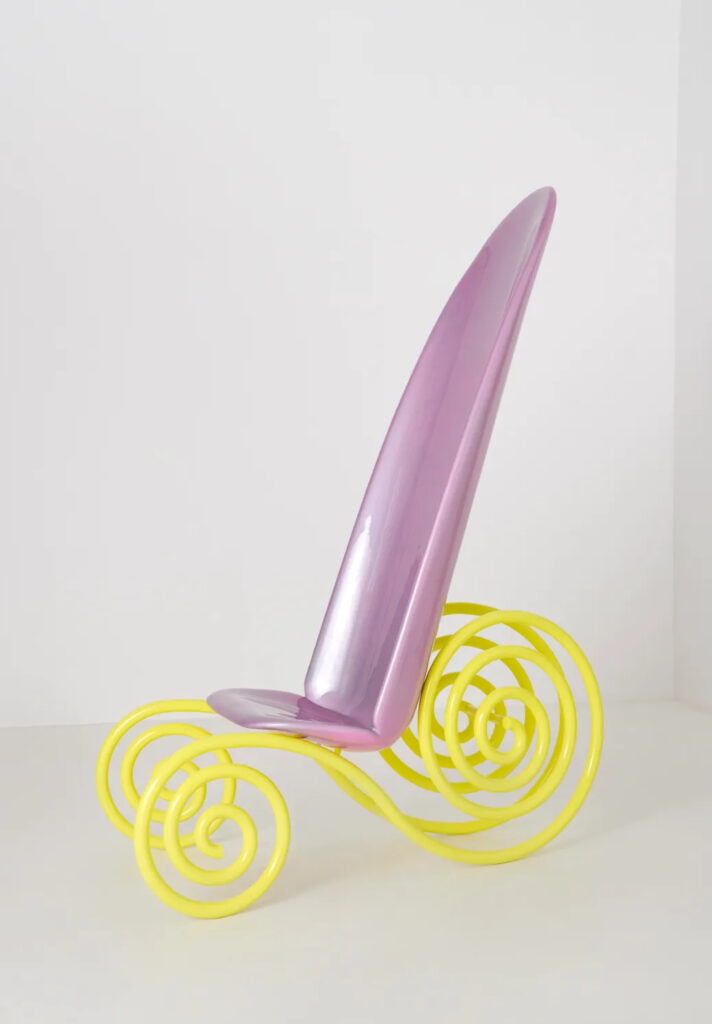
Scarabesque chair for Gubi (right) by Adam Nathaniel Furman. Image credit: cityam.com.
Faye Toogood, meanwhile, bridges the gap between sculpture and furniture. Her Roly-Poly Chair, equal parts playful and powerful, blends raw materials with emotional resonance. Pieces like her bulbous Gummy Sofa, introduced in 2023, further explore comfort as form, challenging the rigidity of traditional upholstery with soft, sculptural silhouettes. Toogood’s work, often featured in gallery and hospitality environments, invites tactile curiosity and a sense of groundedness that encourages commercial design to embrace both feeling and function.
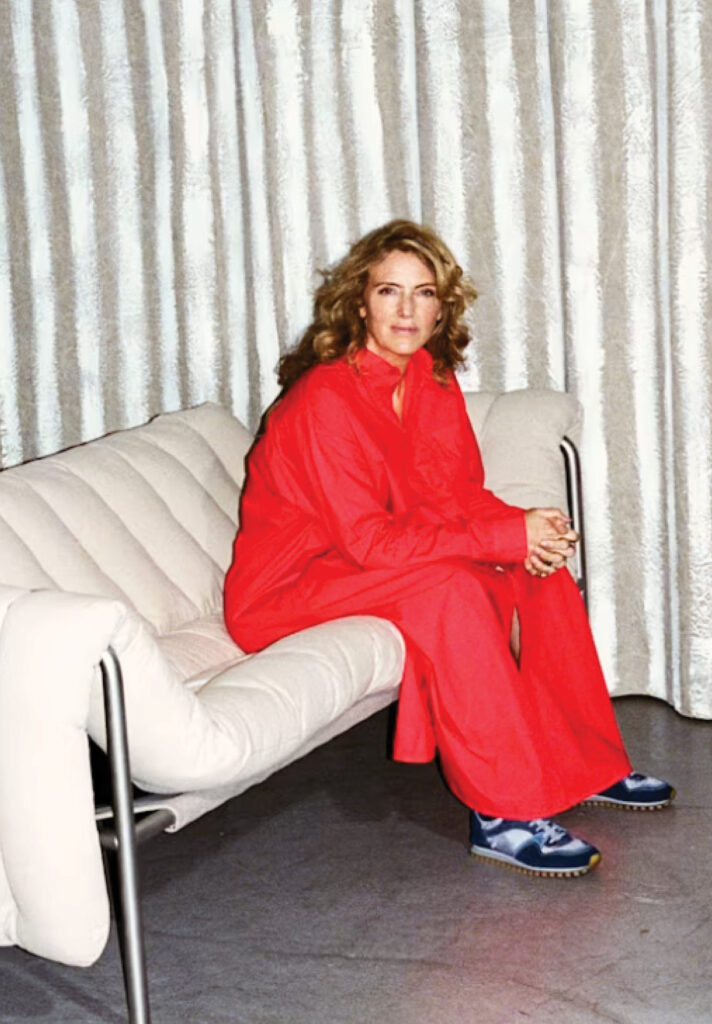
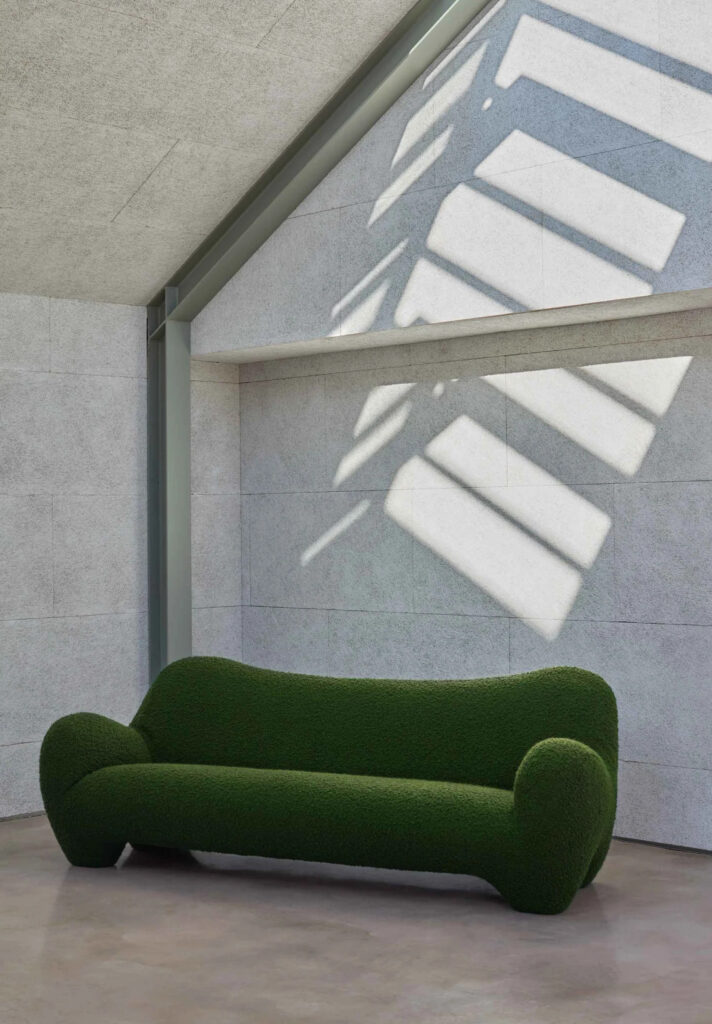
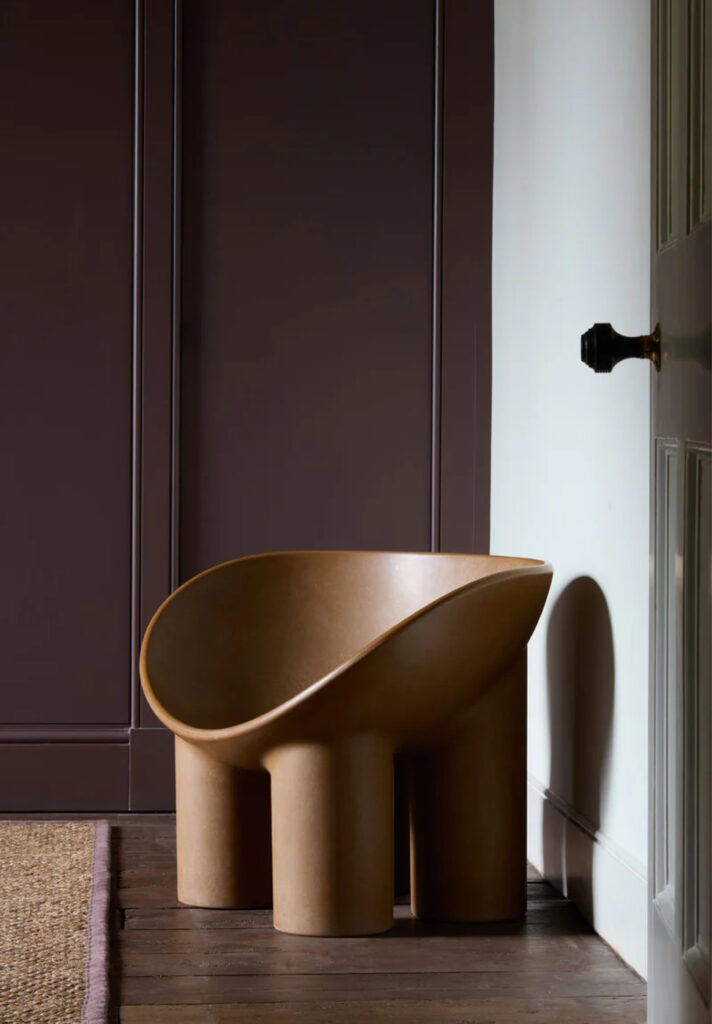
Gummy Sofa (centre) and Roly-Poly Chair (right) by Faye Toogood.
Long before “user-centred design” entered our vocabulary, Eileen Gray was already leading the way. The Irish-born, Paris-based designer operated within the male-dominated modernist movement, yet carved her own path and placed comfort, adaptability, and emotion at the core of her work. Her now-iconic E-1027 side table wasn’t just functional — it was a radical act of ergonomic care, fully adjustable to support the user’s movements and needs. By prioritising comfort and adaptability over the rigidity of early modernist design, it remains an iconic piece in homes and workspaces today. Her open queerness and unconventional career path made her a quiet revolutionary in both life and practice.
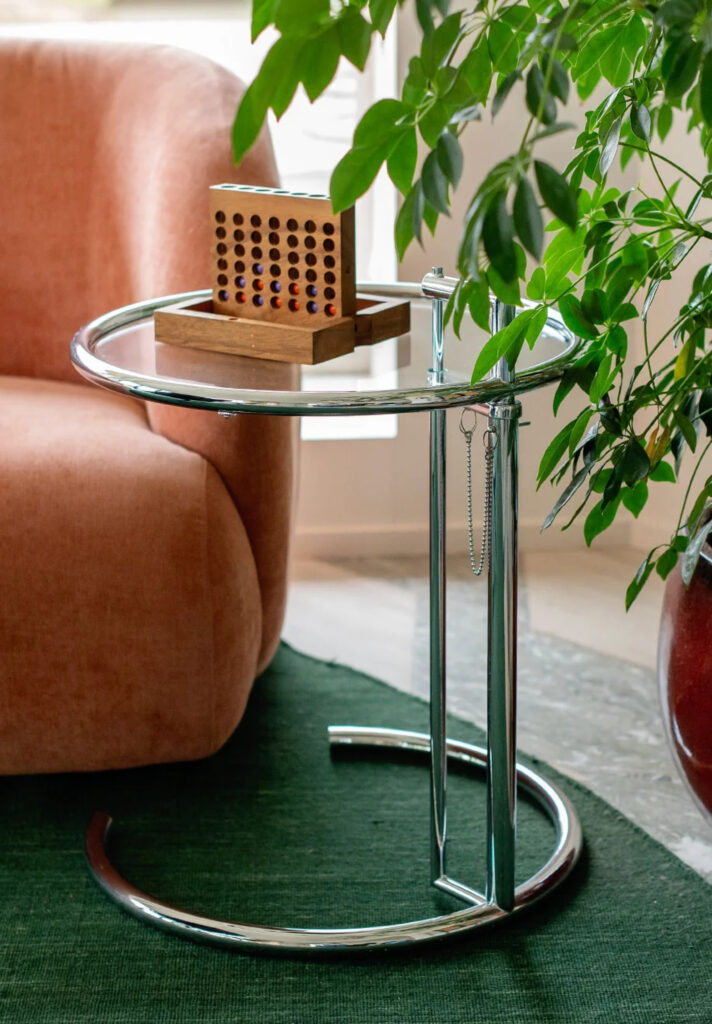
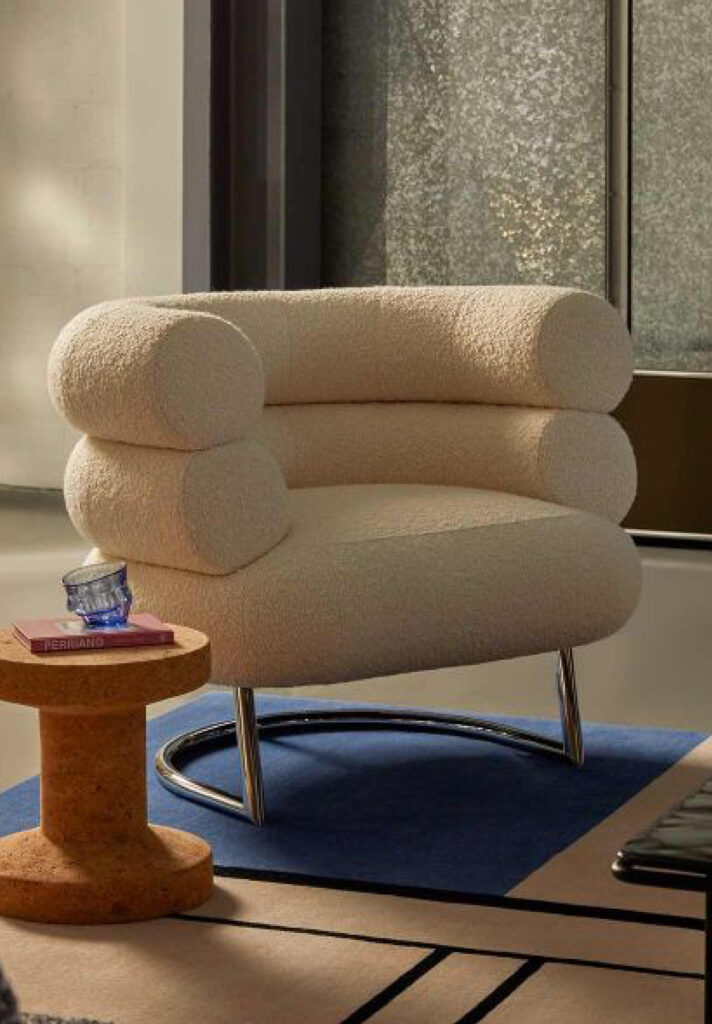
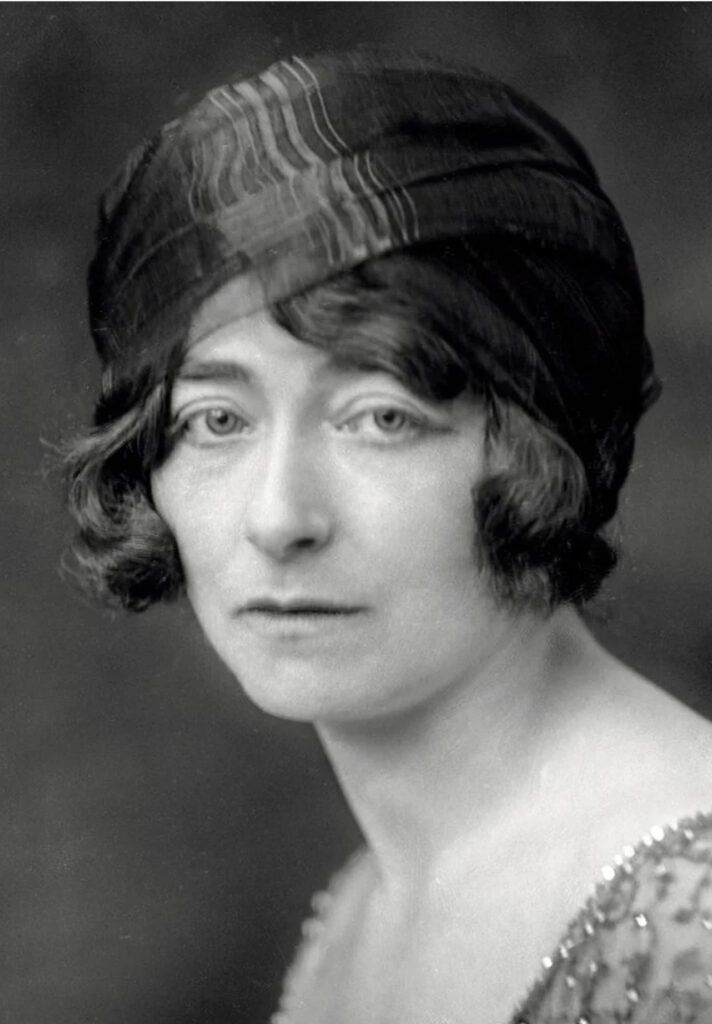
E-1027 side table (left) and Bibendum chair (centre) by Eileen Gray. Image credit: Limobel.
Rewinding to the early 20th century, Elsie de Wolfe was a pioneer who revolutionised interiors and is widely regarded as the world’s first professional interior designer. Rejecting the dark, heavy styles of the Victorian era, she brought lightness, optimism, and femininity into spaces using pastel palettes, chintz, and comfort. Her open relationship with Elisabeth Marbury and her bold professional choices both defied the conventions of her time, laying the groundwork for today’s wellness-focused, hospitality-led environments.
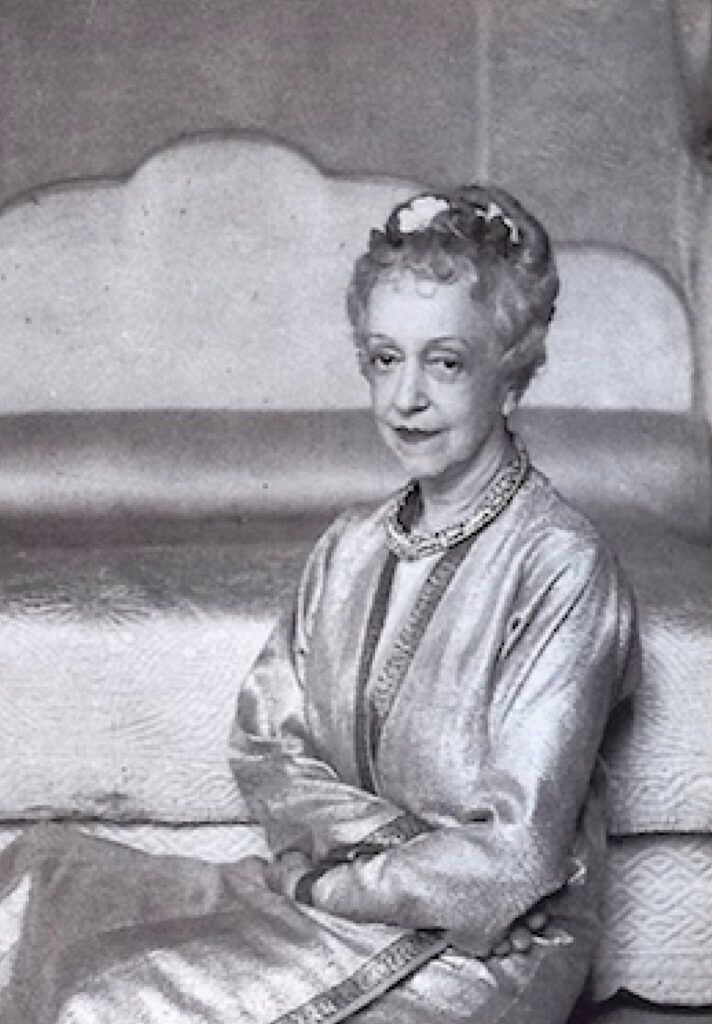
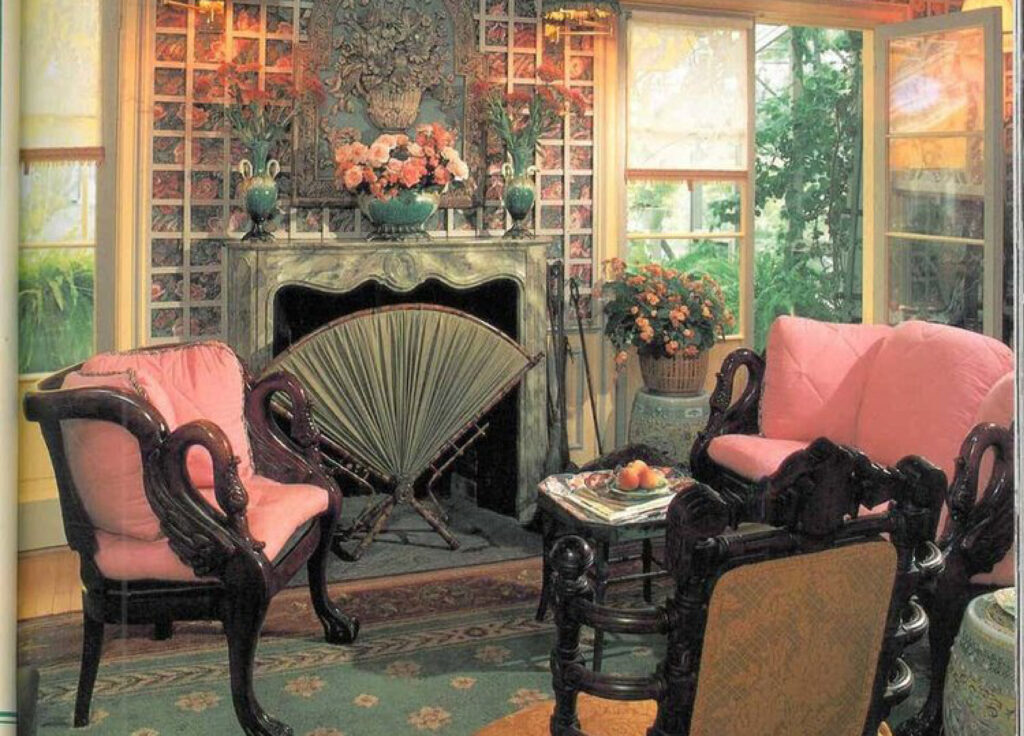
Image credit: Interiors & Icons.
Lastly, Sophie Collé is a queer French designer whose work celebrates colour, playfulness, and the power of not taking design too seriously. Her wiggly, hand-crafted furniture and sculptural pieces subvert the rigidity of modern interiors. Collé’s approach centres emotional expression and accessibility, making her pieces particularly resonant in creative, hospitality, and hybrid workspaces that crave individuality.
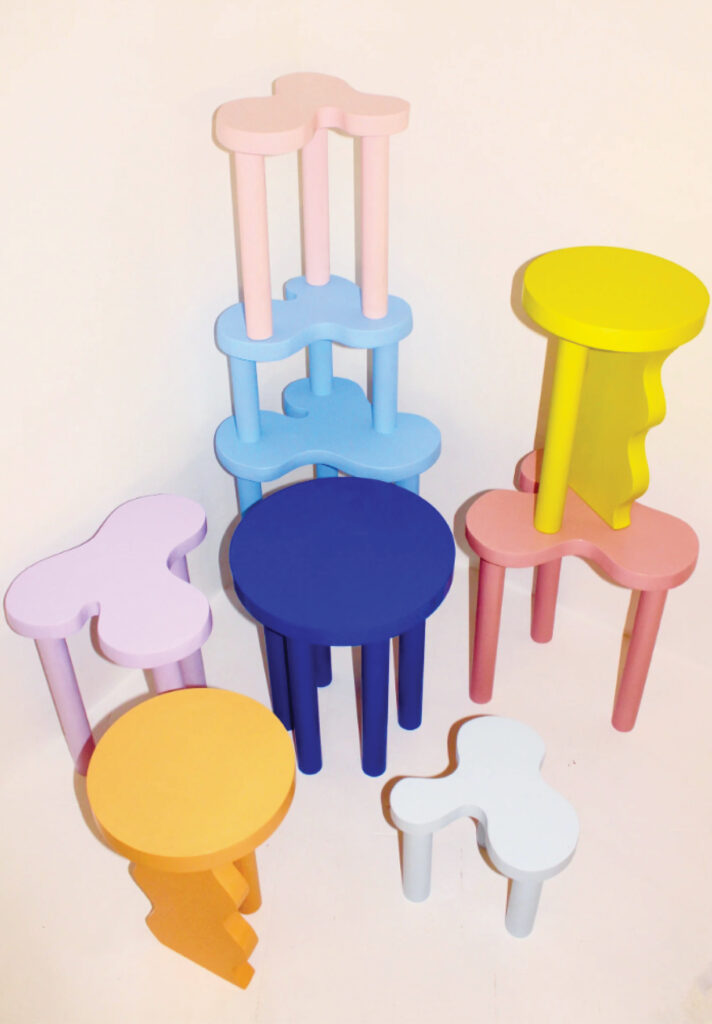

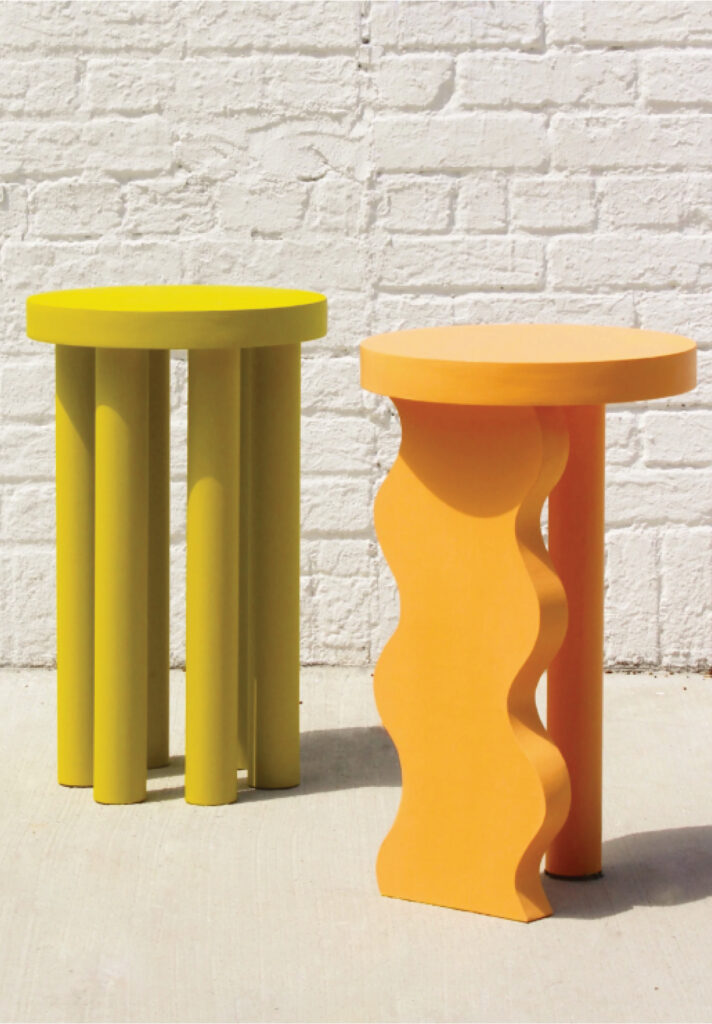
Plant Stands (left) and Pasta Stool (right) by Sophie Collé. Image credit: sophiecolledesign.com, domino.com.
This Pride Month, we celebrate the progress made and continue to champion a design industry where everyone, regardless of identity, has the freedom to create, lead, and belong.