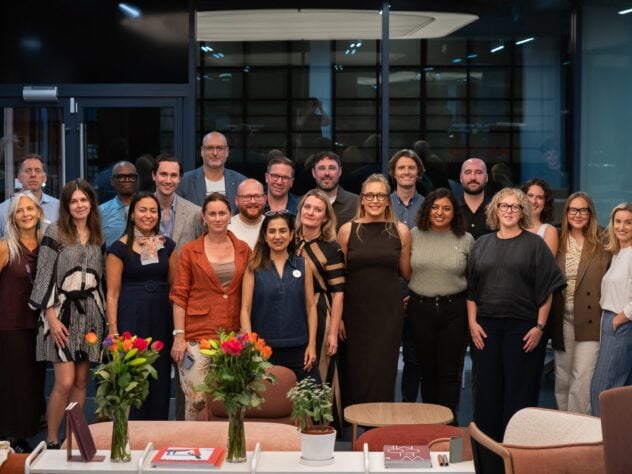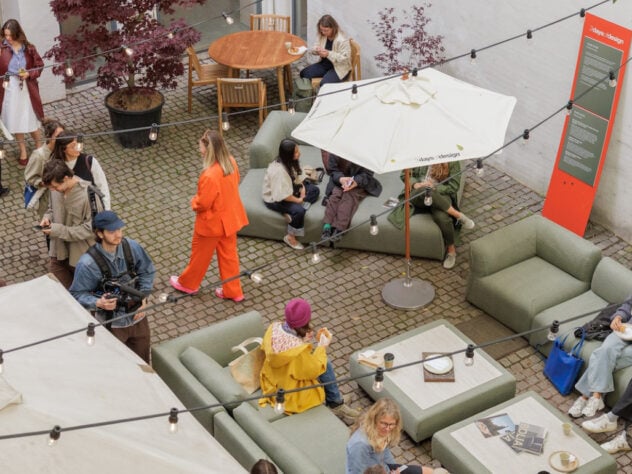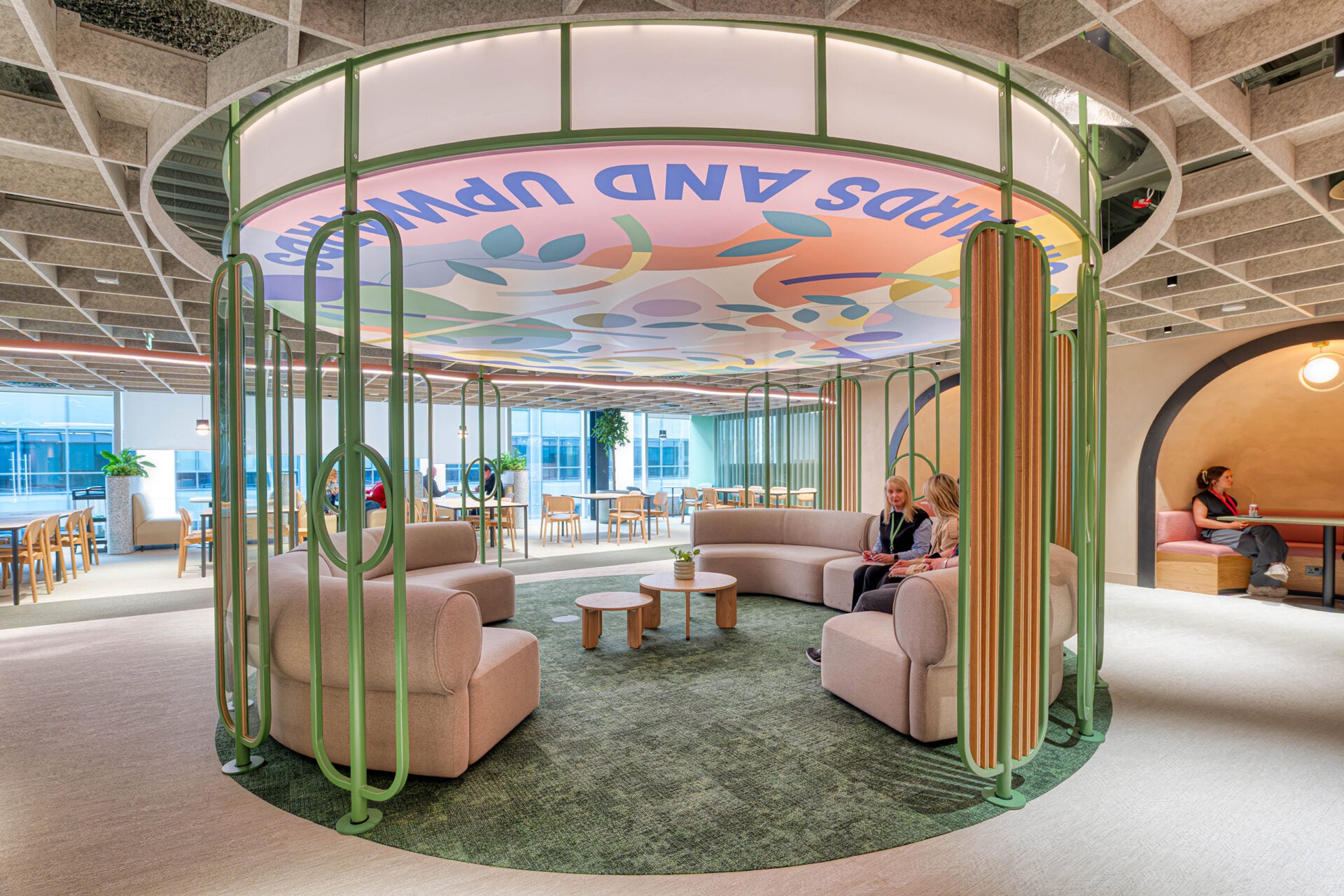

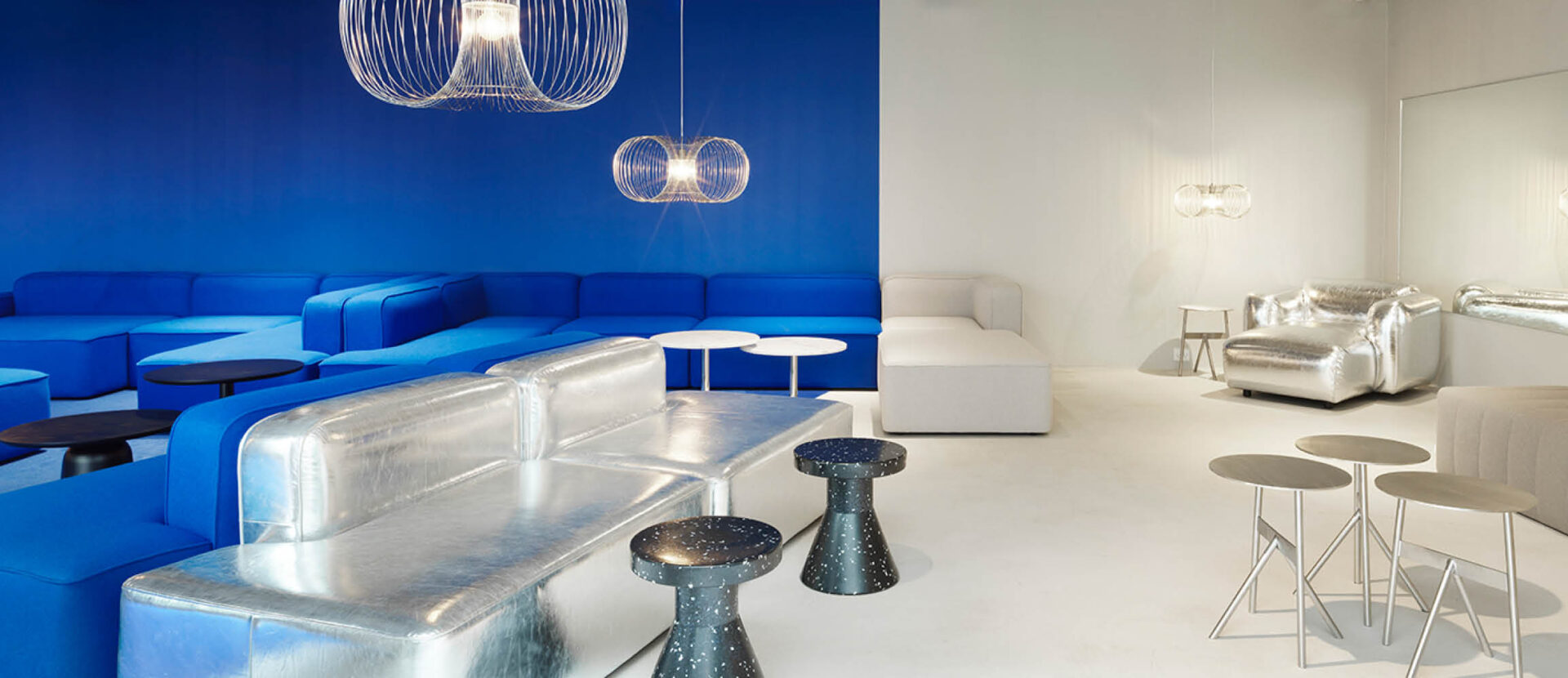
This year’s 3daysofdesign theme, Keep It Real, was a call to prioritise authenticity over aesthetics and substance over surface. It encouraged the design world to stay human, original, and honest in both process and expression. Members of the Tsunami Axis team travelled to Copenhagen to experience it first-hand, and these are the insights they brought back with them.
Reflections in Nature to Celebrating Craftsmanship with Lucy Robertson, Sales Manager
Muuto’s Grounded in Nature installation featured polished steel benches that reflected the surrounding nature, sky, and the viewer’s own image. This encouraged a moment of reflection — both on the environment and ourselves — echoing WGSN’s insight into our cultural fixation on self-image. The theme of reflection continued throughout, expressed in metallic finishes, retro touches, and contrasting tones that invited quiet escapism.
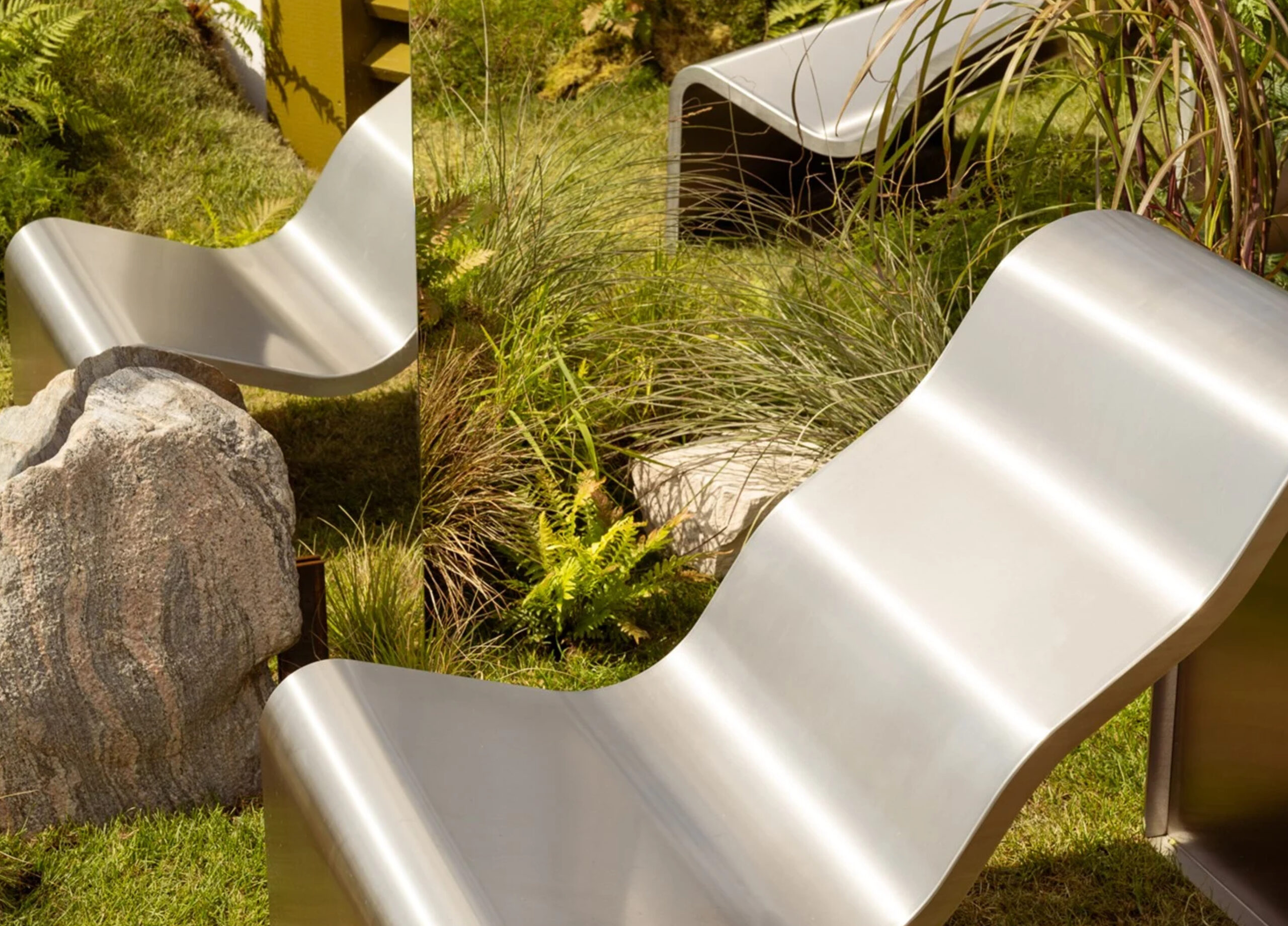
“Reflective surfaces dominated the conversation, followed by accessorised, detail-driven spaces and a nod to craftsmanship.”
I also noticed a shift in styling. HAY and Normann Copenhagen embraced accessories, curating spaces with a 360-degree view. It felt like a more thoughtful, economical approach where every detail was intentional, and every object played a part in a layered, lived-in story.
Celebrating craftsmanship also stuck with me. At Carl Hansen & Søn, we tried the woodworking tools ourselves and were genuinely amazed by the skill and effort behind each piece — something that’s easy to overlook. It was a powerful reminder of the human touch in furniture making and the importance of preserving these skills today.
Heritage Pieces with Ben Dunn, Designer
A trend I picked up on was the way brands are reintroducing heritage designs. An example is Fritz Hansen’s PK23 chair, bringing to life Poul Kjærholm’s designs from 1954. The reissued chair felt right at home alongside new collections, showing how timeless design still holds relevance today. Sometimes all it takes is a subtle update, a new material, or a story that connects the past and present.
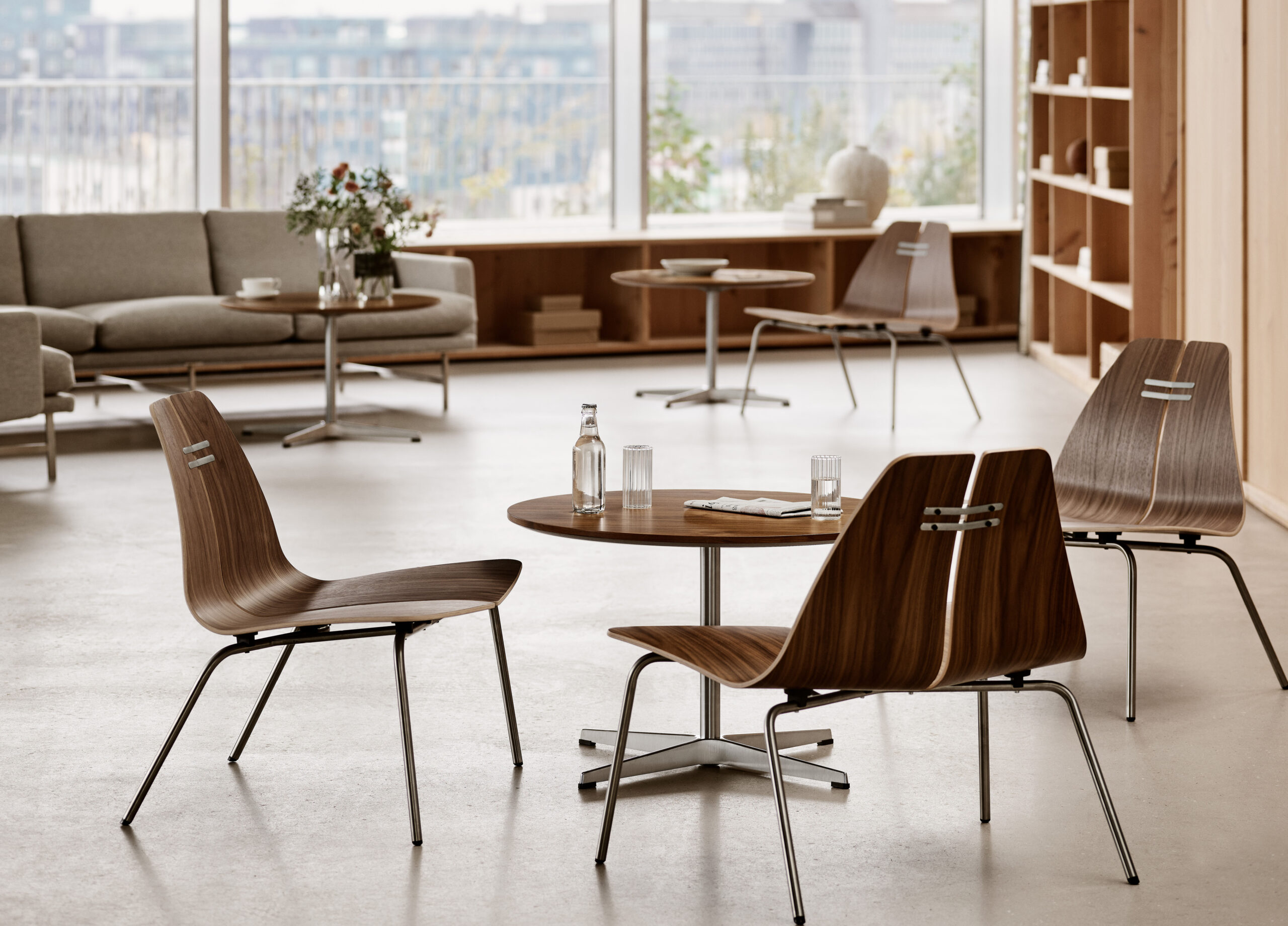
“Brands are leaning into heritage pieces, giving them a fresh spin with contemporary relevance.”
It’s a refreshing shift from the constant pursuit of novelty, which leans into a sustainability angle too. Instead of pushing out endless new launches, brands are celebrating designs that last, encouraging people to invest in pieces they’ll treasure for decades.
This was my first time at 3daysofdesign, and while there were plenty of standout moments, what also resonated with me was experiencing products in traditional Danish townhouse settings. Showrooms like &Tradition and Audo Copenhagen brought the Scandinavian home aesthetic to life through their styling and curation. Getting hands-on with the pieces, feeling the materials, and seeing the craftsmanship up close added a whole new level of appreciation.
Nature’s Influence with Arianna Goldsborough, Senior Designer
I noticed a big push on florals and natural influences this year – a subtle nod to our growing awareness of our environment and conscious design choices. When designing client spaces, we’re placing greater focus on wellbeing to create peaceful, harmonious spaces where nature’s influence plays a key role.
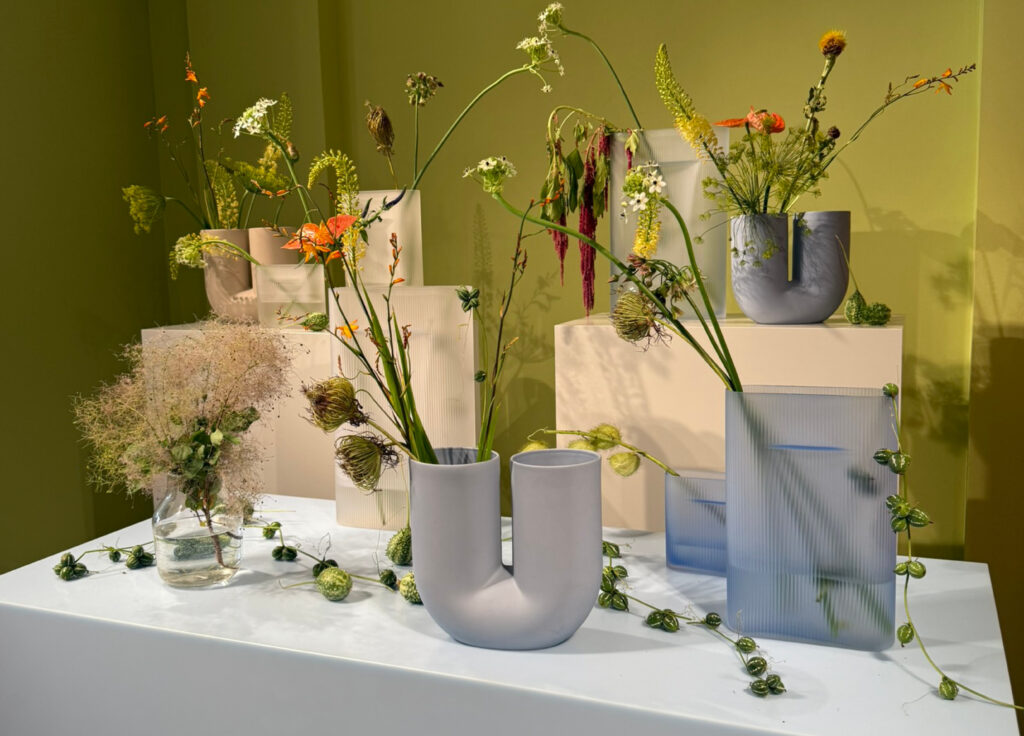
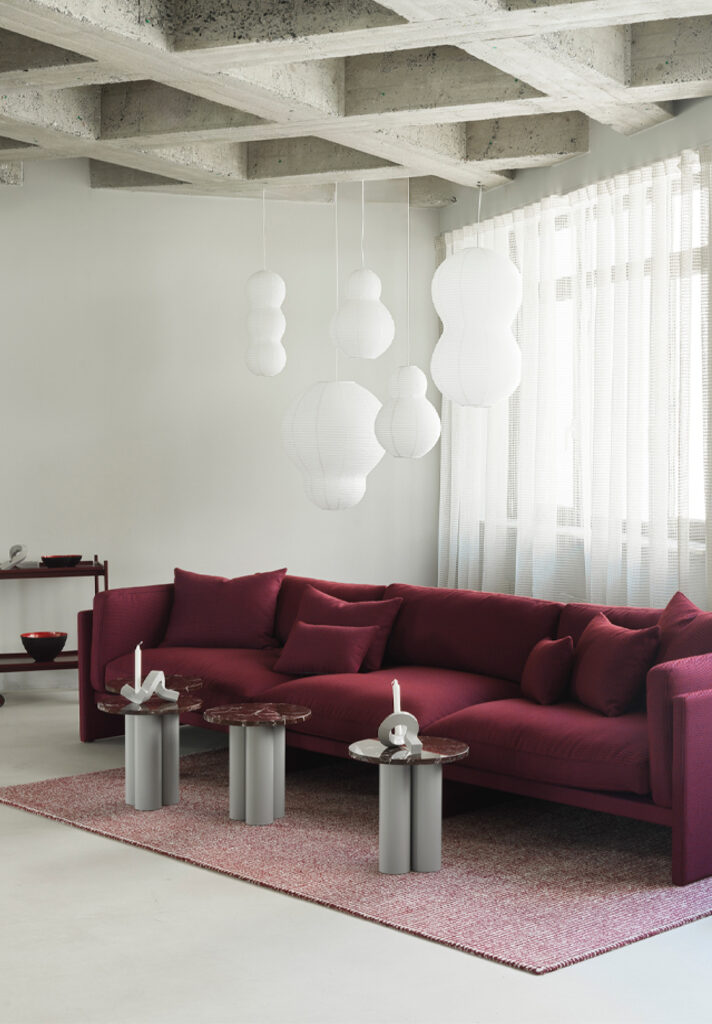
“Nature, florals, and bold colour made a confident statement, echoing awareness of our natural environment.”
Another trend I picked up on is the use of aubergine. A personal favourite, its rich, deep tone brings elegance and quiet sophistication while adding a bold, contemporary edge to furniture pieces. This luxurious purple hue appeared across upholstery, marble surfaces, statement chairs and accent pieces.
A particular furniture highlight was the Aarhus sofa by ARDE for BoConcept. Visually striking and thoughtfully designed, it perfectly reflects what we look for in modern reception or collaborative spaces — clean lines, a comfortable sit, and an inviting presence. Designed by a Danish designer with flexibility and sustainability in mind, every part of the sofa is replaceable, helping extend its lifespan and reduce waste. With a range of configurations, it easily adapts to a variety of spaces, whether it’s a relaxed breakout area or a refined welcome zone.
A Foamless Future with James Martin, Senior Consultant
Brands like +Halle and HAY led the way with armchairs, lounges, and dining chairs built from metal frames and wrapped in mesh or sustainable fabrics. These designs offer comfort without compromising on sustainability — echoing the ergonomics of task chairs, but reimagined for more relaxed, social settings.
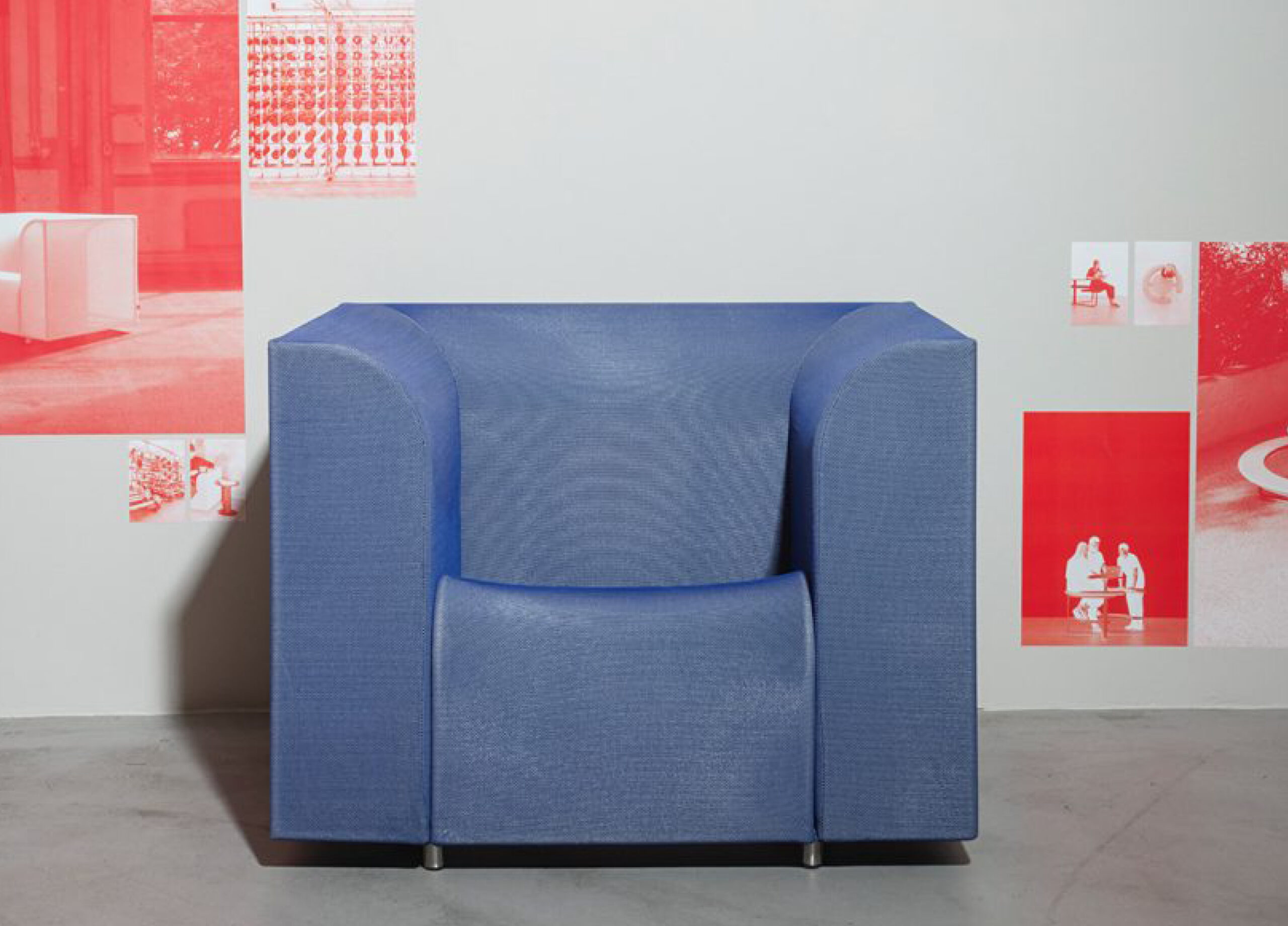
“There was a clear shift toward foamless seating, reflecting another step forward in sustainable design.”
+Halle’s Shrink Lounge Chair stood out for its minimal component structure and fully foam-free build, signalling a move toward more circular, efficient manufacturing. HAY’s new O2 Lounge Chair designed by Jonas Forsman followed suit, using a steel frame and form-fitting fabric that requires only a light layer of foam. Both pieces challenge traditional upholstery norms while keeping comfort front and centre.
As Normann Copenhagen put it, “We’re beyond the point where sustainable means more expensive. This is the new norm, and it’s more affordable.” That mindset will resonate strongly with clients who want to make responsible choices without sacrificing aesthetics or budget.
We’re also seeing a clear desire to elevate the workplace by dressing the space more intentionally. It’s no longer just about function; it’s about creating environments that feel as inviting and thoughtfully designed as a hotel or a home. And across the industry, we’re responding.
Natural Materials with Sophie Mattacks, Corporate Account Manager
A strong theme at 3daysofdesign was the focus on natural materials, from stone and marble to solid wood and even paper-based composites. These timeless elements signal a conscious move away from synthetic alternatives in favour of designs that are both sustainable and built to last. Many collections used these materials to blur the boundary between indoors and out, helping create spaces that feel warm, grounded, and connected to nature.
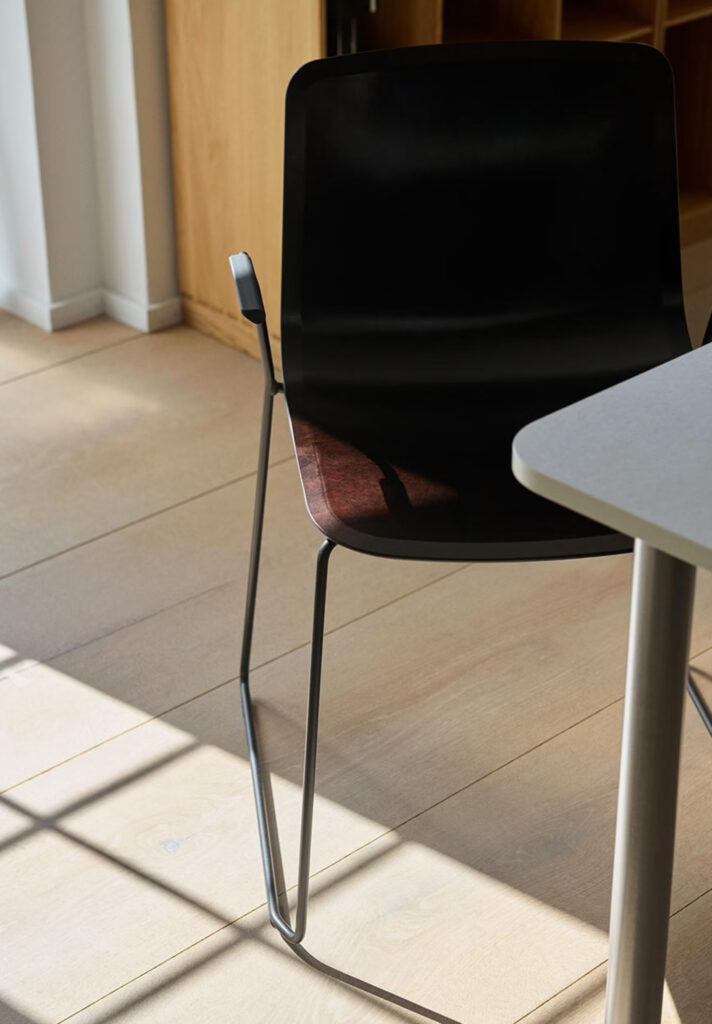

Frederica’s Pato Paper Chair made from PaperShell
“Suppliers emphasised the use of natural materials such as marble, solid wood and even paper.”
A personal highlight was Fredericia’s Pato Paper Chair. Made from PaperShell — a fossil-free, fully bio-based cellulose composite moulded in Sweden — it’s a stackable chair that delivers both aesthetic and environmental value. The premium look and feel are impressive, but what truly stood out was the thinking behind it. Crafted from 32 layers of FSC-certified kraft paper, the chair can end its life as biochar — locking in carbon, enriching soil, and supporting a potentially carbon-negative lifecycle.
It’s a thoughtful, elegant response to the challenges of sustainability and a strong example of how materials can tell a meaningful story.
Keeping it Real
3daysofdesign reminded us that true innovation happens when design is grounded in authenticity and humanity. By embracing natural, sustainable materials and thoughtful craftsmanship, brands are creating pieces that not only respect the environment but also help the spaces they inhabit support people who live and work within them.